TL;DR :
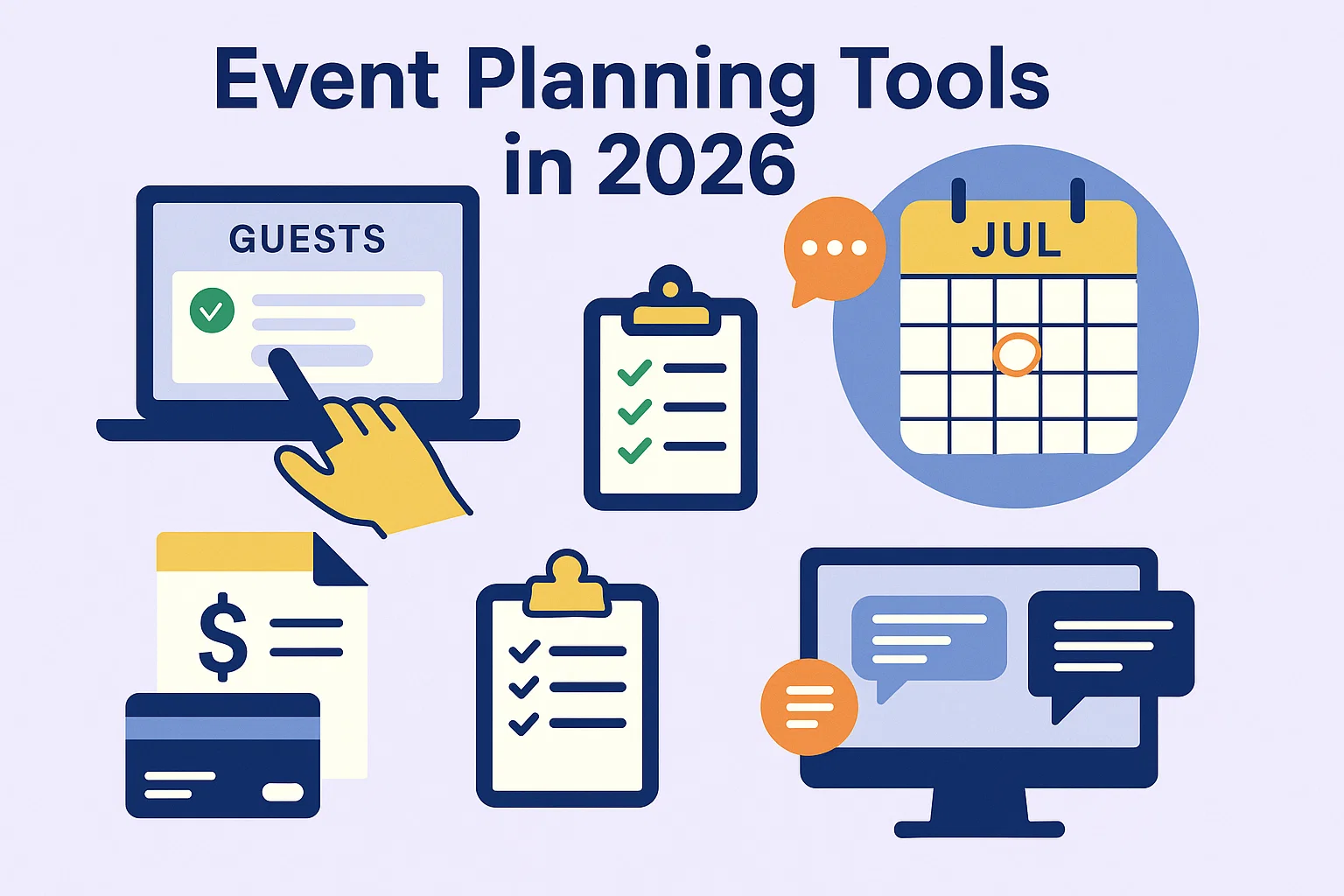
- Event Planning Tools help hosts manage guests, payments, forms, and schedules in one place.
- Older tools force planners to juggle multiple systems that slow everything down.
- The right tool should offer payment plans, automated reminders, and real time communication.
- In 2026, hosts need software that feels simple but covers the full planning experience.
- SquadTrip remains one of the strongest options for retreats, workshops, and multi day events.
- Other tools like WeTravel, Tryp, and BookRetreats are helpful in certain situations but lack the full workflow control many hosts want.
Introduction
Event Planning Tools have become essential for hosts who want smooth planning, clear communication, and better guest management. In 2026, the expectations from event participants are higher. They want simple booking pages, quick payment options, real time updates, clean itineraries, and a stress free experience from the moment they sign up.
This guide explains the top tools you should consider in 2026, what features matter most, how to pick the right platform for your type of event, and where each tool fits best.
You will also see why hosts are moving toward all in one platforms that reduce manual work and create a more organized workflow from start to finish.
Why Event Planning Tools Matter in 2026
– Planning an event today is more complex than it was a few years ago. More people join events remotely, payment expectations have changed, and guests want updates instantly.
– Good event planning tools solve this by keeping everything inside one dashboard.
– You manage RSVPs, track bookings, create itineraries , collect forms , and share updates without switching between apps. This reduces confusion and saves hours of unnecessary work.
– Hosts no longer want spreadsheets, WhatsApp chats, and manual payment tracking scattered across different places. One missing update can break the entire workflow.
– A dedicated platform fixes this.
What to Look For in Event Planning Tools
Before choosing a tool, focus on the features that impact your workflow the most.
1. Easy Booking and Payment Collection
Guests should be able to sign up quickly. Look for clean booking pages, multiple payment options, and the ability to set payment plans.
2. Automated Reminders
Manual follow ups take time. Payment reminders, deadline alerts, and schedule updates should be automatic.
3. Customizable Itineraries
Events run better when guests know the plan. Make sure the tool allows clear itinerary pages that are easy to update.
4. Rooming and Accommodation Tools
Retreats and multi day events need room assignments. Not every tool offers this, so check before choosing a platform.
5. Guest Communication
You should be able to send updates without switching to another app. A central communication tool saves time and prevents missed details.
6. Forms and Document Collection
Waivers, ID uploads, questionnaires, and travel details should be collected inside the platform.
7. Mobile Friendly Experience
Most guests complete bookings and check updates on their phones. The tool should work well on mobile.
Top Event Planning Tools for 2026
Below is a clear breakdown of the strongest tools based on features, use cases, and common event types.
1. SquadTrip
SquadTrip is one of the best all in one Event Planning Tools for retreats, workshops, and multi day experiences. Hosts prefer it because it removes messy spreadsheets and scattered communication.
Key Features
- Clean booking pages with flexible payment plans
- Automated reminders for payments and deadlines
- Built in itineraries for daily schedules
- Rooming tools for shared and private accommodations
- Document and form collection
- Guest messaging inside the dashboard
- A simple and modern interface that feels easy for hosts and guests
Best For
Retreats, workshops, fitness camps, wellness events, group trips, and any event with multiple days or multiple payments.
SquadTrip gives hosts full control without needing extra tools.
2. WeTravel
WeTravel is known for its strong financial features, which is why many travel companies use it as their main payment system. It was built for operators who run tours, retreats, or programs that involve multiple vendors and frequent payouts. The platform makes it easy to collect money, manage installments, and handle supplier payments without juggling spreadsheets or bank transfers.
WeTravel does not try to be a full event management tool. Instead, it focuses on financial workflows. If most of your planning happens outside the platform and you mainly need a reliable payment and payout system, WeTravel fits well.
Key Features
- Payment collection with credit cards and bank transfers
- Installment plans and payment tracking
- Vendor payouts through the platform
- Financial dashboards that keep everything organized
Best For
Hosts and operators who care most about finance, billing, and vendor payments rather than itinerary or guest management tools.
3. Tryp
Tryp is designed for multi day experiences and adventure style trips. It performs best for organizers who want strong trip building tools but do not need deeper event management features like rooming, forms, or detailed guest dashboards. Tryp helps you build a trip visually, outline your schedule, and present it in a clean, easy to understand format for potential guests.
It works well for creators, travel brands, or hosts who want a simple interface to showcase their trip without carrying the weight of a large platform.
Key Features
- Visual trip builder that helps you lay out the experience
- Payment collection for bookings
- Guest list and team member management
- Clean schedule layout for multi day trips
Best For
Hosts who create travel experiences that need strong itinerary presentation but do not require advanced operational tools.
4. BookRetreats
BookRetreats works as a marketplace that promotes yoga retreats, wellness events, and holistic travel experiences. It gives your retreat instant visibility by placing it in front of thousands of people searching for these types of events. This can help you find new participants without heavy marketing.
The trade off is control. Since it is a marketplace, your event is shown beside many others. Guests compare options quickly, which can lower conversions if your retreat does not stand out.
Key Features
- Marketplace listings with high organic search traffic
- Customer reviews that help build trust
- Basic booking features
- Messaging tools for guest communication
Best For
Retreat hosts who want visibility and new leads, especially yoga and wellness instructors who do not mind sharing space with competitors.
5. Retreat Guru
Retreat Guru is another marketplace that focuses on mindful travel, spiritual events, and yoga retreats. It helps hosts reach a niche audience that is already looking for guided wellness experiences. Like BookRetreats, the platform makes it easy to list your retreat, accept bookings, and maintain visibility.
However, it offers limited customization, and your retreat will appear alongside similar experiences.
Key Features
- Marketplace access to a mindful travel audience
- Basic registration and booking tools
- Review system for trust building
- Listing templates for quick setup
Best For
Instructors and wellness practitioners who want a simple listing platform without needing advanced planning features.
6. Cvent
Cvent is built for corporate events and complex conferences. It has tools for registration, venue selection, vendor coordination, and large scale workflows. The platform handles thousands of attendees and offers structured processes that support teams working together.
Cvent is powerful but not lightweight. It can feel overwhelming if you are planning smaller retreats, workshops, or community events.
Key Features
- Corporate registration systems
- Vendor and venue management tools
- Badge creation and check in flows
- Reporting for large teams and organizations
Best For
Enterprises, corporate planners, and conference organizers who need advanced control and multiple backend features.
7. Eventbrite
Eventbrite is one of the most popular tools for ticketed events. It shines in situations where a host needs a fast and simple setup. You can create an event, sell tickets, and start promoting in minutes without any learning curve.
Eventbrite is strong for concerts, seminars, parties, and one day workshops. It is not designed for multi day retreats or events with rooming and forms.
Key Features
- Ticket sales with instant setup
- Event promotion through Eventbrite’s discovery system
- Simple check in tools
- Basic communication features
Best For
Hosts running single day events, ticketed events, and sessions that do not require deep planning tools.
Event Planning Tools : How to Pick the Right One
Picking the right Event Planning Tools depends on the type of event you run. Here is a simple breakdown to guide your decision.
1. For Retreats and Multi Day Events
Choose SquadTrip. It gives you booking pages, payment plans, itineraries, rooming, forms, and communication in one place.
2. For Travel Operators Who Need Financial Tools
Choose WeTravel.
3. For Large Corporate Events
Choose Cvent.
4. For One Day Ticket Based Events
Choose Eventbrite.
5. For Yoga and Wellness Listings
Choose BookRetreats or Retreat Guru.
6. For Creative Travel Experiences
Choose Tryp.
Common Mistakes Hosts Make When Choosing Event Planning Tools
Many hosts choose a tool too quickly without thinking about long term workflow needs. Here are mistakes to avoid.
1. Choosing a Marketplace Without Realizing Limitations
Listing your retreat beside hundreds of similar ones can reduce sign ups.
2. Picking a Tool That Does Not Support Payment Plans
Payment plans increase conversions. Skipping this feature can reduce sales.
3. Managing Itineraries in Separate Documents
This creates confusion for guests and slows communication.
4. Forgetting Rooming Tools
If your event includes shared rooms, you need a platform that supports assignments.
5. Using Too Many Apps
Mixing spreadsheets, WhatsApp, Google Forms, and payment apps creates errors that are hard to fix.
Final Thoughts
Event Planning Tools in 2026 are not just nice to have. They determine how professional your event feels and how stress free your workflow becomes. You should pick a tool that covers booking, payments, schedules, rooming, and communication without forcing you to switch between different apps.
If you want a simple all in one platform that helps you plan retreats and multi day events with clarity, try SquadTrip. It makes guest management, payments, itineraries, and communication smooth from the first step to the final checkout.
Plan your next event without juggling tools. Start organizing guests, payments, and schedules in one place with SquadTrip.
Frequently Asked Questions
1. How do I know if my event actually needs planning software instead of spreadsheets?
Most hosts decide to switch when they feel overwhelmed managing guests, payments, and updates manually. If you are constantly fixing broken sheets, chasing payments, or repeating the same information to guests, software becomes the easier option.
2. What problems does an event planning tool solve that Google Sheets never will?
Sheets cannot automate reminders, update schedules in real time, handle payment plans, or store documents under each guest. Once your event has moving parts, sheets turn into extra work instead of helping you stay organized.
3. What features matter most when picking an event planning tool in 2026?
Look for centralized guest info, flexible payment plans, simple itineraries, forms and waivers, automated reminders, vendor tracking, and a clear dashboard. Anything missing from this list will slow you down later.
4. Why do modern event hosts care so much about payment plans?
Because guests expect flexibility. Many people no longer want to pay the full amount upfront. If your tool makes it easy to set installments and send reminders automatically, you increase bookings and reduce follow ups.
5. Is it worth switching tools if I only run a couple of events a year?
Yes, if those events involve multiple guests, payments, forms, or itinerary changes. Even small retreats and workshops run smoother when everything stays in one place instead of multiple apps.