TL;DR:
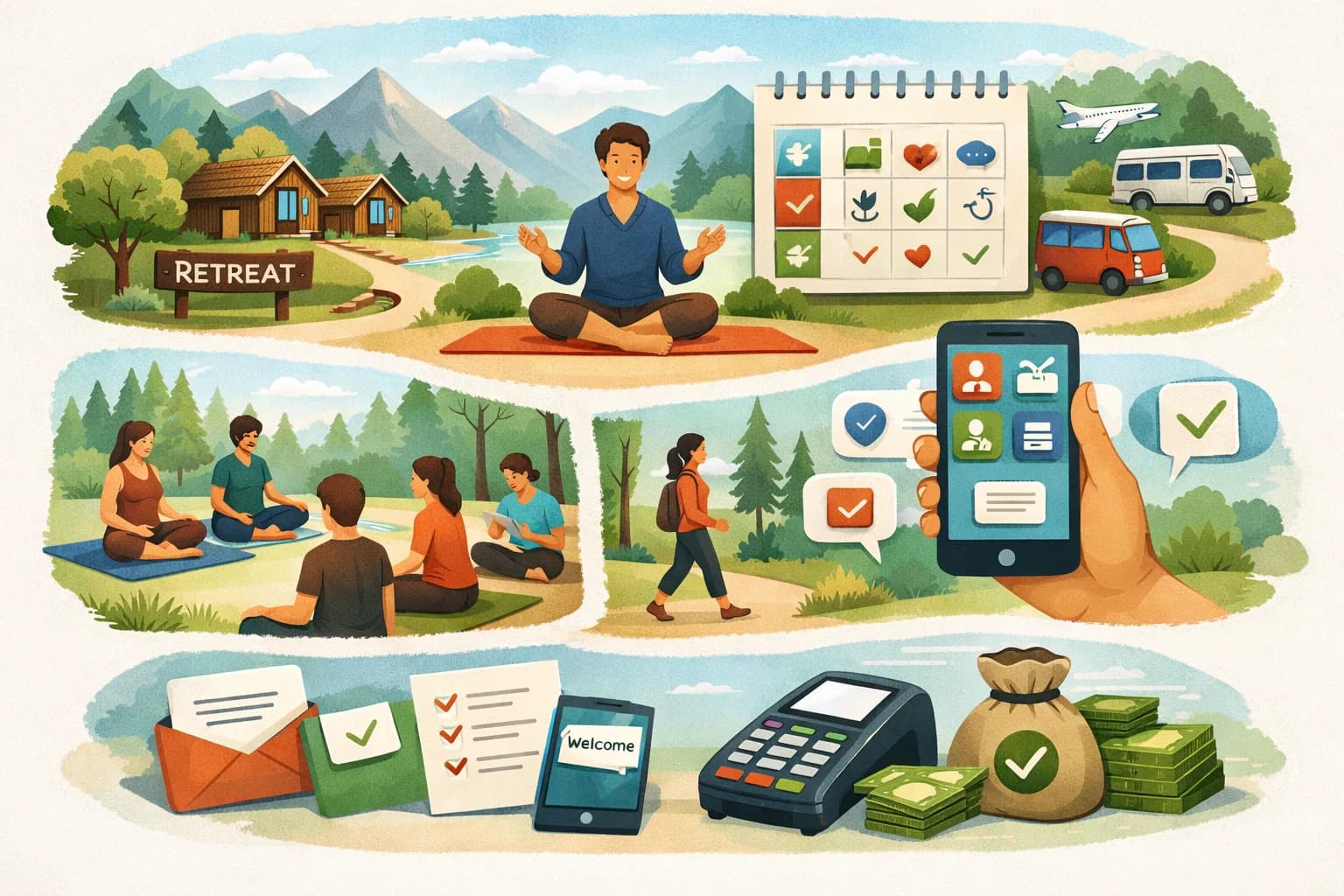
Creating a unique retreat experience means designing every detail with purpose, from the emotional goal to the closing circle. Here’s what matters most:
- Start with a clear emotional intention – what do you want guests to feel when they leave?
- Choose a theme and venue that align with your desired transformation.
- Balance your retreat itinerary with structure and space for rest and connection.
- Engage the senses and build genuine community through storytelling and shared rituals.
- Use tools like SquadTrip to automate logistics, so you can focus on hosting with presence.
Creating a Unique Retreat Experience: An Intro
When your guests remember your retreat months or even years later, it’s not because the beds were soft or the meals were organic – it’s because the retreat experience made them feel something real.
A sense of peace. A breakthrough moment. Deep connection.
In this guide, you’ll learn how to design a truly transformative retreat from the ground up – one that’s immersive, memorable, and aligned with your purpose. Whether you’re a wellness coach, yoga instructor, or travel host, or you’re DIY-ing your first retreat at home, this resource can help.
Why the Retreat Experience Matters More Than Ever
In a world of constant noise and distraction, people are craving intentional experiences that go beyond vacation. Retreats offer an opportunity to pause, reset, and reconnect – but only if they’re designed with care.
Key Benefits of a Thoughtful Retreat Atmosphere
- Builds emotional connection and trust among attendees
- Helps guests drop into the present moment
- Reinforces your retreat’s purpose and promise
- Increases word-of-mouth referrals and repeat bookings
A great retreat doesn’t just deliver content – it delivers feeling.
Common Mistakes That Diminish the Experience
- Overpacking the schedule without downtime
- Choosing a venue that doesn’t support your theme
- Generic programming with no emotional arc
- Poor onboarding and unclear expectations
- Lack of follow-up or post-retreat integration
Avoiding these missteps starts with conscious design.
Prioritize Guest Safety and Comfort
A unique retreat experience doesn’t just inspire – it nurtures safety, both physical and emotional. Whether your focus is on silent retreats, spiritual renewal, or wellness transformation, your guests need to feel secure to fully engage.
What Hosts Need to Know
Make sure your venue meets health and accessibility standards. Clearly communicate food preferences and allergies. For multi-day spiritual retreats, build in wellness check-ins to monitor how participants are adjusting. Use retreat waiver forms to set expectations and reduce liability. When guests feel held, they’re more open to the deeper work ahead.
Personalization Elevates the Entire Experience
Transformative retreats often succeed because they feel deeply personal. Whether you’re hosting a silent meditation weekend or a spiritual growth intensive, small customizations go a long way.
Help Guests Carry the Retreat Into Their Daily Life
This could be as simple as tailored welcome kits, using guest names in group sessions, or optional 1:1 time for walking meditation or personal coaching. Gather insight before the retreat via a pre-arrival survey to understand guests’ intentions, spiritual needs, and goals. Use this data to craft a program that supports each participant’s personal growth while staying true to your retreat theme.
Use Tech to Eliminate Stress (for You and Your Guests)
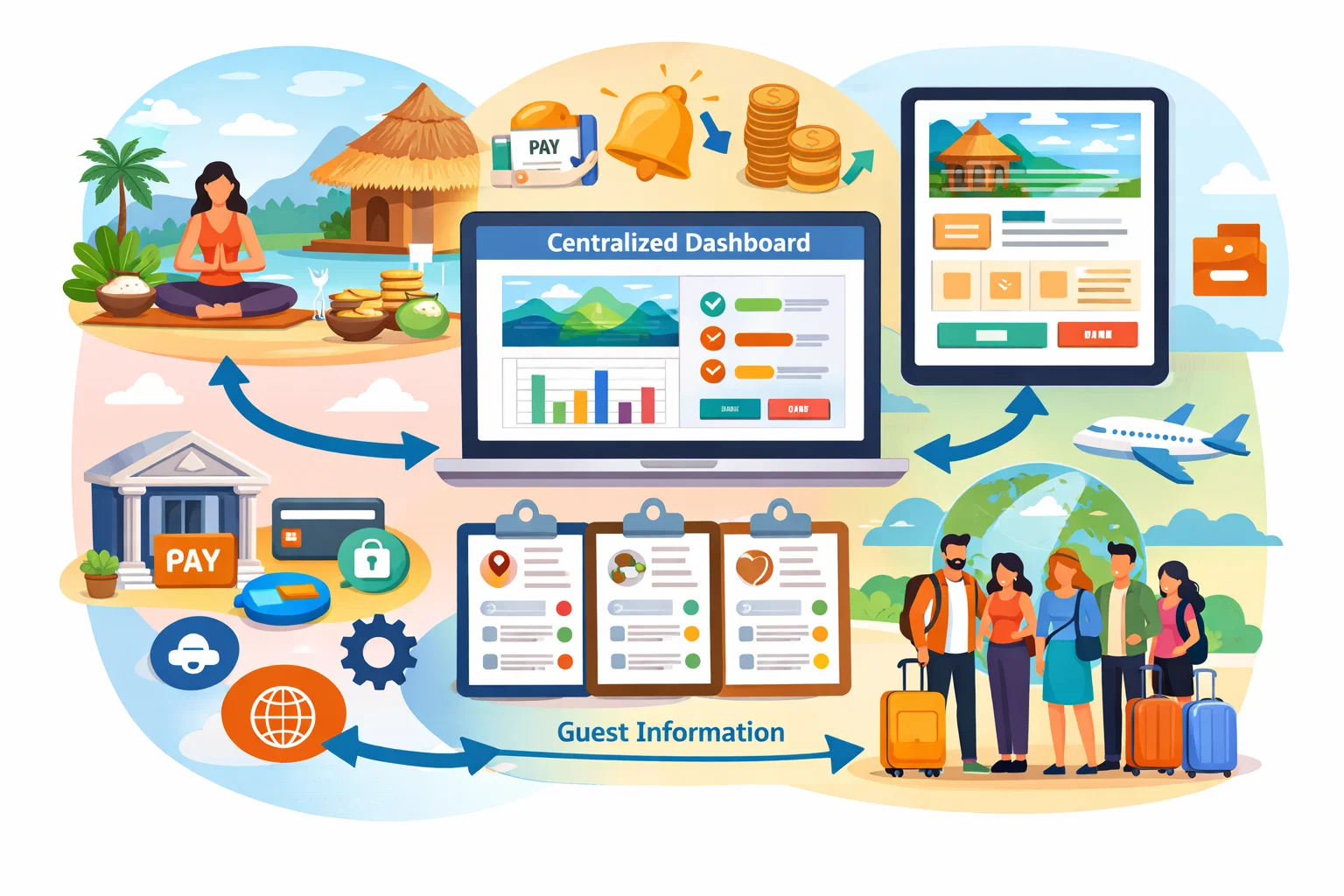
Guests emerging from a fast-paced daily life or seeking inner peace? A smooth logistical experience supports their transformation. Tools like SquadTrip help eliminate friction by automating reminders, payment plans, and itinerary access.
Design a Silent Meditation Experience That Stays With Guests
Even during silent retreats, having an easy-to-access mobile itinerary (especially one that aligns with a retreat’s rhythm) can help orient guests without breaking the silence. Hosts also benefit by spending less time chasing logistics and more time facilitating presence and connection.
Market the Feeling, Not Just the Features
Your marketing should reflect the heart of the retreat experience. Don’t just list workshops and meal types – communicate how this transformative experience will shift your guest’s everyday life.
Spiritual Retreats Support Deep Healing and Growth
Use emotional language in your emails and sales page: “Find inner peace through nature immersion and silent meditation” or “A weekend of spiritual renewal and reflection.” When you lead with outcomes, you attract guests who are ready to invest. For strategy tips, see our retreat marketing guide.
Step-by-Step: How to Design a Unique Retreat Experience
Let’s break it down into actionable steps.
1. Start With the Emotional End Goal
Before you plan the itinerary or book the venue, ask:
What do I want guests to feel when they leave?
Examples might include: Clarity, freedom, confidence, connection, peace, purpose.
This vision will shape every decision that follows.
2. Choose a Retreat Theme That Resonates
Themes create coherence and emotional resonance. Your theme can be rooted in:
- Transformation (e.g., “Release and Renew”)
- Nature connection (e.g., “Earth & Embodiment”)
- Professional growth (e.g., “Visionary Leadership”)
- Creative expression (e.g., “Awaken the Artist”)
Make sure your retreat experience reflects this theme in every detail – from the venue to the welcome gift.
Check out our full guide on planning a retreat theme and agenda.
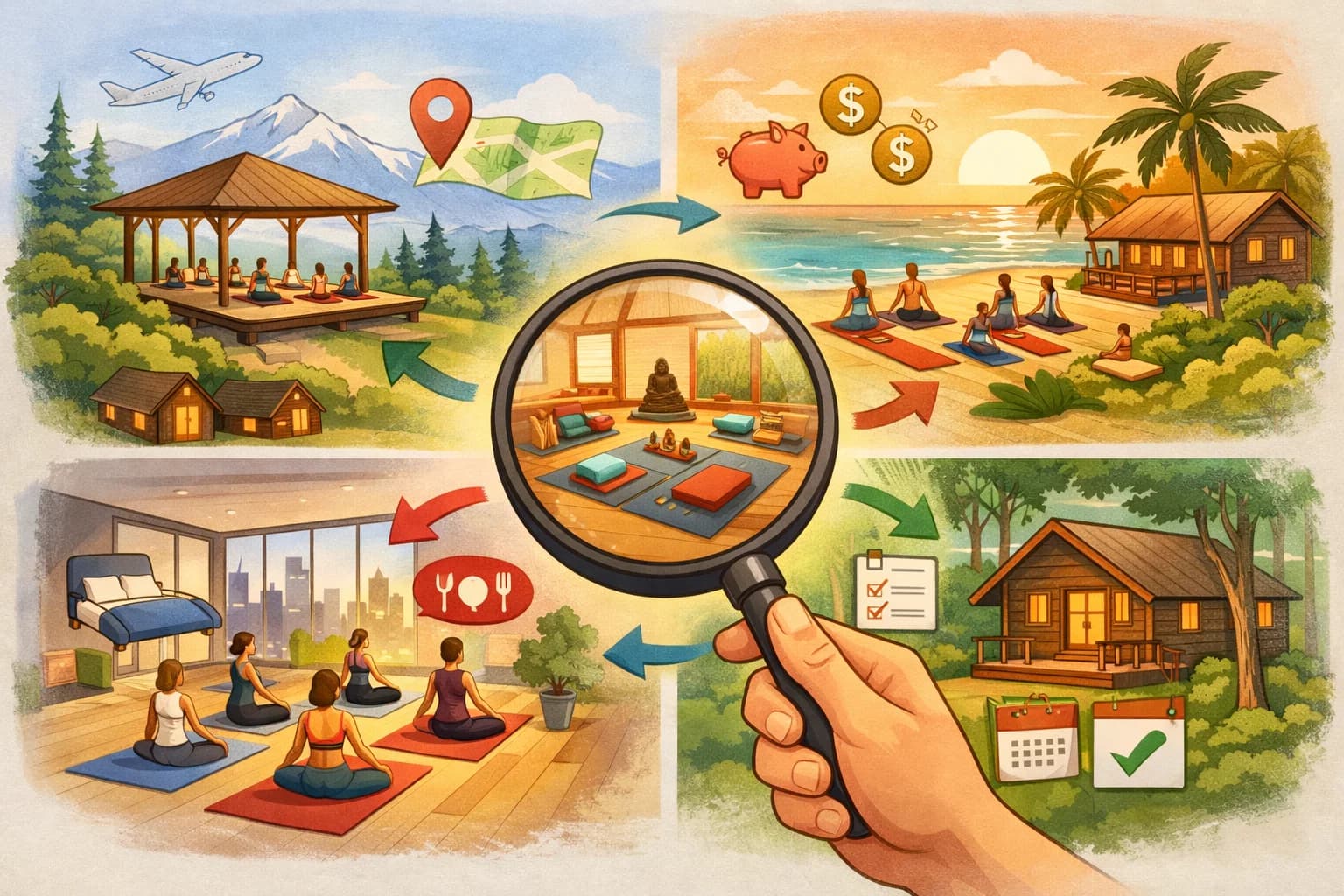
3. Select a Venue That Supports Your Atmosphere
Your retreat venue isn’t just a backdrop – it’s a co-host. Choosing the right location will help you market more easily and budget your trip to balance profit and value.
Desired Feeling
Ideal Venue Type
Tranquility
Lakeside lodge, forest cabin
Empowerment
Modern villa with bold design
Grounding
Eco-retreat or permaculture site
Creativity
Art-focused venue or converted loft
4. Design a Flow That Balances Structure and Spaciousness
Don’t overcrowd the schedule. The best retreat experiences include space for:
- Journaling and rest
- Solo nature time
- Unstructured connection
- Integration after intense sessions
Planning a great itinerary is about balance and offering an experience as well as an outcome to your guests.
5. Use Multi-Sensory Touchpoints
Appeal to more than just the mind. Curate moments using:
- Music (for energy or calm)
- Scents (essential oils, nature)
- Textures (blankets, materials)
- Visuals (altar, color palette)
- Taste (nourishing meals or teas)
These details make the experience immersive and unforgettable.
6. Foster Connection From Day One
Connection is part of the transformation. Build it intentionally:
- Icebreakers that don’t feel forced
- Intentional partner work or group shares
- Shared meals with thematic prompts
- Free time for authentic bonding
A welcoming container is what turns strangers into lifelong friends.
7. Empower Guest Autonomy and Choice
Offer optional workshops or quiet times. Not every guest needs the same pace. Autonomy creates safety and honors individual journeys.
8. Integrate Guest Voices and Stories
Let your attendees feel seen by weaving their stories into the retreat:
- Reflective journaling shares
- Group storytelling circles
- Art, dance, or co-creation sessions
Retreats that invite expression are retreats that stick.
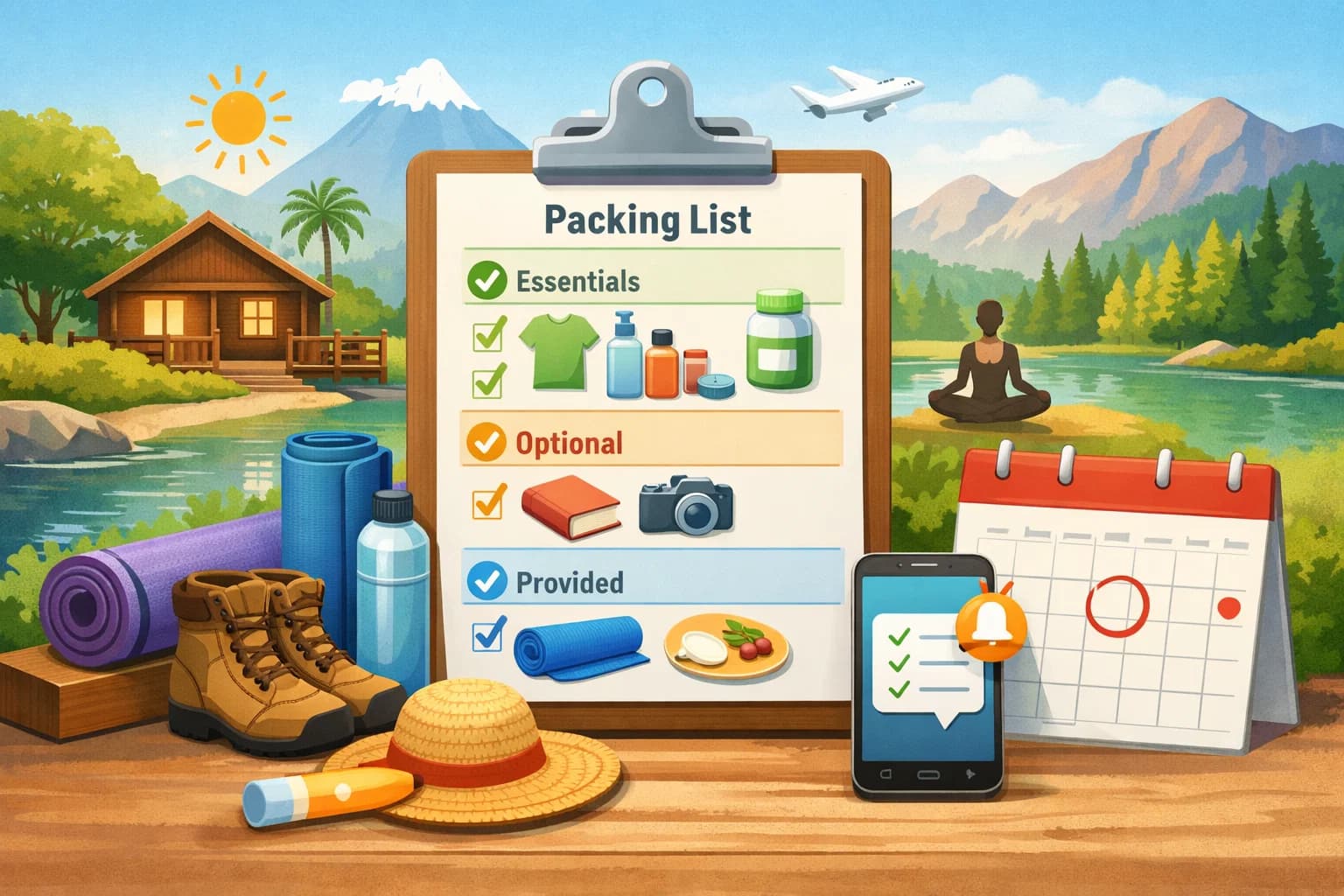
9. Prepare Guests Before Arrival
Your retreat experience starts long before check-in.
- Send a detailed pre-retreat email
- Include packing tips, weather info, and intentions
- Offer a gentle challenge or journal prompt
This builds anticipation and primes guests for transformation.
10. End With Ritual and Integration
The closing circle is just as important as the opening one.
- Ask: What’s one word you’re taking home?
- Offer integration tools (journal, playlist, next steps)
- Share how they can stay connected to each other and your work
These resources are designed to help you create a standout retreat experience – without burning out.
How SquadTrip Helps You Deliver a Standout Experience
- Automate payments and reminders
- Manage guest info and itineraries in one place
- Offer payment plans with zero spreadsheets
- Build a mobile-friendly, guest-facing itinerary
- Create beautiful landing pages in minutes
Start your free SquadTrip account today.
Conclusion: Your Experience Is Your Brand
When guests walk away saying, “That retreat changed me,” you know you’ve done something right.
To recap:
- Start with a clear emotional intention
- Let your theme, venue, and flow support the goal
- Make it sensory, spacious, and connected
- Use the right tools so you can focus on the magic
The most unforgettable retreats are the ones that feel like they were made just for them.
Design with intention, plan with purpose, and let SquadTrip handle the rest. Get started for free.
Frequently Asked Questions
Q1. What makes a retreat “unique” compared to a regular workshop or vacation?
A. A retreat is unique when every detail is aligned with a deeper intention. It’s not just about “things to do,” but about how participants feel the emotional arc, sensory touches, space for reflection, and meaningful connections. A retreat becomes memorable when it resonates on a personal level.
Q2. How should I close the retreat for maximum impact?
A. A closing ritual or integration session helps solidify the experience. Some ideas:
-
Sharing one word or insight they’re taking home
-
Guided meditation or visualization
-
Providing tools to integrate (journal, playlist, next steps)
-
Encouraging ongoing connection among participants
Q3. How does technology (like a retreat management tool) help me?
A. Tech can offload logistical burden so you focus on hosting presence. For example, you can automate:
-
Payments and reminders
-
Itinerary sharing
-
Guest registrations and profiles
-
Pre- and post-retreat communications
Q4. What should I look for when selecting a retreat venue?
A. The venue should support your theme and emotional intention. Key factors to consider:
-
Atmosphere (natural surroundings, light, quiet)
-
Accessibility and infrastructure (roads, transport, health/safety)
-
Amenities (meals, sleeping comfort, indoor & outdoor spaces)
-
Flexibility for activities (space for workshops, quiet zones)
Q5. How do I balance structure vs downtime in the schedule?
A. Too much structure can overwhelm guests; too little leaves them feeling untethered. Aim for a mix: core sessions, guided experiences, and open time for reflection, rest, or personal exploration. Use “anchor points” (opening circle, meals, closing ritual) and leave breathing space between.