
TL;DR:
-
A perfect mindfulness retreat starts with clear intentions and guest outcomes
-
Location, schedule design, and facilitator quality shape the overall experience
-
Guests value structure, but also space for rest and reflection
-
Clear communication before and during the retreat builds trust
-
Payment handling and logistics should be simple and stress-free
-
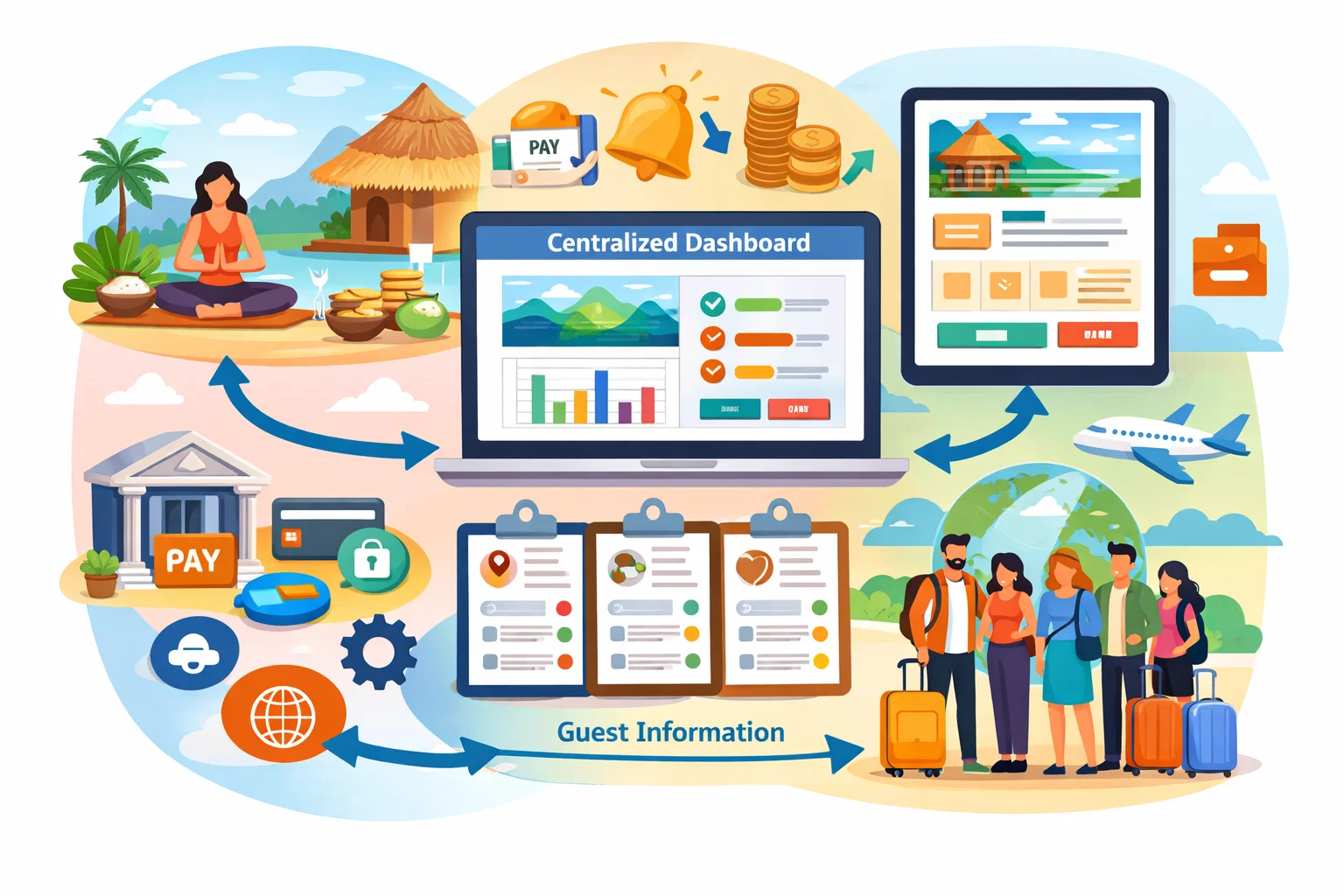
SquadTrip helps retreat hosts manage RSVPs, payments, and guest coordination in one place
Introduction
Planning the perfect mindfulness retreat takes more than booking a peaceful location and inviting guests to unplug. A successful mindfulness retreat balances intention, structure, comfort, and logistics so guests can truly slow down, reconnect, and leave feeling grounded. Whether you are hosting your first retreat or refining an existing format, the right planning approach makes all the difference.
In this guide, you will learn how to plan the perfect mindfulness retreat step by step, from defining goals and choosing the right venue to designing daily schedules, managing payments, and creating a calm guest experience from start to finish.
Want a clearer way to communicate retreat goals and expectations? SquadTrip keeps all retreat details in one place so guests always know what to expect.
What Makes a Mindfulness Retreat “Perfect”?
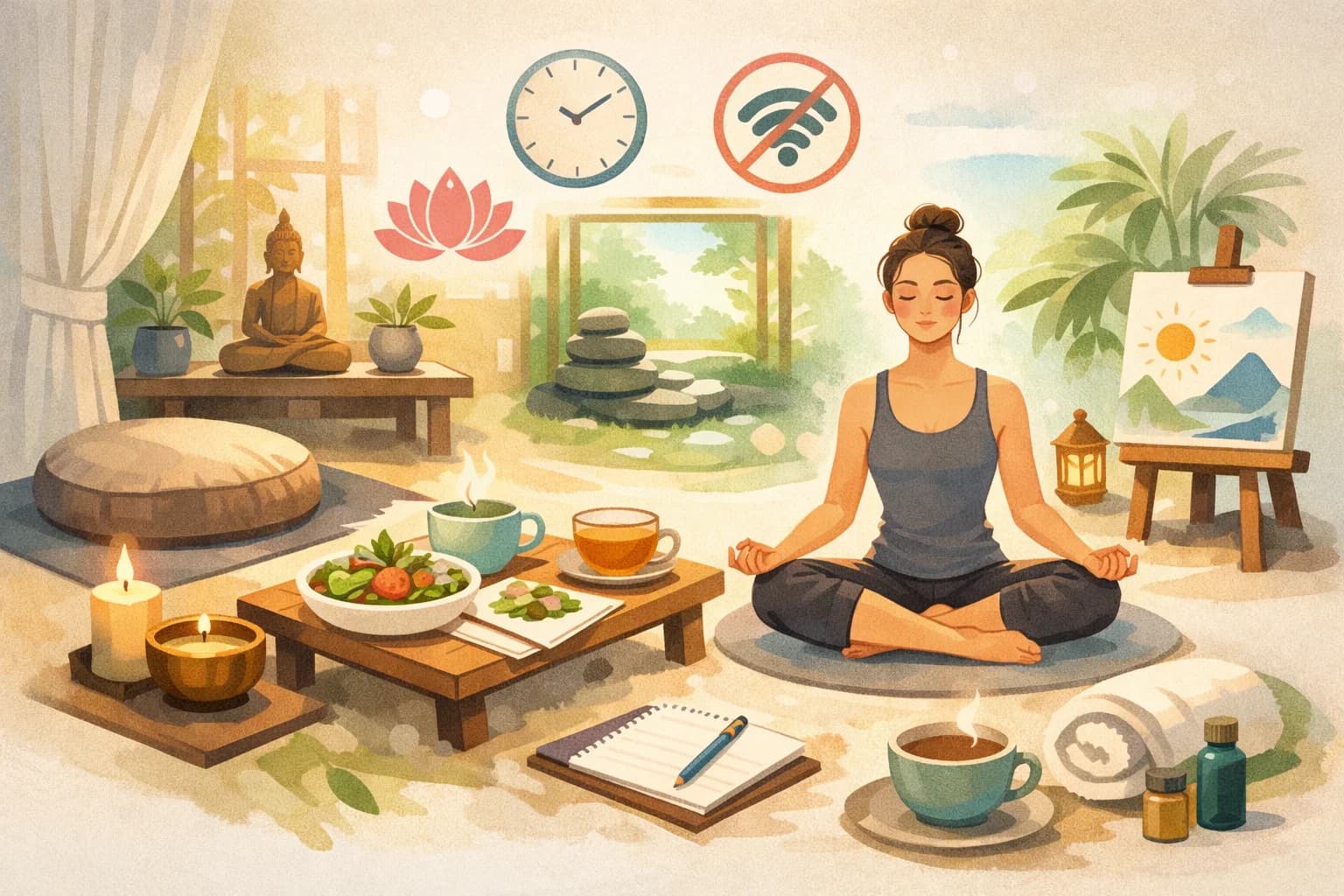
A mindfulness retreat feels effortless to the guest, even though it is carefully planned behind the scenes. Guests should feel safe, supported, and free from decision fatigue. The goal is not to pack every hour with activities, but to create an environment where presence comes naturally.
A perfect mindfulness retreat typically offers:
-
A clear theme or focus
-
A predictable but flexible daily rhythm
-
Experienced facilitators who guide without pressure
-
Thoughtful logistics that fade into the background
When these elements align, guests can fully immerse themselves in the experience instead of worrying about schedules, payments, or expectations.
Define the Purpose of Your Perfect Mindfulness Retreat
Before booking venues or promoting the retreat, clarify why you are hosting it and who it is for.
Ask yourself:
-
Is this retreat focused on stress relief, emotional healing, or self-awareness?
-
Is it designed for beginners, experienced practitioners, or a mixed group?
-
Will it include yoga, breathwork, journaling, or silent reflection?
Clear goals guide every decision that follows, from pricing to programming. Guests are more likely to sign up when they understand exactly what they will gain.
Choose the Right Location for a Mindfulness Retreat
Location sets the tone for the entire retreat. A perfect mindfulness retreat location minimizes distractions and encourages calm without being inconvenient or uncomfortable.
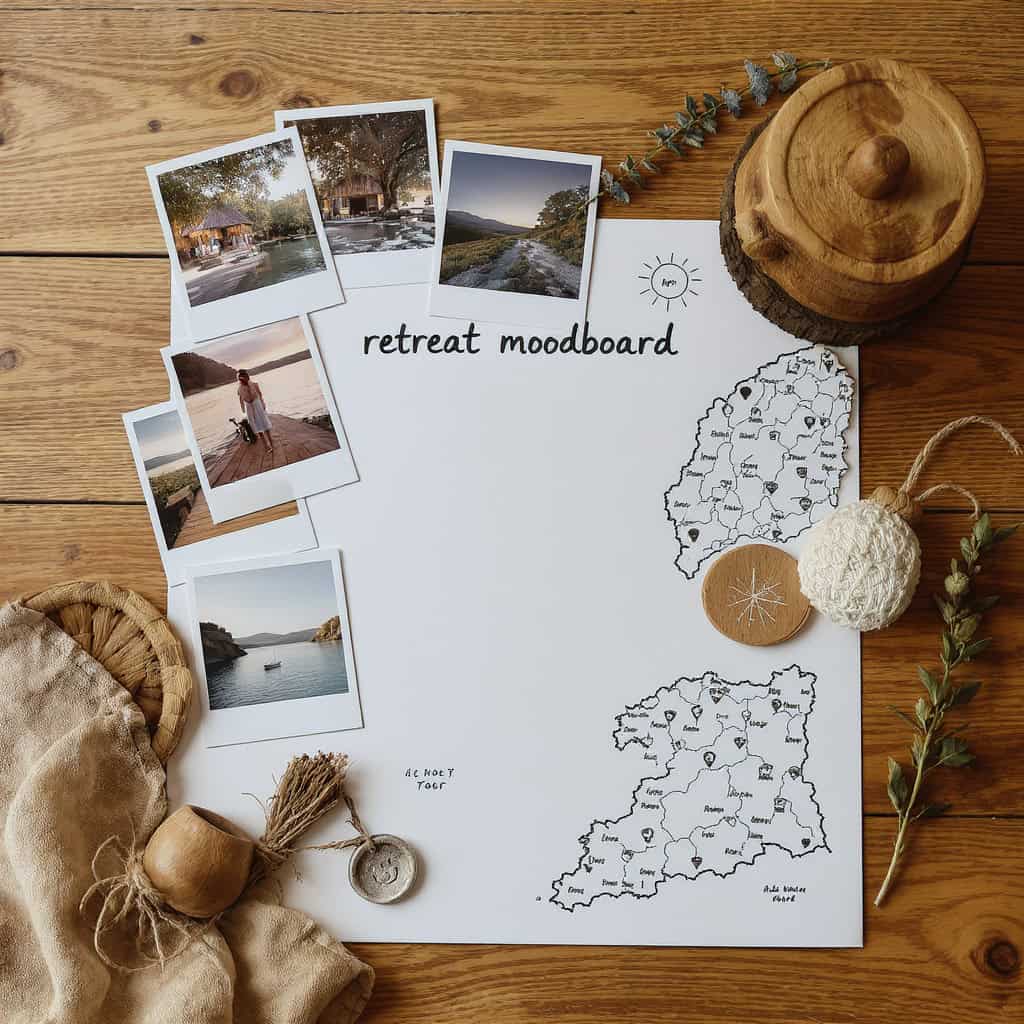
What to Look for in a Retreat Venue
-
Natural surroundings like forests, mountains, or coastal areas
-
Quiet spaces for meditation and reflection
-
Comfortable accommodations with minimal noise
-
Dedicated areas for group sessions and solo time
Avoid locations that require constant coordination or complicated travel. The easier it is for guests to arrive and settle in, the faster they can shift into a mindful state.
Accessibility Matters
While remoteness is appealing, extreme isolation can create anxiety. Make sure:
-
Transportation options are clear
-
Arrival instructions are simple
-
Emergency access is available
A perfect mindfulness retreat balances seclusion with practicality.
Read More: How to Choose the Right Retreat Venue for Your Next Event
Design a Thoughtful Retreat Schedule
Structure is essential, but rigidity can undermine mindfulness. Your schedule should guide guests gently through the day while leaving room for rest and spontaneity.
Sample Daily Flow for a Mindfulness Retreat
Morning:
-
Gentle wake-up meditation or breathwork
-
Light movement or yoga
-
Quiet breakfast
Midday:
-
Guided mindfulness session
-
Journaling or reflective exercises
-
Free time or nature walks
Evening:
-
Group discussion or sharing circle
-
Closing meditation
-
Silent or low-stimulus downtime
This rhythm helps guests stay grounded without feeling rushed.
Build Space Into the Schedule
Many first-time retreat hosts over-schedule. Silence, rest, and unstructured time are not gaps to fill, they are core parts of the experience.
Guests often say the most meaningful moments happen during:
-
Solo walks
-
Quiet meals
-
Unplanned reflection
Leave space for these moments to unfold naturally.
Select Facilitators and Guides Carefully
Facilitators shape how safe and supported guests feel. For a perfect mindfulness retreat, quality matters more than quantity.
Look for facilitators who:
-
Communicate calmly and clearly
-
Respect different comfort levels
-
Encourage participation without pressure
-
Can adapt sessions based on group energy
If you are facilitating yourself, be clear about your role and boundaries. Guests appreciate honesty more than perfection.
Set Clear Expectations Before the Retreat
Clear communication reduces anxiety and builds trust. Guests should know exactly what they are signing up for.
Share details such as:
-
Daily schedules
-
Accommodation setup
-
What to bring and what to leave behind
Avoid surprises that could disrupt the mindful environment.
Price Your Mindfulness Retreat Thoughtfully
Pricing is often the hardest part for retreat hosts. A perfect mindfulness retreat feels worth the investment without creating pressure or confusion.
What to Include in Retreat Pricing
-
Accommodation
-
Meals
-
Facilitator sessions
-
Group activities
-
Administrative costs
Be transparent about what is included and what is not.
Offer Flexible Payment Options
Many guests appreciate:
-
Deposit-based bookings
-
Clear refund policies
Flexible pricing increases sign-ups and reduces last-minute cancellations.
Simplify Payments and RSVPs
Payment stress undermines the calm experience you are trying to create. Manual tracking through spreadsheets or messages often leads to errors and awkward reminders.
For a perfect mindfulness retreat:
-
Use one centralized system for payments
-
Let guests see their payment status
-
Automate reminders where possible
This keeps your energy focused on the retreat experience, not admin work.
Create a Calm Guest Journey From Start to Finish
Mindfulness begins before guests arrive and continues after they leave. Think of the retreat as a journey, not just a few days on a calendar.
Before the Retreat
-
Welcome emails with clear instructions
-
Gentle reminders, not sales pressure
-
Optional pre-retreat reflection prompts
During the Retreat
-
Minimal announcements
-
Clear daily touchpoints
-
Consistent communication style
After the Retreat
-
Closing messages or reflections
-
Resources for continued practice
-
Optional community follow-ups
A smooth journey increases repeat attendance and referrals.
Handle Group Dynamics With Care
Even in quiet retreats, group energy matters. Set shared guidelines early.
Common guidelines include:
-
Respect for silence
-
Punctuality without pressure
-
Confidentiality within sharing circles
Clear boundaries help guests relax and feel safe expressing themselves.
Support Different Comfort Levels
Not all guests engage the same way. A perfect mindfulness retreat welcomes both quiet observers and active participants.
Offer:
-
Optional sharing, not forced discussion
-
Alternative practices for physical limitations
-
Permission to rest or step away
Inclusivity strengthens the group experience.
Plan for Meals and Nutrition
Food plays a big role in mindfulness retreats. Meals should nourish without distraction.
Best practices include:
-
Simple, wholesome menus
-
Clear dietary accommodation options
-
Quiet or mindful eating opportunities
Avoid complicated meal logistics that create stress or delays.
Prepare for the Unexpected
Even the best-planned retreats face surprises. Weather changes, travel delays, or guest needs can arise.
Prepare by:
-
Having backup indoor activities
-
Keeping schedules adaptable
-
Staying calm and transparent
Your response to challenges shapes how guests remember the retreat.
Use Feedback to Improve Future Retreats
After the retreat, invite honest feedback.
Ask about:
-
Schedule balance
-
Session pacing
-
Communication clarity
-
Overall experience
Use this input to refine future retreats and strengthen your offering.
Why Tools Matter When Planning the Perfect Mindfulness Retreat
Behind every peaceful retreat is a well-organized system. Managing guests, payments, schedules, and updates manually often leads to burnout.
A centralized platform helps you:
-
Keep guest information organized
-
Collect payments without friction
-
Share updates without repeated messages
-
Stay focused on hosting, not admin
Conclusion
Planning the perfect mindfulness retreat is about intention, clarity, and care. When guests feel supported before, during, and after the retreat, they can truly let go and be present.
By choosing the right location, designing thoughtful schedules, communicating clearly, and simplifying logistics, you create space for real transformation.
If you want to host mindfulness retreats without chasing payments, juggling spreadsheets, or sending constant reminders, SquadTrip gives you one place to manage it all. Focus on the experience. Let the platform handle the rest.
Ready to plan your next mindfulness retreat with less stress? Try SquadTrip and keep your retreat experience calm from start to finish.
Frequently Asked Questions
What is a mindfulness retreat?
A mindfulness retreat is a structured experience where guests step away from daily routines to focus on awareness, presence, and mental clarity. It usually includes meditation, quiet reflection, gentle movement, and guided practices in a calm environment.
How long should a perfect mindfulness retreat be?
Most mindfulness retreats last between 2 to 5 days. Shorter retreats work well for beginners, while longer retreats allow deeper reflection. The ideal length depends on your audience, goals, and location.
How many guests should a mindfulness retreat have?
A perfect mindfulness retreat typically works best with 8 to 20 guests. Smaller groups allow for more personal attention and create a quieter, more connected atmosphere.
Do mindfulness retreats need a strict schedule?
No. While structure is important, mindfulness retreats benefit from flexible schedules. A balanced retreat includes guided sessions along with free time for rest, journaling, or solo reflection.
What activities are usually included in a mindfulness retreat?
Common activities include guided meditation, breathwork, gentle yoga, journaling, silent walks, group discussions, and mindfulness exercises. The focus should always be on awareness rather than performance.