TL;DR
-
A DIY wellness retreat lets you reset your mind and body without travel or high costs
-
You can design a meaningful retreat at home using simple structure, intention, and boundaries
-
The key elements are schedule, space, activities, food, and digital limits
-
Solo retreats work just as well as small group or virtual formats
-
Tools like SquadTrip help organize payments, schedules, and guest details if you invite others
Introduction
A DIY wellness retreat is one of the most accessible ways to slow down, reconnect with yourself, and create space for real rest. You do not need a remote villa, a packed itinerary, or a big budget. With the right structure and mindset, your own home can become a powerful place for reset and reflection.
More people are choosing at-home wellness retreats because they are flexible, affordable, and personal. Whether you are feeling burned out, overstimulated, or simply craving quiet time, planning your own self-care escape gives you control over the pace and focus of the experience.
This guide walks you through how to plan a DIY wellness retreat that actually feels restorative, not like another task on your to-do list. You will learn how to set intentions, design a schedule, choose activities, and create boundaries that make the time meaningful. If you plan to invite friends or host a small group retreat, you will also see how simple tools can help keep everything organized.
What Is a DIY Wellness Retreat?
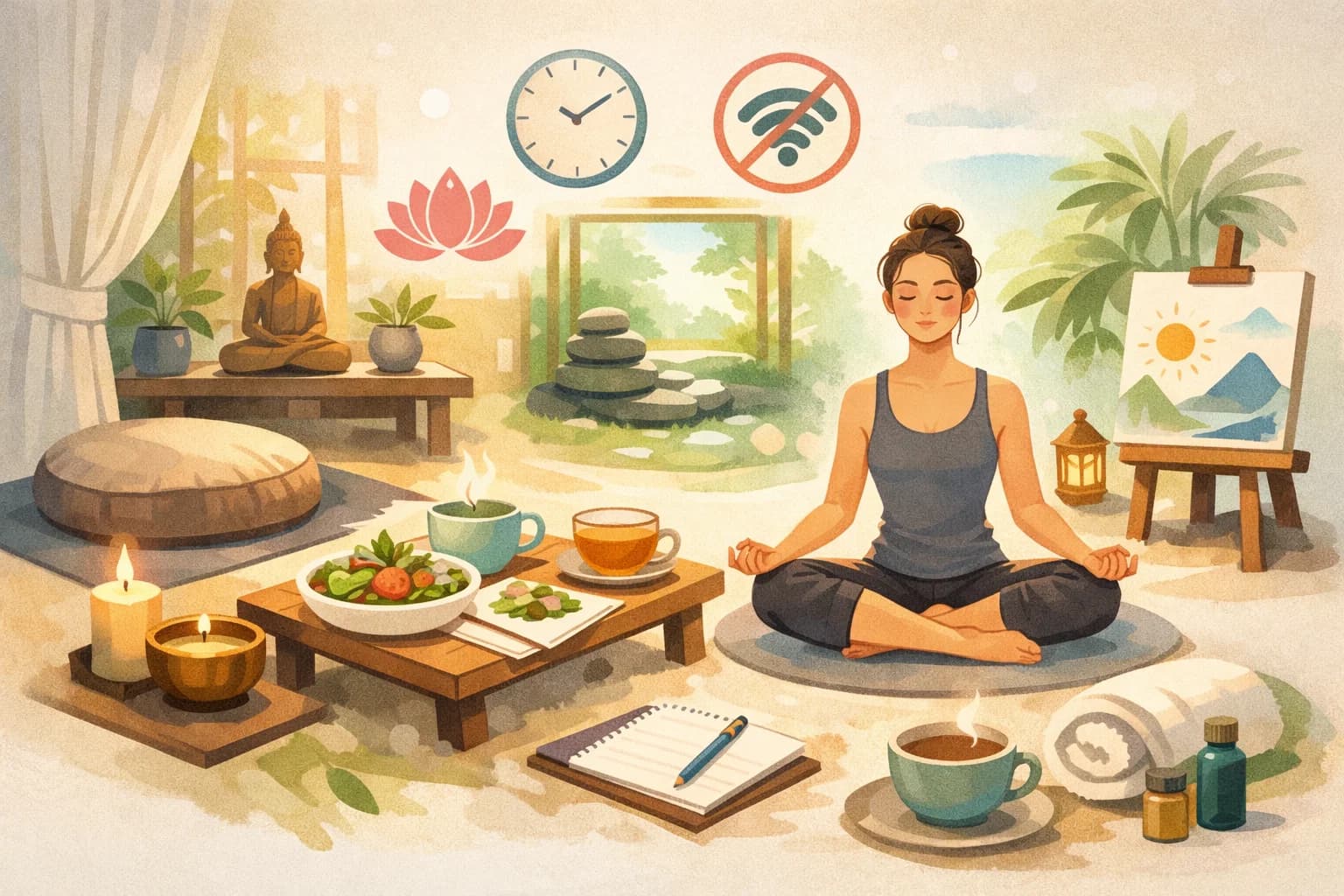
A DIY wellness retreat is a self-designed experience focused on rest, reflection, and well-being. Instead of traveling to a resort or retreat center, you create the retreat in your own space, on your own terms.
This can be:
-
A solo weekend focused on rest and journaling
-
A structured day retreat with yoga, meditation, and healthy meals
-
A small group experience with friends joining virtually or in person
What matters is not the location. It is the intention and the container you create around your time.
Unlike casual self-care, a retreat has a beginning, middle, and end. You step away from normal routines, reduce distractions, and give yourself permission to slow down.
Why a DIY Wellness Retreat Works So Well
Many people assume retreats only work in beautiful destinations. In reality, the most impactful part of a retreat is not the setting. It is the pause.
A DIY wellness retreat works because:
-
You remove everyday pressure without adding travel stress
-
You design activities that match your real needs
-
You stay connected to your life while still stepping back from it
At-home retreats also make wellness more sustainable. Instead of waiting for one perfect week each year, you can build shorter, regular retreats into your routine.
How to Set Your Intention for a DIY Wellness Retreat
Before planning activities or schedules, start with intention. This is the foundation of your retreat.
Ask yourself:
-
What do I feel depleted by right now?
-
What do I want more of when this retreat ends?
-
What does rest look like for me at this moment?
Your intention might be:
-
Rest and recovery
-
Mental clarity
-
Emotional processing
-
Creativity and inspiration
-
Reconnection with your body
Write your intention down. Keep it visible during the retreat. Every decision, from activities to food, should support that goal.
Hosting a shared retreat? Keep schedules and guest details organized with SquadTrip.
Choosing the Right Length for Your At-Home Retreat
Your DIY wellness retreat does not need to be long to be effective.
Common formats include:
-
A single focused day
-
A weekend retreat
-
A few evenings spread across a week
If this is your first retreat, start small. A one-day or weekend format helps you build confidence without pressure.
Remember, the goal is not to fill time. It is to create space.
Creating a Retreat Schedule That Feels Supportive
Structure helps you relax. A loose but intentional schedule prevents decision fatigue and keeps you present.
Morning Block
-
Wake up without alarms if possible
-
Gentle movement like stretching or yoga
-
Meditation or breathwork
-
Light breakfast or tea ritual
Midday Block
-
Journaling or reflection prompts
-
Nature time or mindful walking
-
Nourishing lunch
-
Creative activity or rest
Evening Block
-
Digital detox
-
Gentle movement or stretching
-
Reflection or gratitude practice
-
Early bedtime
Leave space between activities. Silence is part of the retreat.
Designing Your Space for a DIY Wellness Retreat
You do not need to redecorate your home. Small changes can shift the energy of a space.
Ideas include:
-
Clearing clutter from one room
-
Adding candles, soft lighting, or plants
-
Creating a dedicated corner for meditation or journaling
-
Removing work-related items from view
Let others in your household know you are on retreat. Clear communication helps protect your time.
Wellness Activities That Work Well at Home
Choose activities that support your intention and feel natural, not forced.
Mind-Body Practices
-
Yoga or gentle stretching
-
Meditation or breathwork
-
Body scan or relaxation exercises
Reflection Practices
-
Journaling with prompts
-
Writing letters you never send
-
Goal review or life check-in
Creative Practices
-
Drawing or painting
-
Music or sound healing
-
Free writing or poetry
Rest Practices
-
Naps without guilt
-
Quiet reading
-
Sitting with no agenda
Avoid over-scheduling. One meaningful practice is often enough.
Planning Retreat Meals Without Stress
Food should support your retreat, not become a project.
Simple approaches work best:
-
Prep meals ahead of time
-
Choose nourishing, familiar foods
-
Avoid heavy cooking during the retreat
Ideas include:
-
Smoothies or soups
-
Fresh fruit and vegetables
-
Herbal teas and warm drinks
Eat mindfully. Let meals become part of the experience, not a distraction.
Setting Digital Boundaries During Your Retreat
One of the biggest benefits of a DIY wellness retreat comes from stepping away from constant input.
Consider:
-
Turning off notifications
-
Setting an auto-reply for work messages
-
Limiting social media entirely
If fully disconnecting feels hard, choose specific check-in times and stick to them.
Hosting a Small Group DIY Wellness Retreat
You can also turn your DIY wellness retreat into a shared experience.
This might include:
-
A few friends gathering in one space
-
A virtual retreat with shared sessions
-
A hybrid format with optional activities
When hosting others, clarity becomes more important. Set expectations around schedule, participation, and boundaries.
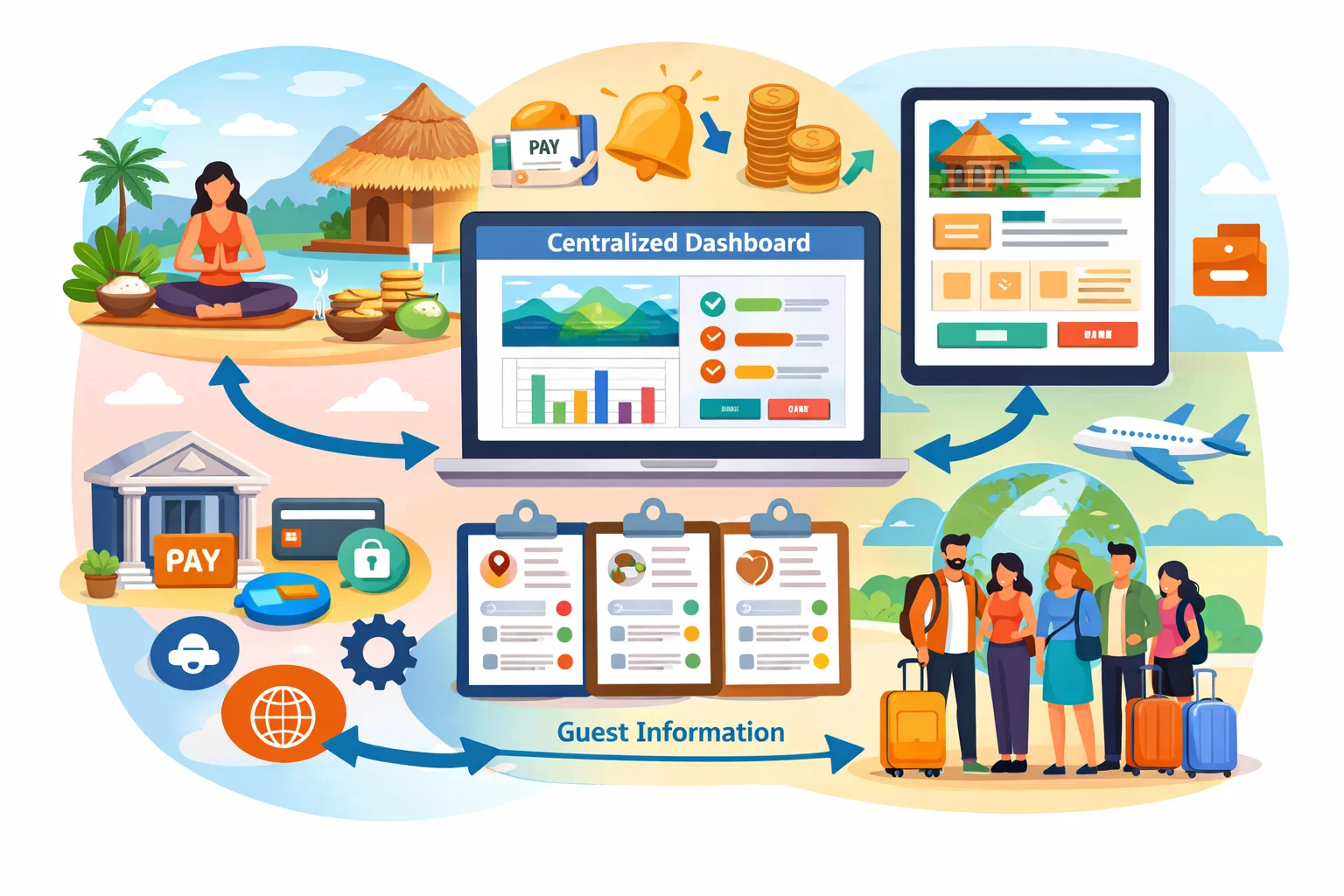
This is where simple organization tools help. Using a platform like SquadTrip makes it easier to:
-
Share schedules and session details
-
Collect payments if needed
-
Keep guest information in one place
A clear setup allows you to stay present instead of managing logistics.
Common Mistakes to Avoid When Planning a DIY Wellness Retreat
Even simple retreats can feel stressful if expectations are off.
Avoid:
-
Packing the schedule too tightly
-
Treating the retreat like a productivity challenge
-
Comparing your retreat to others online
-
Ignoring your energy levels
Your retreat does not need to look a certain way to be effective.
How to Reflect After Your DIY Wellness Retreat
The retreat does not end when the schedule does.
Take time to:
-
Journal about what felt helpful
-
Note what you want to carry forward
-
Identify one or two habits to keep
This reflection helps integrate the experience into daily life.
Turning DIY Retreats Into a Regular Practice
One retreat can be powerful. Regular retreats are transformative.
Consider:
-
Monthly mini retreats
-
Quarterly weekend resets
-
Annual longer retreats
Each one builds your ability to rest without guilt and listen to what you need.
How SquadTrip Supports Wellness Retreat Planning
While a DIY wellness retreat can be completely solo, many people eventually want to share the experience.
SquadTrip helps wellness hosts:
-
Organize retreat details in one place
-
Manage payments and guest info smoothly
-
Share schedules, updates, and expectations clearly
This reduces admin work and keeps the focus on the experience itself.
DIY Retreat Formats Compared
| Format | Duration | Cost | Equipment | Difficulty |
|---|---|---|---|---|
| Solo Weekend | 2 days | $0–$50 | Minimal | Easy |
| Digital Detox | 1–3 days | $0 | None | Moderate |
| Yoga at Home | 1–2 days | $0–$30 | Mat, blocks | Easy |
| Journaling Retreat | 1 day | $0–$20 | Journal, pens | Easy |
| Meditation Intensive | 2–3 days | $0–$50 | Cushion, timer | Moderate |
| Fitness Bootcamp | 1–3 days | $0–$100 | Weights, bands | Hard |
Virtual retreat platforms and guided meditation apps are making DIY retreats more structured in 2026. Apps like Insight Timer, Calm, and Headspace now offer full retreat-length programs that guide you through multi-day experiences at home. Combined with video platforms that support group sessions, it is easier than ever to create a retreat that feels guided and intentional without hiring a facilitator or leaving your living room.
Conclusion: Your Home Can Be a Place of Real Reset
A DIY wellness retreat proves that rest does not need to be expensive, complicated, or far away. With intention, structure, and clear boundaries, your home can become a space for deep renewal.
Whether you start with a quiet afternoon or plan a full weekend retreat, the impact comes from giving yourself permission to pause. Over time, these small retreats build resilience, clarity, and balance.
If your retreat plans grow to include others, using a platform like SquadTrip helps you stay organized without losing the personal feel. Start simple, listen to your needs, and let your retreat evolve naturally.
Your self-care escape is closer than you think.
Hosting a small wellness retreat? Let SquadTrip handle the planning details.
FAQs
1. Is a DIY wellness retreat actually effective, or does it feel like regular time off?
A DIY wellness retreat works when you create clear boundaries and structure. The difference from a normal day off is intention. You step away from routine, limit distractions, and treat the time as a dedicated reset rather than free time.
2. How do I stop my at-home retreat from turning into chores or errands?
Plan meals and basic tasks ahead of time, then commit to not “squeezing in” productivity. Once the retreat starts, avoid cleaning, emails, or catch-up work. Protecting the container is what makes it restorative.
3. What if I live with family or roommates can I still do a DIY wellness retreat?
Yes. Many people do successful at-home retreats by setting expectations in advance, choosing a specific room or time block, and clearly communicating when they are unavailable. Even partial boundaries make a big difference.
4. Do I need to follow a strict schedule for a DIY wellness retreat?
No. A loose schedule works better than a rigid one. The goal is to reduce decision fatigue, not control every minute. Think in blocks of time with space for rest and silence in between.
5. What activities are most helpful if I feel mentally exhausted, not physically tired?
Mental fatigue responds well to journaling, guided meditation, slow walks, and creative practices like writing or drawing. Avoid intense workouts or information-heavy content during the retreat.