TL;DR:
- Define guiding principles before you plan a spiritual retreat.
- Core elements often include meditation, silence, and small group sharing.
- Balance structured sessions with space for quiet rest and self-reflection.
- Choose a retreat location that supports peace and spiritual practices.
- Integration is key. Offer prompts and alumni meetups after the retreat.
- Use SquadTrip to centralize waivers, payments, and daily updates.
Introduction
Spiritual retreats are gaining momentum as more people seek contemplative travel that balances reflection, healing, and connection. Unlike vacations, these retreats offer intentional spaces where participants can pause from everyday life and focus inward.
The search for spirituality through retreats is on the rise. And with it, the opportunity to use our experience in wellness and coaching to make a difference.
For hosts, creating a meaningful retreat experience requires clarity, structure, and tools to handle logistics smoothly.
Read More: How to Plan the Perfect Mindfulness Retreat
Purpose-Driven Program Design
A spiritual retreat works best when anchored in purpose. Guests come looking for spiritual growth, peace, or a deeper connection, and your role as host is to shape a path for them.
Setting Intention and Guiding Principles
Before you plan a spiritual retreat, define your intention.
Is it a meditation retreat focused on silence, or a women’s retreat that nurtures community?
Consider your audience’s needs and outline guiding principles that shape the programming. Having a clear vision makes your retreat type more distinct and helps communicate value to potential participants.
Intention also directs everything from retreat location to daily activities. For example, contemplative prayer or centering prayer might be central practices in christian retreats, while journaling and mindful walks could shape personal retreats.
Core Elements of a Spiritual Retreat
Once intention is clear, build out the core elements. These components give your retreat depth and help guests find peace beyond normal life.
Meditation, Silence, Nature Immersion, Small Circles
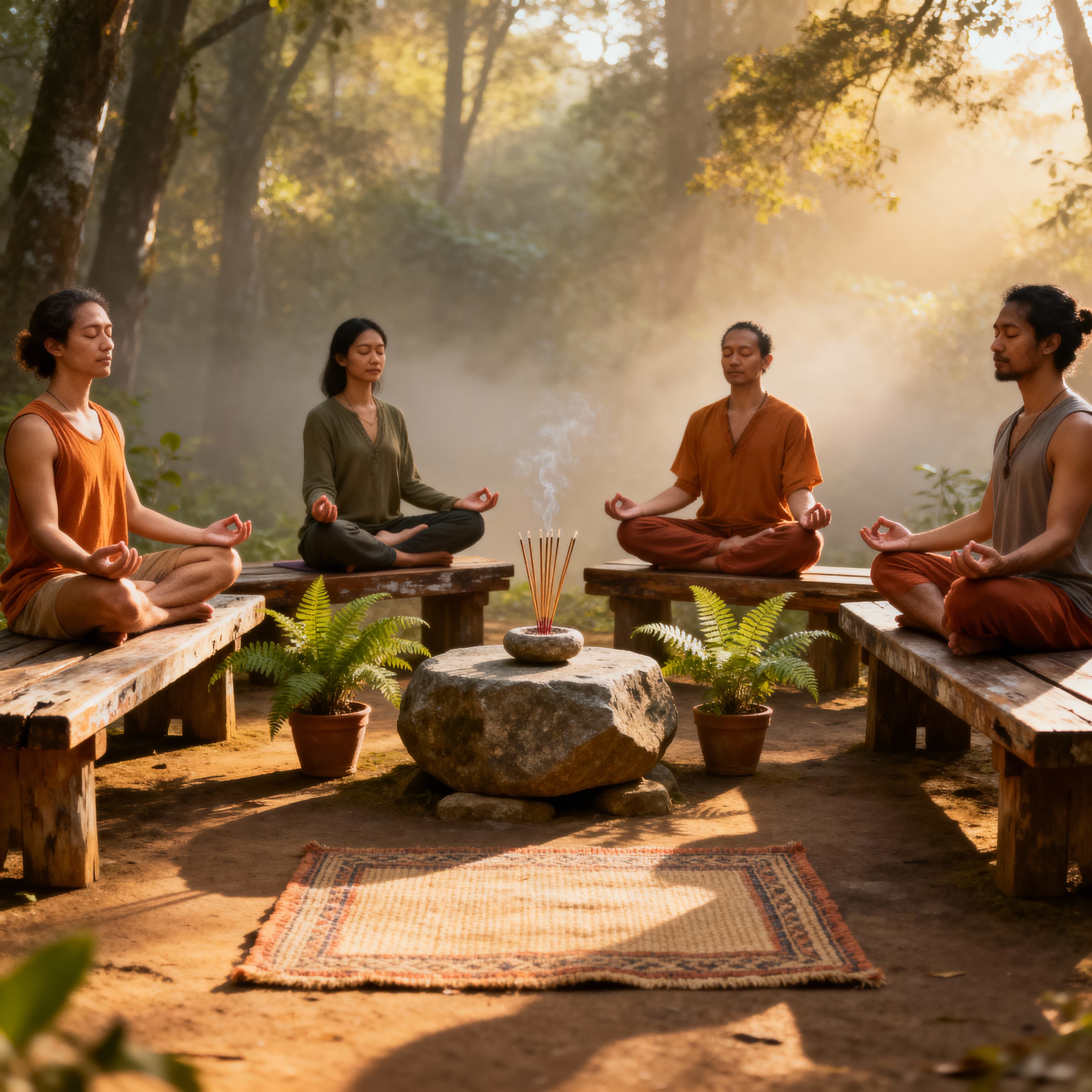
Many retreats offer periods of meditation and silence to reduce distractions. Silent retreats often combine silent meditation with guided reflections. Encourage guests to walk in nature, spend time journaling, and gather in small circles for shared reflection. This blend of practices supports both individual and communal growth.
Gentle Movement and Journaling
Incorporating yoga or light physical activities can ground participants in the present moment. Pair movement with journaling to support self reflection and integration. Journals become a personal record of transformative experiences that guests can take back into daily life.
Safe and Simple Operations
Running retreats offer challenges, but strong systems keep things stress-free for both host and guest.
Intake Forms, Consent, and Special Needs in SquadTrip
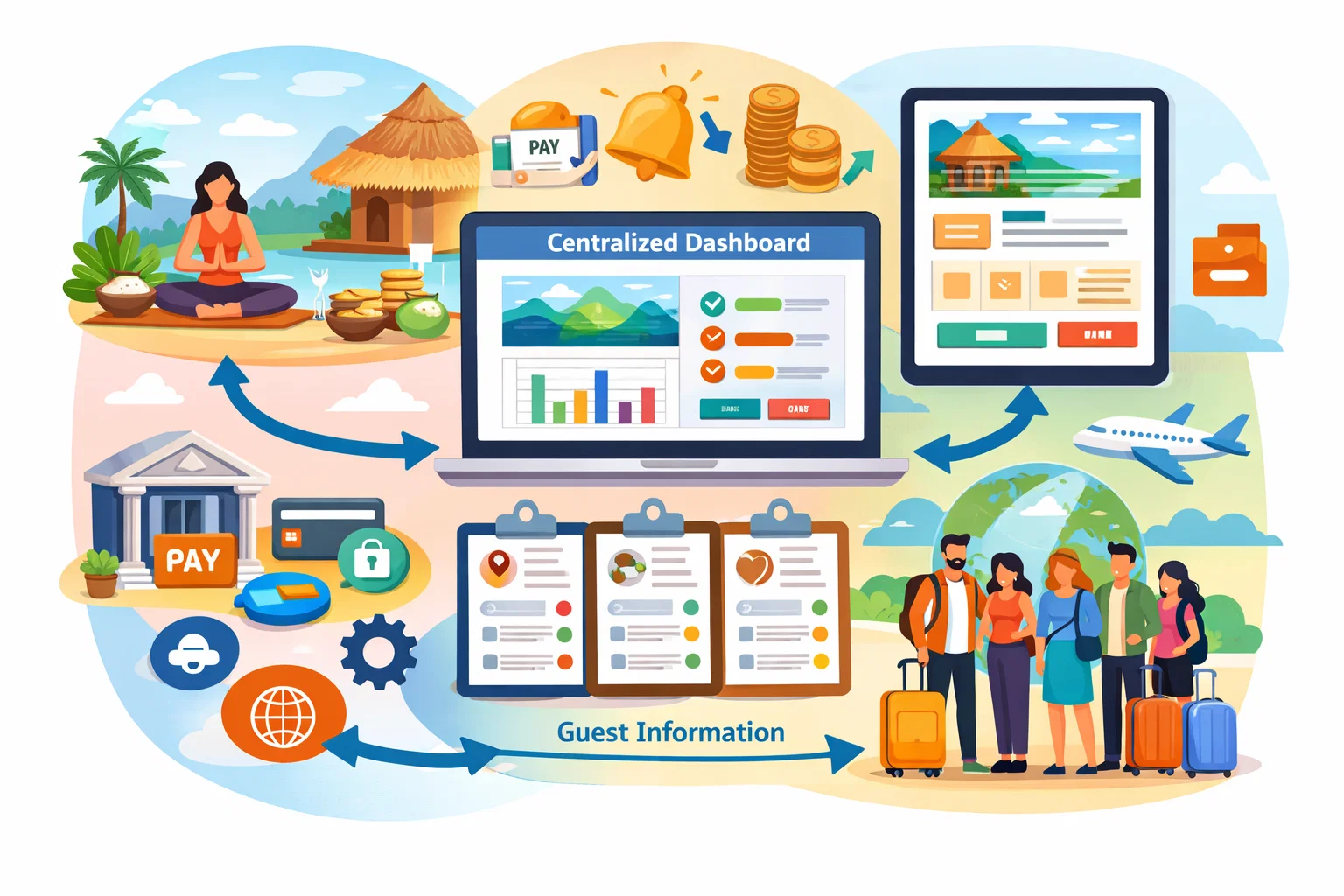
Clear intake forms help you collect essential guest details, dietary restrictions, medical conditions, or accessibility needs. SquadTrip simplifies this by centralizing consent, dietary requirements, and waiver management, ensuring no detail slips through.
Itineraries and Daily Updates
Guests value clarity. Share itineraries digitally with real-time updates through SquadTrip. Whether it is a meditation session, contemplative practices, or spa treatments for relaxation, having everything in one place builds trust and enhances the retreat experience.
Integrate After the Retreat
The impact of spiritual retreats does not end when guests leave the retreat house or retreat centers. Integration is essential for lasting transformation.
Reflection Prompts, Community Meetups, and Alumni Paths
Offer reflection prompts after the retreat to help participants apply insights to everyday life. Encourage ongoing spiritual practices like lectio divina, contemplative prayer, or centering prayer. Build alumni groups or community meetups so guests continue their spiritual journey together. A spiritual community keeps the deeper connection alive long after the retreat concludes.
Choosing the Right Retreat Location
Selecting a retreat location is about more than looking at Google map entries. In fact, your venue selection will affect how you price your retreat and how you can market it. Consider whether the environment supports inner peace. Mountains, forests, or oceans connect guests with the natural world, while urban retreat centers may better suit short personal retreats. Whatever you choose, ensure the space aligns with your spiritual retreat ideas.
Popular Spiritual Retreat Types
Want to host a retreat that makes money? Plan a theme that hits the right notes with your target audience. Many retreats follow familiar formats, but each offers unique opportunities for hosts.
- Meditation retreat: Focused on mindfulness and silent meditation.
- Women’s retreat: Creates safe spaces for female spiritual growth.
- Christian retreats: Integrate prayer, scripture, and worship practices.
- Personal retreat: Solo or guided time for self reflection and rest.
Each retreat type can be tailored with spiritual practices, physical activities, and quiet time for healing and well being.
What Happens at a Spiritual Retreat?
Guests often ask what to expect. The answer depends on retreat type, but most retreats offer:
- Daily meditation or prayer practice
- Periods of silence for deep focus
- Small group circles or guided sessions
- Walks in nature for renewal
- Opportunities for journaling or creative expression
This rhythm provides both structure and freedom, balancing rest with transformative experiences.
Supporting Guests Through Logistics
Managing payments, waivers, and communication can overwhelm first-time hosts. SquadTrip helps you automate signups, handle payments, and send updates. From the first retreat you run, having operations streamlined allows you to focus on facilitation rather than administration.
Integrating Wellness and Spiritual Practices
Wellness retreats often overlap with spiritual retreats, offering yoga, meditation, and nourishing meals. You might add spa treatments, gentle yoga, or mindful walks in nature to support both body and soul. This integration makes the retreat experience more holistic and life changing.
The Role of a Spiritual Director
Some hosts collaborate with a spiritual director to provide expert guidance. Directors can introduce contemplative practices, lead prayer, or help participants explore their true self. Whether you are running christian retreats or silent retreats, a director deepens the program with structured spiritual guidance.
Balancing Structure and Space
Avoid overloading guests with too many sessions. Retreats offer rest and reflection when balanced with open space. Encourage quiet, unstructured time to walk, journal, or simply spend time with friends. Creating moments of space ensures participants return to daily life refreshed rather than exhausted.
Aftercare and Ongoing Practices
To help guests integrate, share practices they can continue at home. Encourage prayer, meditation, or journaling as part of a regular routine. Suggest that guests wear comfortable clothing and create their own personal retreat days for ongoing healing.
Marketing Your Retreat with Clarity
When promoting your event, communicate outcomes clearly. Instead of advertising activities, focus on what guests will gain: inner peace, self reflection, or a deeper connection to their soul. Use your retreat name, imagery, and copy to reflect transformation, not just logistics.
Closing and Invitation
Spiritual retreats offer transformative experiences that help people escape distractions and focus on the most important thing, their inner life. By combining intentional program design with smooth operations, you can facilitate retreats that create lasting well-being.
Create space for growth. Let SquadTrip handle the logistics while you focus on guiding the journey. Start for free!
Frequently Asked Questions
Q1. How do I choose the right theme or purpose for my spiritual retreat?
A. Start with your own intention what do you want participants to experience or discover? A clear purpose helps define your program, from meditation and journaling to prayer and group sharing. It also attracts guests who resonate with that goal.
Q2. What’s the ideal balance between structured sessions and free time during a retreat?
A. Guests appreciate a rhythm that blends guided practices (like meditation, yoga, or small group circles) with quiet, unstructured time. The best retreats feel peaceful not packed with back-to-back activities.
Q3. How do I make the retreat experience inclusive for guests with special needs or dietary restrictions?
A. Use tools like SquadTrip to collect this information in advance. Intake forms and consent management help you track accessibility needs, meal preferences, or medical notes ensuring every guest feels cared for.
Q4. Can I combine wellness elements like yoga and spa treatments with spiritual practices?
A.Yes many retreats do. Gentle yoga, mindfulness walks, and nourishing meals complement prayer, meditation, and silence beautifully. Just keep the experience balanced so wellness supports, not distracts from, spiritual growth.
Q5. What common mistakes do new retreat hosts make?
A. Overloading the schedule, ignoring guest communication, or skipping post-retreat follow-ups are common issues. Using a retreat management platform like SquadTrip helps prevent these by keeping waivers, payments, and updates organized in one place.