
TL;DR
-
Choosing the right yoga retreat venues can make or break the retreat experience
-
The best venues balance location, atmosphere, accessibility, and budget
-
Different retreat goals require different types of spaces, from nature-based to urban retreats
-
Clear logistics, accommodation details, and policies matter as much as aesthetics
-
First-time hosts should prioritize simplicity, clarity, and ease of coordination
-
SquadTrip helps yoga retreat hosts manage payments, bookings, and attendee communication in one place
Introduction
Planning a yoga retreat starts with one big decision: choosing the right yoga retreat venues. Within the first few minutes of browsing your retreat page, potential attendees decide whether your retreat feels calming, trustworthy, and worth their time and money. The venue plays a huge role in that decision.
A yoga retreat venue is more than a location. It shapes the energy of the retreat, the daily schedule, the level of comfort, and even how connected participants feel to the practice. Whether you are hosting your first retreat or planning your tenth, finding the right space requires clarity, research, and realistic expectations.
This guide walks you through how to choose yoga retreat venues that support your retreat goals, fit your budget, and create a meaningful experience for your attendees.
Planning a yoga retreat? SquadTrip makes it easy to collect payments, manage bookings, and keep everyone aligned.
Why Choosing the Right Yoga Retreat Venue Matters
A yoga retreat is not just about yoga classes. It is about creating an environment where people can slow down, reconnect with their bodies, and step away from daily distractions. The venue sets the tone before the first mat is rolled out.
The right venue helps you:
-
Create a calm and focused atmosphere
-
Support your retreat schedule without friction
-
Reduce logistical stress for both you and attendees
-
Build trust and confidence in your retreat offering
On the other hand, the wrong venue can lead to issues like noise, poor accommodation, limited space, or unexpected costs. These problems distract from the practice and can impact reviews, referrals, and repeat attendance.
What Makes a Great Yoga Retreat Venue
Not all retreat spaces are created equal. While Instagram photos matter, practical considerations matter more. A strong yoga retreat venue supports both the physical practice and the overall retreat experience.
Here are the core elements to look for.
A Dedicated Yoga Practice Space
The practice space should be:
-
Large enough for the group size you are planning
-
Well-ventilated with natural light if possible
-
Quiet and separate from high-traffic areas
-
Suitable for mats, props, and movement
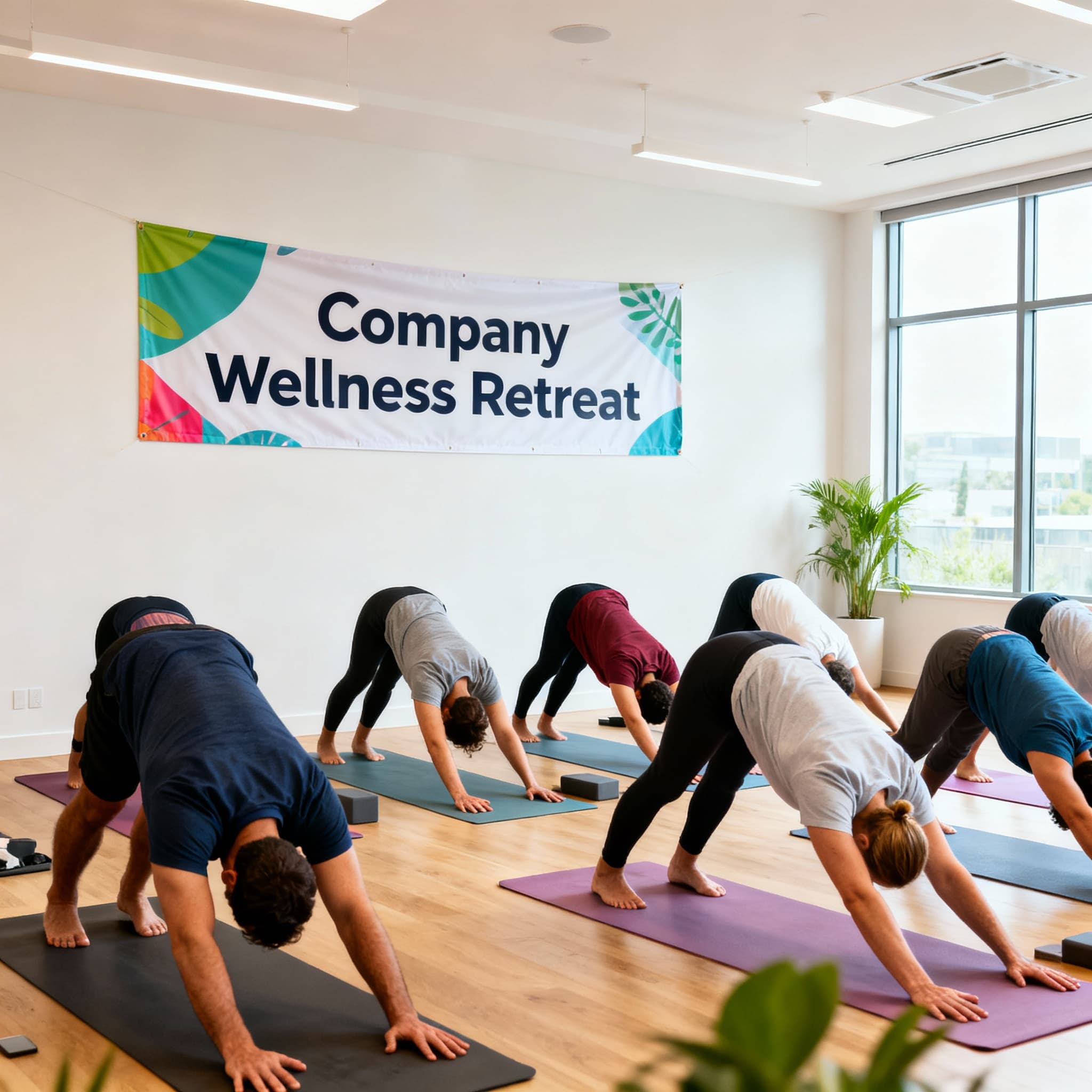
Some venues offer open-air shalas, while others have indoor studios. Both can work, as long as weather, noise, and safety are considered.
Comfortable Accommodation
Your attendees will spend a lot of time resting, sleeping, and reflecting. Accommodation should feel clean, safe, and comfortable.
Key things to check:
-
Room sharing options and private rooms
-
Bathroom access and cleanliness
-
Bedding quality and storage space
-
Distance between rooms and practice areas
Being clear about accommodation details upfront helps manage expectations and avoids confusion later.
Food That Supports the Practice
Meals are a big part of the retreat experience. Many yoga retreat venues offer vegetarian or plant-based meals that align well with yoga practices.
Ask about:
-
Meal frequency and portion sizes
-
Dietary accommodations
-
Meal timings and flexibility
-
On-site vs outsourced catering
Food quality directly affects energy levels, satisfaction, and overall retreat mood.
Types of Yoga Retreat Venues to Consider
Different retreats call for different settings. Understanding the types of yoga retreat venues available helps you narrow down options faster.
Nature-Based Yoga Retreat Venues
Nature-based venues are popular for yoga retreats because they encourage disconnection from daily life and connection with the environment.
Mountain Retreat Centers
Mountain venues offer quiet, cooler temperatures, and scenic views. They work well for retreats focused on meditation, breathwork, and slow-paced practices.
Pros:
-
Peaceful surroundings
-
Minimal distractions
-
Ideal for longer retreats
Cons:
-
Travel may be challenging
-
Limited accessibility for some attendees
Beachside Yoga Retreat Venues
Beach locations create a relaxed and open atmosphere. Morning and sunset sessions by the sea are especially appealing.
Pros:
-
Natural beauty
-
Easy marketing appeal
-
Works well for energizing practices
Cons:
-
Weather dependency
-
Tourist crowds in peak seasons
Forest and Countryside Retreats
These venues offer privacy and grounding energy without extreme travel requirements.
Pros:
-
Balanced accessibility
-
Quiet and private
-
Often more affordable
Cons:
-
Fewer luxury amenities
-
Limited local attractions
Urban and Accessible Yoga Retreat Venues
Not all yoga retreats need to be remote. Urban or semi-urban venues can work well for shorter or beginner-friendly retreats.
Boutique Hotels and Guesthouses
These venues combine comfort with convenience and often require less coordination.
Pros:
-
Easy access
-
Reliable infrastructure
-
Shorter planning time
Cons:
-
Less privacy
-
Potential noise
Dedicated Yoga Studios With Accommodation Partners
Some studios partner with nearby accommodations, allowing flexibility in pricing and room options.
Pros:
-
Strong practice-focused spaces
-
Flexible group sizes
-
Familiar setup for beginners
Cons:
-
Split logistics
-
More coordination needed
Urban venues are ideal for weekend retreats, first-time hosts, or retreats designed for local audiences.
How to Match Yoga Retreat Venues With Your Retreat Goals
Before you start shortlisting venues, get clear on what your retreat is designed to offer.
Ask yourself:
-
Is this a restorative retreat or an intensive practice retreat?
-
Are attendees beginners, intermediate, or advanced practitioners?
-
Is the focus on yoga alone or yoga plus experiences?
Your answers guide your venue choice.
Retreats Focused on Rest and Recovery
Look for venues with:
-
Quiet surroundings
-
Comfortable beds and private spaces
-
Minimal activity schedules
Retreats Focused on Learning and Growth
Prioritize:
-
Spacious practice areas
-
Reliable Wi-Fi if needed
-
Comfortable seating for workshops
Retreats With Add-On Experiences
If your retreat includes hikes, cultural activities, or wellness therapies, choose venues close to those experiences or with in-house options.
Location and Accessibility Considerations
A beautiful venue means little if people struggle to get there. Accessibility affects attendance, pricing, and attendee satisfaction.
Consider:
-
Distance from the nearest airport or major city
-
Road conditions and transport options
-
Arrival and departure coordination
Clear arrival instructions reduce anxiety for attendees and save you time answering repetitive questions.
Budgeting for Yoga Retreat Venues
Venue costs often make up the largest portion of your retreat budget. Understanding pricing structures helps you plan realistically.
Common Pricing Models
-
Per person per night
-
Flat group rate
-
Package pricing including meals and activities
Always ask what is included and what is extra.
Hidden Costs to Watch For
-
Taxes and service charges
-
Cleaning fees
-
Use of yoga props
-
Overtime charges for practice spaces
Build a buffer into your pricing to avoid last-minute stress.
Evaluating Yoga Retreat Venues Before Booking
Before signing any agreement, do your homework.
Ask the Right Questions
-
What is the maximum group size?
-
Are there quiet hours or restrictions?
-
What is the cancellation policy?
-
Can you visit the venue in advance or do a virtual tour?
Read Reviews Carefully
Look beyond star ratings. Focus on comments about cleanliness, staff support, and communication.
Get Everything in Writing
Confirm inclusions, payment schedules, and policies via email or contract to avoid misunderstandings.
Managing Bookings and Payments for Yoga Retreats
Once you have selected your yoga retreat venue, the next challenge is managing attendees.
Common issues include:
-
Chasing deposits
-
Tracking who has paid and who has not
-
Answering repeated questions about logistics
This is where having a system matters.
SquadTrip lets yoga retreat hosts collect payments, offer payment plans, track attendees, and share updates without spreadsheets or manual follow-ups.
Creating a Clear Retreat Listing That Matches the Venue
Your retreat page should reflect the venue accurately.
Include:
-
Real photos of the space
-
Clear room and pricing options
-
What is included and what is not
-
Arrival and departure details
Clear listings build trust and reduce last-minute cancellations.
Common Mistakes When Choosing Yoga Retreat Venues
Even experienced hosts make mistakes. Avoid these common pitfalls.
Choosing Aesthetic Over Function
A venue may look stunning but lack proper practice space or comfort.
Underestimating Travel Challenges
Long or complex travel reduces attendance and increases stress.
Overcommitting on Capacity
Filling every available bed can impact comfort and experience quality.
Ignoring Policies
Unclear cancellation or refund terms can lead to disputes.
Yoga Retreat Venues for First-Time Hosts
If this is your first retreat, keep things simple.
Look for venues that:
-
Have experience hosting retreats
-
Offer all-inclusive packages
-
Provide on-site support
Start small. A well-run retreat with fewer attendees builds confidence and reputation faster than a large, chaotic one.
How SquadTrip Supports Yoga Retreat Hosts
Finding the right yoga retreat venue is only half the work. Managing people, payments, and communication is the other half.
With SquadTrip, you can:
-
Track attendees and room selections
-
Share schedules, updates, and reminders
-
Reduce manual coordination
Everything stays in one place, making your retreat easier to run and more professional for attendees.
Conclusion: Choose Yoga Retreat Venues That Support the Experience
The best yoga retreat venues do more than look good in photos. They support the flow of the retreat, the comfort of attendees, and your ability to host with confidence.
Take time to define your retreat goals, understand your audience, and evaluate venues beyond aesthetics. A thoughtful venue choice leads to better experiences, stronger reviews, and repeat attendance.
Once your venue is set, let SquadTrip handle the logistics so you can focus on what matters most: holding space, teaching yoga, and creating a retreat your attendees will remember.
Ready to plan your yoga retreat? Use SquadTrip to manage bookings, payments, and communication with ease.
FAQs About Yoga Retreat Venues
What should I look for in yoga retreat venues?
Look for venues that offer a quiet environment, a dedicated yoga practice space, comfortable accommodation, and meals that support a yoga lifestyle. Accessibility, safety, and clear policies are just as important as aesthetics.
How far in advance should I book a yoga retreat venue?
Most yoga retreat venues should be booked at least 3 to 6 months in advance, especially for peak seasons. Popular locations and smaller retreat centers often fill up quickly.
Are yoga retreat venues suitable for beginners?
Yes. Many yoga retreat venues are designed for mixed experience levels. When choosing a venue, make sure the practice space and accommodation are comfortable for people who may be new to retreats or yoga practice.
How many people can a yoga retreat venue accommodate?
Capacity varies by venue. Some yoga retreat venues host small groups of 8 to 12 people, while others can handle 30 or more. Always confirm the maximum group size and avoid overcrowding to maintain comfort.
What is usually included in yoga retreat venue pricing?
Pricing often includes accommodation, meals, and use of the yoga space. Some venues also include yoga props, housekeeping, and basic wellness activities. Always ask for a detailed breakdown to avoid surprises.