TL;DR: Why Nutrition Is the Secret Ingredient of Transformational Retreats
Retreat meal ideas aren’t just about feeding guests – they’re about fueling focus, healing, and connection in your retreat menu. The right meals can:
- Support your retreat’s physical and emotional goals
- Reflect your values around wellness, sustainability, or culture
- Delight your guests and elevate your brand
- Create moments of shared connection and mindful presence
Done well, integrating nutrition into your retreat while considering dietary restrictions boosts the overall guest experience and supports long-term business success.
The Best Retreat Meal Ideas and Tips to Make Them Happen
Did you notice the last three letters of retreat are E-A-T?
Food is a powerful part of the retreat experience – that’s why retreat meal ideas matter. Thoughtful, nourishing meals do more than fill plates – they shape energy levels, deepen group bonding, and help attendees feel cared for.
How to craft exceptional meal plans that align with your goals and values is important. Find sample menus, practical checklists, and tools to help you get it right – without overwhelm.
Keep It Fun and Delicious for Every Guest
Retreat food should feel like a treat – not a compromise. Don’t be afraid to make it fun, beautiful, and full of delicious variety. A well-built retreat menu can surprise guests with plant-based comfort foods one day and ethically sourced meat dishes the next.
Lunch could be a rainbow salad with roasted beets and goat cheese or a steaming bowl of Thai curry with coconut rice.
Remember to Add Seasonal Touches
Add seasonal touches, use local ingredients when you can, and keep the menu flexible so you can easily sub in something fresh from the farmers’ market. A few signature recipes guests ask for after the retreat? That’s a sign you nailed it.
Why Retreat Menus Matter for Retreat Hosts
Key Benefits of Thoughtful Retreat Meals
1. Enhance Guest Energy and Mood
Nutritious meals seasoned with salt keep blood sugar stable and support nervous system regulation. That means more focus during workshops and fewer energy crashes in the afternoon.
2. Support the Theme and Intent of Your Retreat
If your retreat is centered on mindfulness, stress relief, or spiritual growth, your food should support that, adding flavor to the overall experience. Think anti-inflammatory ingredients, caffeine-free herbal teas, or grounding meals timed before deep sessions.
3. Reduce Dietary Stress and Accommodate Needs
Today’s guests often come with food allergies, preferences, or health goals. When you integrate nutrition planning early, including options for meat you avoid last-minute surprises and show your commitment to their well-being.
4. Elevate Your Brand as a Thoughtful Host
Retreats are all about the details. A beautiful, aligned, and personalized meal plan signals to guests that your experience is premium and professionally planned.
Common Mistakes to Avoid
1. Not Gathering Dietary Information Early
You need to collect dietary preferences and restrictions well before your start date. Use your registration form or SquadTrip’s built-in intake tools to track allergies, intolerances, and food philosophies.
2. Overestimating Your Kitchen or Venue Capabilities
Always confirm what your venue can and can’t do. Can they handle vegan and gluten-free simultaneously? Do they allow outside caterers? Plan ahead to avoid surprises.
3. Skipping Snacks and Hydration Breaks
Guests get tired, especially during emotional or movement-based retreats. Small snacks, including juice and beverages, throughout the day support focus and satisfaction.
4. Letting Meal Quality Slide to Cut Costs
Budget constraints are real – but meals are not where you should cut corners. A retreat can have a modest location, but memorable meals will always be a highlight.
Practical Tips and Strategies
Step-by-Step Guidance
Step 1: Define Your Nutrition Philosophy
Ask: What does “healthy” mean for your audience, and how will you cook to meet those needs? Are you leaning toward plant-based? Ayurvedic? Paleo-inspired? Build a framework that aligns with your program.
Step 2: Collect Food Preferences in Advance
Use a system like SquadTrip’s registration forms to gather guest info and prep for their dietary needs. Ask about:
- Allergies (e.g., nuts, gluten, dairy)
- Preferences (e.g., vegetarian, low-carb)
- Medical needs (e.g., diabetic-friendly, anti-inflammatory)
Step 3: Choose the Right Caterer or Chef
Look for partners who understand retreat-style nutrition. Bonus if they can help you design meals aligned with mindfulness, digestion timing, and energy regulation.
Step 4: Plan Around Your Daily Schedule
Coordinate meals with session flow. For example:
- Light breakfast before movement
- Hearty lunch to ground after emotional work
- Lighter, calming dinner to wind down
Step 5: Don’t Forget the Details
Include:
- Herbal teas
- Fruit-infused water
- Gluten-free options
- Gut-friendly snacks (nuts, fermented foods)
- Elegant plating or buffet style, based on your audience
Build a Retreat Menu That Reflects Flavor, Nutrition, and Ease
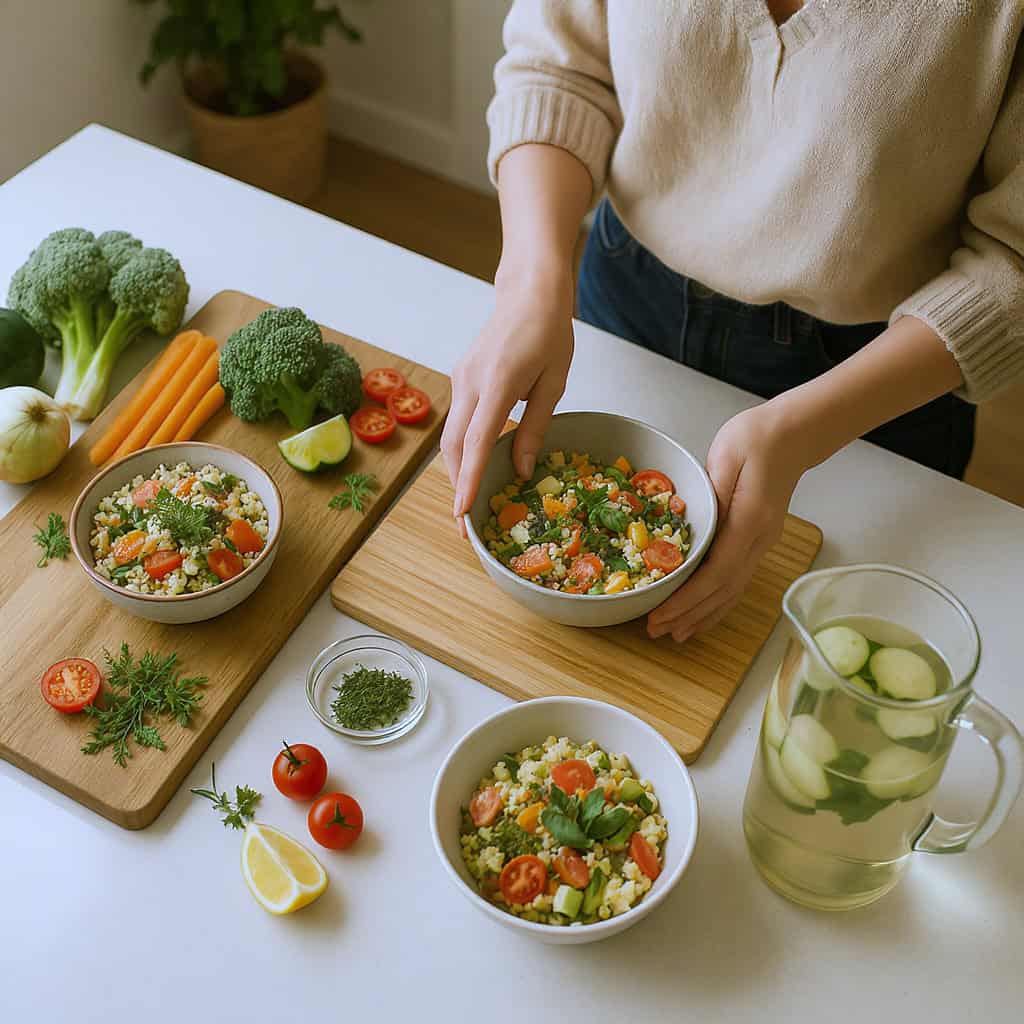
A standout retreat menu doesn’t require a professional chef – just thoughtful planning and balance. Create a lineup that includes fresh vegetables, fruit, healthy options, and at least one comfort food per day.
Offer classic ingredients like eggs and coffee at breakfast, hearty yet clean proteins like grilled chicken or lentils for lunch, and calming teas and light grains at dinner. Even at a yoga retreat, where guests might expect lighter fare, you can serve dishes full of flavor, substance, and intention. Be sure to serve meals that energize without overwhelming.
Keep Dietary Restrictions in Mind (Gluten Free, Vegan, Etc…)
Include a few crowd-pleasing vegan or gluten-free options in every meal to support dietary restrictions without making them feel like an afterthought.
Sample Retreat Meal Ideas
Morning
- Chia pudding with coconut milk, berries, and almonds
- Herbal teas (peppermint, rooibos, ginger)
- Green smoothies with spinach, pineapple, and protein powder
Afternoon
- Quinoa salad with roasted vegetables and tahini dressing
- Grilled salmon with arugula and citrus vinaigrette
- Vegan lentil soup with sourdough
Evening
- Kitchari (mung beans and rice) with steamed greens
- Baked sweet potatoes with black beans and avocado
- Broth-based soups and warm golden milk
Snacks
- Hummus with carrots and cucumbers
- Dates stuffed with almond butter
- Herbal tea and dark chocolate bites
Save Time With Prep-Ready Recipes and Simple Cooking Strategies
Time is limited during retreats – especially when you’re juggling programming, guest questions, and logistics. Design your meals around ingredients that are easy to batch prep or cook ahead. Save time by prepping dressings, roasting veggies, and mixing grains before guests arrive.
Look for recipes that rely on just a few high-quality ingredients and pantry staples like salt, pepper, and warm spices to elevate the final recipe. When in doubt, keep the cooking simple and seasonal. Baked oatmeal with cinnamon and berries, veggie frittatas, or grain bowls with roasted squash and tahini dressing are low-effort, high-impact dishes that travel well from kitchen to table.
How SquadTrip Can Help
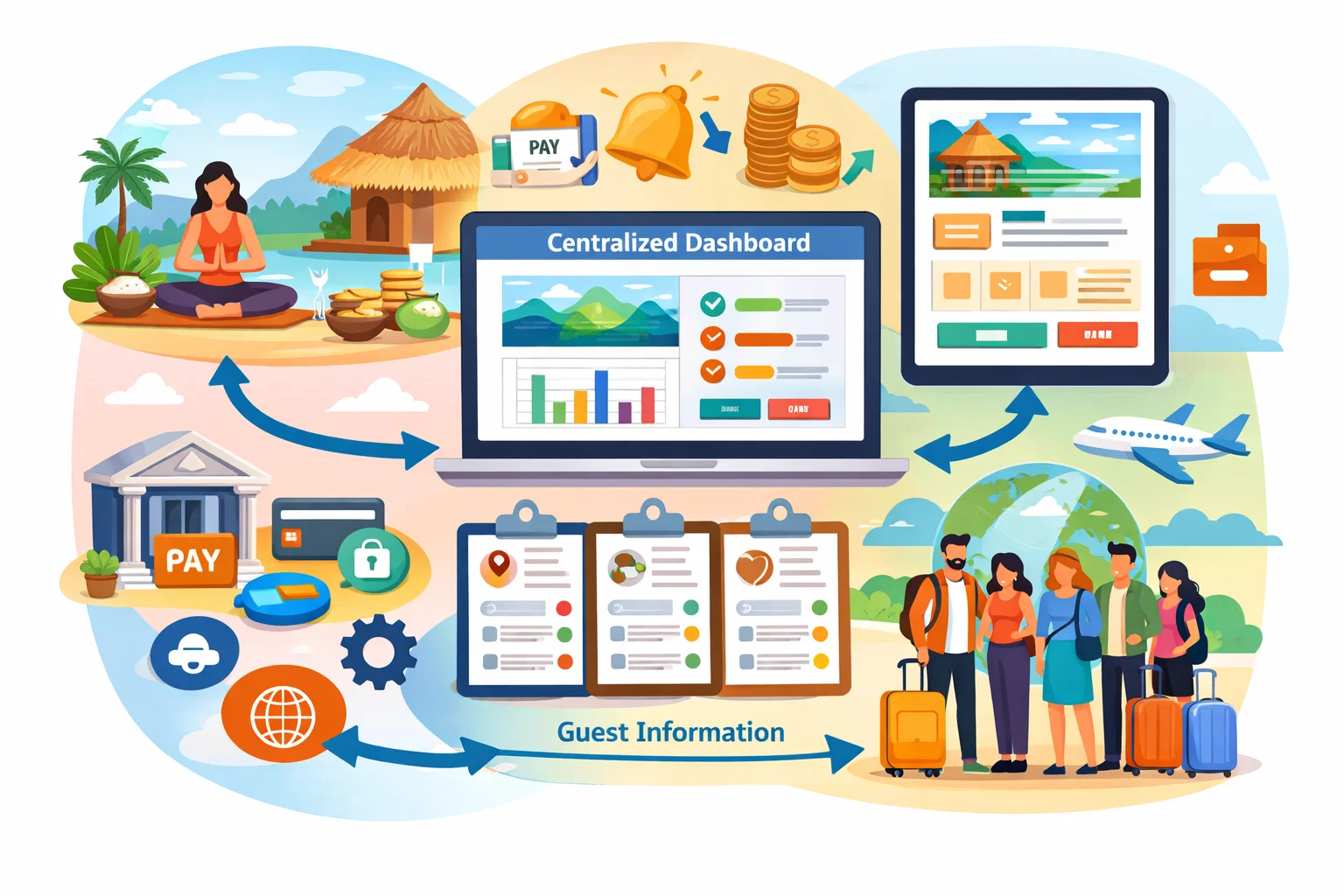
Meal planning is one of the most logistically complex parts of running a retreat. SquadTrip helps by simplifying the process:
- Collecting dietary info during registration
- Including meal plans in your retreat itinerary
- Tracking catering costs in your event budget
- Communicating with chefs, venues, and guests
From registration forms to daily schedules, SquadTrip lets you run a retreat like a pro – without getting lost in spreadsheets.
Create Meals That Nourish, Connect, and Inspire
Whether you’re leading a silent meditation retreat, a coaching mastermind, or a creative writing weekend, food matters. Great retreat meal ideas, including diverse recipes, bring your theme to life – they create comfort, spark conversation, and give guests the energy they need for transformation.
Use these strategies to build your menu with intention and heart.
Next Steps: Feed the Vision
Start by mapping your retreat’s emotional and physical flow – when do guests need grounding, uplift, or calm?
- Use SquadTrip to manage logistics and guest intake
- Download our full Retreat Planning Guide
- Consider your food values as a brand – organic, local, regenerative, seasonal? Your guests notice.
Want help making your retreat easier, tastier, and more aligned, perhaps with options for coffee? Start your free SquadTrip account today and build unforgettable experiences with zero tech stress.
Frequently Asked Questions
Q1. Why is nutrition important for retreats?
A. Because food doesn’t just fill a stomach it fuels energy, supports focus, stabilizes mood, and helps guests feel cared for. A well-planned menu can elevate the whole retreat experience.
Q2. How do I include dietary restrictions without making guests feel like “extra”?
A. Offer a few crowd-pleasing vegan, gluten-free, and allergen-friendly options in every meal so those needs aren’t side afterthoughts. Make them integrated.
Q3. How do I simplify cooking logistics during a retreat?
A. Use prep-friendly recipes (batch cook, roast veggies in advance, mix dressings ahead). Keep ingredient lists short. Use local & seasonal produce. Lean on dishes that travel well and are forgiving.
Q4. What common mistakes do hosts make when planning retreat meals?
A. Some of the common pitfalls include:
-
Not gathering dietary info in advance
-
Overestimating what the venue kitchen can handle
-
Skipping snacks and hydration breaks
-
Cutting quality in food to save budget
Q5. How can I use meals to reflect my retreat’s theme or brand?
A. You can build a “nutrition philosophy” (e.g. plant-based, Ayurvedic, anti-inflammatory) that aligns with your intent. Use local/seasonal foods, signature recipes, and menu narratives that support the theme (e.g. grounding dinners, light cleansing breakfasts).