TL;DR
-
A wild swimming retreat works well when you choose a safe, accessible water location and plan around weather, entry points, and guest comfort.
-
Bring trained safety support, set simple rules, and share a clear packing list so guests know exactly what to expect.
-
Build an itinerary with sunrise dips, guided sessions, gentle activities, and enough rest so the retreat feels calm instead of rushed.
-
When the structure is solid, you can focus on helping guests enjoy nature, feel confident in open water, and leave with a sense of renewal.
Introduction
Wild swimming retreat planning has become one of the most refreshing ways to bring people together, disconnect from routines, and reconnect with nature. These retreats blend cold water therapy, scenic landscapes, community bonding, and simple outdoor joy. Whether you are a retreat host, travel planner, or someone building their first nature based getaway, this guide walks you through everything you need to know.
Wild swimming retreats are not like regular wellness events. You are working with open water settings, changing weather, varied guest experience levels, and safety considerations that matter far more than in indoor environments. With the right planning, these retreats become powerful experiences that help people feel grounded, calmer, and physically energized.
Below is a step by step breakdown on how to design a retreat that feels organized, safe, and memorable.
Planning a wild swimming retreat? SquadTrip helps you manage sign-ups and payments in one place.
Why Wild Swimming Retreats Are Gaining Popularity
More travelers are seeking natural experiences and slow travel. They want trips that feel restorative instead of fast paced. Wild swimming provides a unique combination of mindfulness, nature immersion, and physical challenge.
Cold water swimming has also gained attention because of its health benefits. People often report improved mood, reduced stress, better focus, and a deep sense of accomplishment.
Retreats give hosts the chance to structure those benefits in a safe and supportive environment instead of people trying these activities alone.
Choosing the Right Location for Your Wild Swimming Retreat
Location is the heart of the retreat. The water source, surroundings, accessibility, and local climate determine the entire experience.
Here are the factors to evaluate.
1. Pick the Right Water Type
Each type of open water environment creates a different atmosphere.
– Lakes
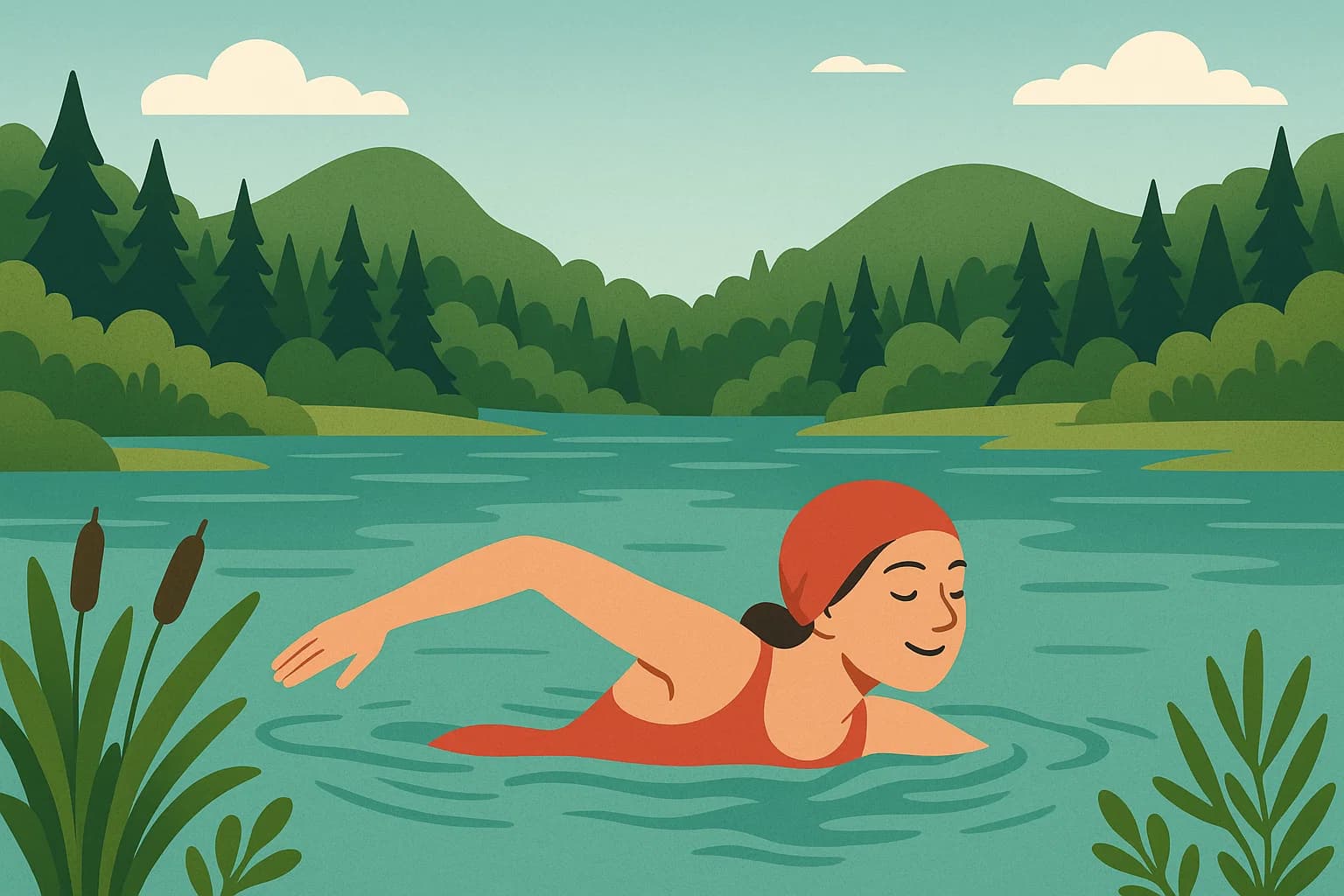
Calm surface, minimal current, easy for beginners. Lakes are ideal for group sessions, morning dips, and gentle cold water practices.
– Rivers
Flowing water creates a sense of motion and refreshment. Rivers can vary in depth and speed, so safety checks are essential.
– Coastal spots
Sea pools, sheltered coves, and quiet beaches offer a dramatic setting. The tides and waves must be studied carefully before planning group swims.
– Waterfalls and plunge pools
These are visually stunning and excellent for photography. They work well as optional activities rather than main swim spots due to depth and current variability.
2. Check Local Regulations
Some regions require permits for group activities near open water. Others have restrictions during certain months. Always confirm access rights and local guidelines.
3. Focus on Accessibility
Retreat guests vary in physical ability. Choose a location where:
- The walk to the water is not too steep.
- There is clear land access and exit points.
- Vehicles can reach the general area for emergency support.
4. Look for Accommodation Proximity
Guests should not need long travel times between sleeping areas and swimming sites. Ideally, everything stays within a short drive or walk.
5. Assess Year Round Weather Conditions
Wind, rainfall, temperature, and seasonal algae can affect water safety. Review weather data for the last few years and plan your event during stable months.
Safety Planning for a Wild Swimming Retreat
Safety is the most important part of the retreat. Open water carries risks that need structured planning and clear communication.
1. Hire or Consult a Water Safety Professional
A certified lifeguard, open water specialist, or outdoor safety guide should be part of your team. They can handle risk assessments, emergency procedures, and on site supervision.
2. Perform a Full Water Safety Check
Before finalizing the retreat, evaluate:
-
Water depth
-
Temperature range
-
Possible underwater hazards
-
Entry and exit points
-
Current speed
-
Nearby wildlife considerations
Do these checks multiple times, not just once.
3. Set Clear Group Safety Rules
Guests feel more comfortable when the rules are simple and confidently communicated.
Examples include:
-
No one swims alone.
-
Mandatory buddy system.
-
No diving in unknown areas.
-
Limit swim duration based on temperature.
-
No alcohol before sessions.
4. Create Emergency Plans
Every retreat should have:
-
First aid kit
-
Emergency blanket
-
Hot drinks at the exit point
-
Contact details for local emergency teams
-
A clear evacuation route
-
Staff trained in CPR
5. Manage Cold Water Shock
Cold water entry should be slow and steady. Guides should demonstrate how to breathe and relax through the first cold shock response.
6. Post Swim Warm Up
Set up areas where guests can warm up immediately. This includes:
-
Dry towels
-
Warm clothing
-
Hot beverages
-
Simple snacks
Recovery is as important as the swim itself.
Read More: How to Choose the Right Retreat Venue for Your Next Event
Essential Gear for a Wild Swimming Retreat
Guests will ask what they need to bring. A clear gear list prevents confusion and makes the experience smoother.
Here is what to include.
1. Swimwear
Standard swimsuits work, but many guests prefer thermal options during colder months.
2. Wetsuits or Neoprene Items
For colder locations, recommend:
-
Wetsuits
-
Neoprene socks
-
Neoprene boots
-
Neoprene gloves
-
Thermal hats
These extend swim time and increase comfort.
3. Towels and Robes
Hooded towels or changing robes help guests warm up quickly while staying covered.
4. Swim Caps
Bright colored caps increase visibility in open water.
5. Water Shoes
Water shoes protect feet from rocks and slippery surfaces.
6. Dry Bags and Waterproof Pouches
These help guests keep phones and small items safe.
7. Warm Clothing
Layered clothing is important for pre and post swim comfort. Encourage guests to bring fleece tops, soft joggers, and insulated jackets.
8. Basic Safety Gear for Hosts
Hosts should have:
-
Throw rope
-
Floatation aids
-
Whistle
-
Waterproof first aid kit
-
Emergency phone or satellite device for remote areas
Designing the Itinerary for Your Wild Swimming Retreat
Your retreat itinerary sets the pace and structure for the entire experience. A balanced schedule helps guests enjoy the swims without feeling rushed or exhausted.
Here is how to build it.
1. Start with an Orientation Session
This can include:
-
Retreat goals
-
Location overview
-
Rules
-
What to expect during swims
-
Safety reminders
It helps guests feel comfortable right away.
2. Plan Multiple Swim Sessions
Offer a mix of:
-
Sunrise dips
-
Guided cold water sessions
-
Technique focused swims
-
Quiet reflective swims
-
Optional challenge swims for advanced participants
This variation keeps the retreat dynamic.
3. Include Non Swim Activities
These activities help balance the physical effort:
-
Nature walks
-
Meditation circles
-
Breathwork sessions
-
Journaling breaks
-
Simple stretching or yoga
-
Bonfire evenings
4. Leave Time for Rest and Silence
Retreats should not feel packed. Silent mornings or free afternoons allow guests to slow down and enjoy the surroundings.
5. Plan for Weather Adjustments
Open water sessions can shift because of wind or rain. Add buffer time and backup plans.
6. Add Photography Moments
Guests love images from cold water sessions. If you can bring a photographer or offer simple guidelines, it adds meaning to the retreat experience.
Sample 3 Day Wild Swimming Retreat Itinerary
Below is a sample structure you can use as inspiration.
Day 1: Arrival and Gentle Introduction
-
Check in at the accommodation
-
Welcome circle and safety briefing
-
Light nature walk to explore surroundings
-
First guided evening dip in a calm lake
-
Warm dinner and reflection time
Day 2: Main Swim Sessions
-
Sunrise cold water session
-
Breakfast and rest time
-
Skill based session on breathing and technique
-
Afternoon river swim with lifeguard supervision
-
Stretching or slow yoga class
-
Group dinner and stories around a fire
Day 3: Closing Session
-
Optional morning dip
-
Reflection circle
-
Breakfast
-
Farewells and checkout
You can adjust this based on weather, group size, and location.
How to Communicate With Guests Before the Retreat
Guest communication shapes the experience even before the retreat begins.
Send emails or messages that explain:
-
What to expect physically and mentally
-
What gear to pack
-
Any required forms
-
Meeting points and timing
-
Travel instructions
-
Food or dietary notes
-
Physical readiness considerations
Clear communication reduces confusion and improves guest confidence.
Adding Local Experiences to the Retreat
Retreats feel richer when you include local culture or nature based activities.
Examples:
-
Guided forest walks
-
Visits to hot springs
-
Farm to table meals
-
Storytelling with local guides
-
Local markets or craft experiences
These help guests connect more deeply with the destination.
How to Price Your Wild Swimming Retreat
Pricing depends on location, season, guide experience, meals, and accommodation style.
Consider:
-
Fixed costs like permits, insurance, and transport
-
Accommodation type
-
Number of guided sessions
-
Professional safety support
-
Food quality
-
Additional experiences
-
Group size
Most hosts create tiered pricing, such as private rooms, shared rooms, or day passes.
Read More: What to Expect at a Surfing Retreat
Wild Swimming Retreat Essentials Checklist
Here is a simple checklist for hosts to use before launching their event.
Location
-
Safe and accessible water site
-
Permits arranged
-
Backup swim locations
-
Weather review completed
Safety
-
Trained professional on site
-
Emergency plan documented
-
First aid materials ready
-
Guest safety briefing prepared
Gear
-
Recommended packing list
-
Safety tools for hosts
-
Warm up supplies
Itinerary
-
Balanced swim sessions
-
Backup plans for weather
-
Activities that support recovery
-
Arrival and departure structure
Guest Communication
-
Clear instructions
-
Pre retreat expectations
-
Packing reminders
Final Thoughts
A wild swimming retreat can be one of the most refreshing experiences you create, both for yourself and your guests. Once you have the right location, safety plan, and schedule in place, the rest comes down to giving people a calm, meaningful time in nature. If you want the planning side to feel lighter, build your retreat on SquadTrip. You can set up payments, collect guest details, and share your itinerary in one place so you can focus on delivering the experience, not managing spreadsheets.
Ready to host your retreat without admin stress? Plan it with SquadTrip.
FAQ
1. What makes a good location for a wild swimming retreat?
A good location means safe, accessible open-water (like a calm lake, river, sheltered coastal cove), easy entry and exit, nearby accommodation, and stable weather.
2. What safety measures are essential for wild swimming?
You should have a certified water-safety professional or lifeguard, perform thorough water-safety checks (depth, currents, hazards), enforce a buddy-system, ban solo swimming or diving in unknown spots, and have first-aid/emergency gear ready.
3. How do I choose a retreat spot that’s safe for beginners who have never tried wild swimming?
Look for shallow entry points, calm water with minimal current, easy access to the shore, and warm-enough temperatures. Avoid steep drop-offs or unpredictable tides. It also helps to offer a short orientation swim so beginners get comfortable.
4. How do I keep the retreat inclusive for swimmers at mixed levels?
Offer optional shorter and longer routes, provide floatation aids, add land-based alternatives when needed, and give people freedom to choose their pace. This keeps morale high and avoids pressure.
5. Can I run a wild swimming retreat without hiring a lifeguard?
It’s strongly recommended to hire a certified open-water safety professional. Even confident swimmers underestimate natural water conditions. A trained safety lead reduces the risk for everyone.