
TL;DR:
-
Spiritual awakening retreats offer structured experiences to help individuals recover from emotional burnout and restore inner balance.
-
These retreats combine meditation, mindfulness, healing practices, and immersive experiences to support mental and emotional well-being.
-
Retreats allow participants to disconnect from daily stressors, reflect deeply, and reset priorities.
-
Choosing the right retreat depends on your goals, preferred practices, and desired level of guidance.
-
SquadTrip makes planning or attending spiritual retreats seamless by managing logistics, itineraries, and participant experiences.
**Introduction
**
Feeling emotionally drained, overwhelmed, or disconnected is a common challenge in today’s fast-paced world. Emotional burnout can affect relationships, productivity, and overall well-being. One of the most effective ways to recover is through spiritual awakening retreats, which provide a structured environment for rest, reflection, and emotional healing.
These retreats are designed to help individuals reconnect with their inner selves, explore mindfulness practices, and find clarity in life. Whether you’re seeking relief from work-related stress, personal challenges, or mental exhaustion, attending a spiritual retreat can be transformative.
In this article, we’ll explore how spiritual awakening retreats help heal emotional burnout, what to expect from such retreats, and how to choose the best one for your journey.
What Are Spiritual Awakening Retreats?
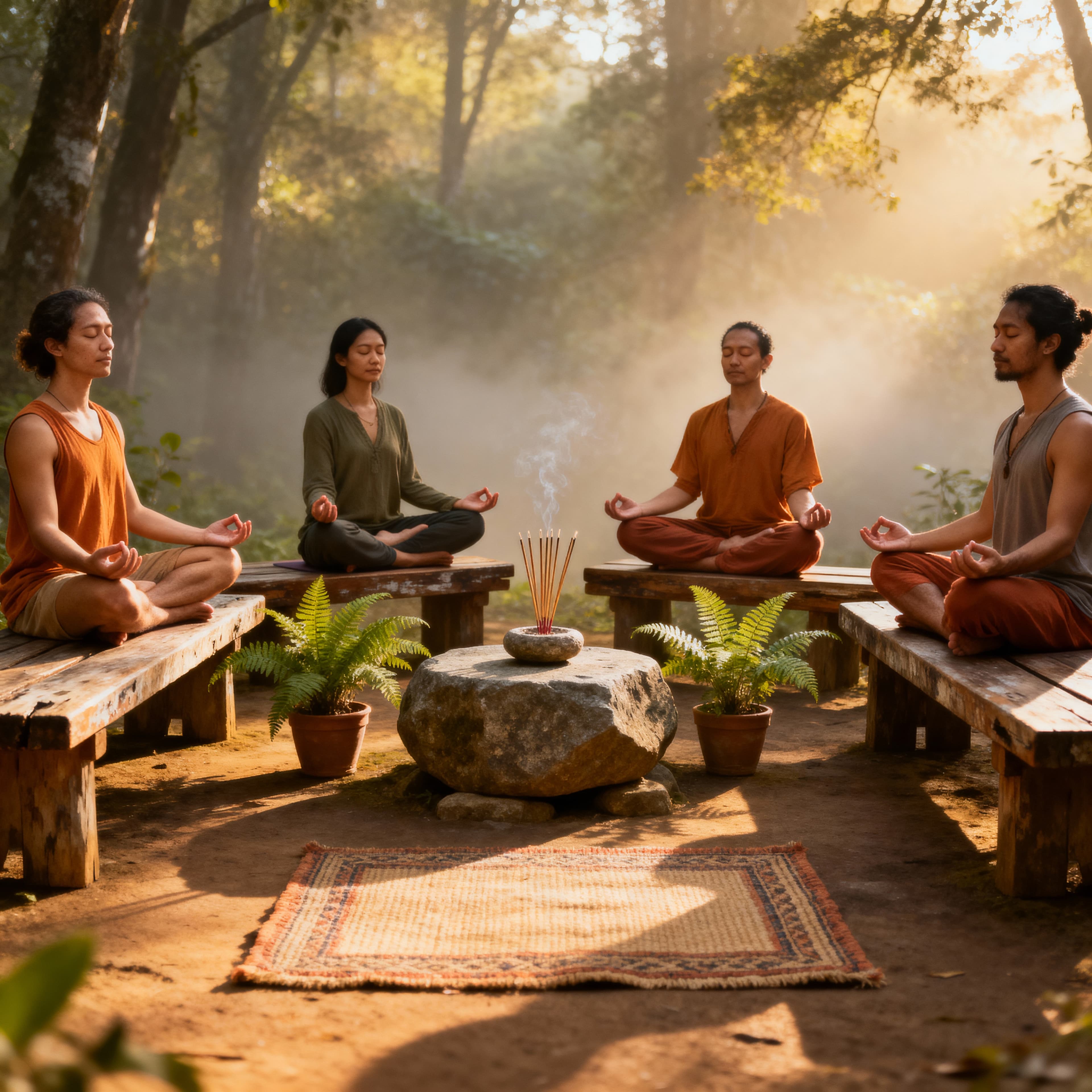
Spiritual awakening retreats are immersive experiences designed to facilitate inner growth, self-awareness, and emotional healing. Unlike typical vacations, these retreats focus on the mind, body, and spirit. Participants engage in practices that foster mindfulness, clarity, and emotional renewal.
These retreats often include:
-
Guided meditation and mindfulness sessions
-
Breathwork and energy healing
-
Yoga or movement practices
-
Journaling and reflection exercises
-
Group sharing circles and workshops
The goal is to provide a safe space to step away from daily routines, confront emotional challenges, and reconnect with one’s inner self.
Explore curated spiritual awakening retreats with SquadTrip and take the first step toward emotional healing today.
Why Emotional Burnout Happens
Understanding emotional burnout is key to recognizing why retreats can help. Emotional burnout is a state of chronic stress that can manifest as:
-
Fatigue and exhaustion
-
Anxiety or irritability
-
Feeling disconnected from oneself or others
-
Reduced motivation and creativity
-
Difficulty concentrating or making decisions
Burnout often occurs when we neglect our mental, emotional, and spiritual needs in pursuit of work, responsibilities, or societal expectations. Spiritual awakening retreats provide a structured way to step back, gain perspective, and restore emotional balance.
How Spiritual Awakening Retreats Address Burnout
Spiritual retreats address burnout on multiple levels:
1. Disconnecting from Daily Stressors
Retreats remove participants from the pressures of daily life. Being in a serene, supportive environment reduces external stress and provides a space to focus on personal growth.
2. Mindfulness and Meditation Practices
Mindfulness techniques and meditation help individuals observe their thoughts without judgment. These practices reduce anxiety, improve emotional regulation, and promote self-awareness.
3. Emotional Processing and Reflection
Retreats provide guided exercises for exploring unresolved emotions. Journaling, group sharing, and one-on-one coaching allow participants to process feelings in a safe and supportive environment.
4. Reconnecting With Purpose and Values
Emotional burnout often stems from disconnection from personal values. Retreats guide participants in exploring their life purpose, fostering clarity, and setting meaningful intentions.
5. Holistic Healing Practices
Many retreats integrate yoga, breathwork, energy healing, or sound therapy to address burnout on a physical and energetic level. These practices enhance relaxation, balance, and mental clarity.
Types of Spiritual Awakening Retreats
Spiritual awakening retreats vary widely depending on focus, setting, and practice. Understanding the types can help you choose the right experience.
1. Meditation and Mindfulness Retreats
Focus: Developing awareness, presence, and emotional balance.
Activities: Guided meditation, mindful walking, and silent reflection.
Ideal for: Individuals seeking calm, focus, and mental clarity.
2. Yoga and Movement Retreats
Focus: Releasing physical and emotional tension.
Activities: Daily yoga, breathwork, mindful movement, and energy alignment.
Ideal for: Those who want to integrate mind-body-spirit practices.
3. Nature-Based Retreats
Focus: Reconnecting with the environment and one’s inner self.
Activities: Forest bathing, nature walks, meditation in natural settings.
Ideal for: Individuals seeking grounding and emotional renewal.
4. Wellness and Healing Retreats
Focus: Deep emotional healing and personal transformation.
Activities: Therapy sessions, sound healing, energy work, and life coaching.
Ideal for: Participants looking for structured emotional recovery and self-discovery.
How to Choose the Right Retreat for You
Choosing a retreat is a personal decision. Consider the following:
1. Define Your Goals
Ask yourself: Do you want stress relief, spiritual growth, emotional healing, or a combination? Knowing your goals will guide your choice.
2. Evaluate the Retreat’s Practices
Check which activities include meditation, yoga, therapy, or energy work and see what resonates with you.
3. Consider Duration and Location
Short retreats (3–5 days) provide a reset, while longer retreats (7–14 days) allow for deeper transformation. Location also matters natural or serene settings often enhance the healing process.
4. Assess Group Size and Atmosphere
Some retreats emphasize intimacy with small groups, while others offer community experiences. Consider which environment suits your comfort and objectives.
5. Check Facilitators’ Credentials
Experienced facilitators can make a significant difference in your experience. Look for certified guides, therapists, or spiritual teachers.
Preparing for Your Spiritual Awakening Retreat
Proper preparation can maximize the benefits of your retreat.
1. Set Intentions
Write down what you hope to achieve emotional clarity, stress relief, spiritual growth, or self-discovery.
2. Disconnect from Technology
Minimizing phone and social media use allows for deeper presence and reflection.
3. Pack Mindfully
Bring items that support comfort and mindfulness: journals, meditation cushions, yoga mats, or natural clothing.
4. Cultivate an Open Mind
Approach the retreat without rigid expectations. Being open to new experiences fosters transformation and healing.
What to Expect During a Retreat
Every retreat is unique, but most share common elements:
-
Morning routines: Meditation, yoga, or breathwork to start the day.
-
Workshops and group sessions: Guided exercises and discussions for emotional processing.
-
Silent reflection periods: Time for journaling or introspection.
-
Healing practices: Sound therapy, energy work, or guided visualizations.
-
Community meals and connection: Opportunities to share experiences with others.
Participants often report feeling lighter, more centered, and more emotionally resilient after attending.
Long-Term Benefits of Spiritual Awakening Retreats
The benefits extend far beyond the retreat itself:
-
Reduced stress and anxiety
-
Improved emotional regulation and resilience
-
Greater clarity about life purpose and priorities
-
Enhanced mindfulness and self-awareness
-
Stronger connection with self and others
-
Renewed energy and creativity
Spiritual retreats are not a one-time fix but a foundation for ongoing emotional wellness.
How SquadTrip Makes Spiritual Retreats Accessible
Planning or attending a retreat can feel overwhelming. SquadTrip simplifies the process:
-
Curated retreats: Filter by focus, duration, location, and activities.
-
Centralized logistics: Manage schedules, bookings, and payments in one platform.
-
Participant onboarding: Ensure everyone knows what to expect before arriving.
-
Reviews and recommendations: Find retreats that match your goals and preferences.
With SquadTrip, you can focus on your emotional and spiritual growth without worrying about logistics
Conclusion
Emotional burnout doesn’t have to be permanent. Spiritual awakening retreats provide a transformative environment where you can disconnect from stress, reflect deeply, and reconnect with your inner self.
By choosing the right retreat, preparing intentionally, and engaging fully, you can experience profound emotional renewal, increased clarity, and lasting personal growth.
With SquadTrip, attending or planning your spiritual retreat is effortless. From finding the right retreat to managing logistics and schedules, SquadTrip ensures that your focus remains on healing and self-discovery.
Ready to heal emotional burnout and reconnect with yourself? Discover and book your ideal spiritual awakening retreat today with SquadTrip.
FAQs
1.How long should a spiritual awakening retreat last to heal emotional burnout?
Most retreats range from 3 to 14 days. Short retreats provide a reset, while longer ones allow deeper transformation.
2. Can beginners benefit from spiritual retreats?
Absolutely. Retreats are designed for all experience levels, with guided practices for newcomers.
3. Do I need prior meditation or yoga experience?
No. Most retreats offer step-by-step guidance, making practices accessible to all participants.
4. How do I choose the best retreat for my emotional needs?
Identify your goals, preferred practices, and desired group size, then compare retreats that align with these factors.
5. Are spiritual retreats safe for emotional healing?
Yes, reputable retreats have trained facilitators and structured practices to support participants’ emotional well-being.