Retreats are no longer just about wellness getaways. Today’s retreat hosts and leadership teams, who play a key role in creating intentional experiences, use them to create space for professional development, spark creativity, and build trust among participants. Whether you’re organizing a company offsite, a skill-building weekend, or a small group creative break, the right activities can make the difference between another meeting and an unforgettable shared experience.
This guide explores retreat program ideas that help teams, leaders, and the entire organization reduce stress, foster collaboration, and create lasting memories, without leaning on traditional wellness themes.
1. Leadership Team Development Retreats
Modern companies know that strong leadership and team dynamics don’t happen by accident, they’re built through shared experiences and thoughtful planning. A team-focused retreat creates space for meaningful conversations, problem solving, and professional development, allowing teams to step away from the daily grind and focus on growth.
Program Elements
- Lead team building activities like scavenger hunts, escape rooms, or outdoor challenge courses
- A team building activity such as a themed crime investigation or murder mystery to promote communication and collaboration
- A team building exercise designed to improve team cohesion, morale, and organizational values
- Problem-solving skills workshops to strengthen critical thinking and creative thinking
- Guest speaker sessions to inspire fresh ideas around company culture or leadership
- A short discussion and reflection breaks to encourage open communication
Why It Works
By investing in teamwork and leadership development, organizations create lasting memories and cultivate a culture where team members love working together and trust one another long after the retreat ends.
2. Skill-Learning & Hobbyist Retreats
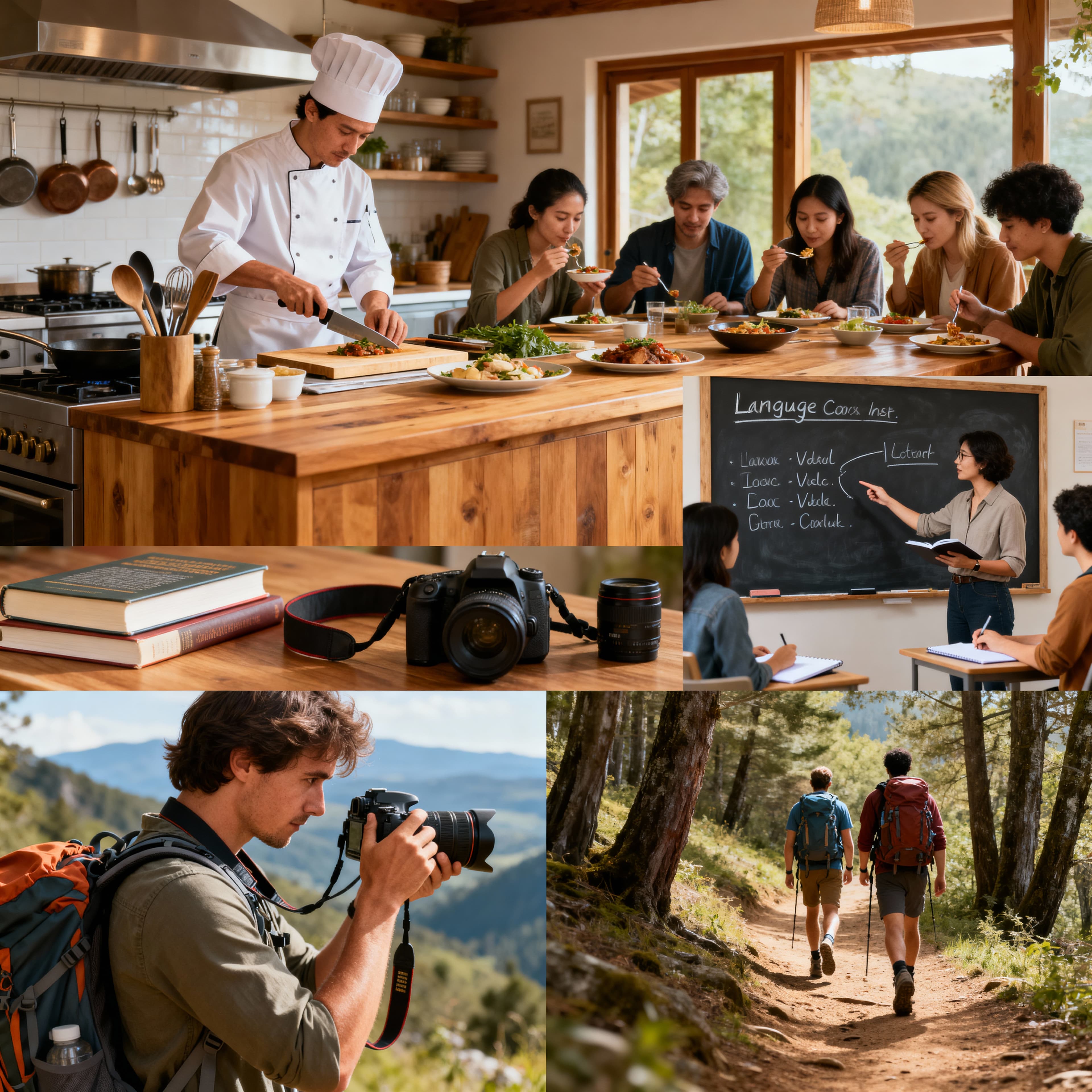
Not every retreat needs to be about corporate goals. Skill-learning and hobbyist retreats give participants the chance to explore new passions, unlock creative skills, and challenge themselves in a fun way, while also exploring new aspects of life and personal lives through engaging activities. These programs are perfect for smaller groups or independent hosts who want to create something memorable. These experiences are valuable for both personal and professional growth, as they encourage reflection on life stories and meaningful moments that shape our lives.
Program Ideas
- Cooking classes where teams collaborate on meals and share stories
- Photography or painting sessions that unlock creative thinking and personal reflection
- Maker or DIY labs that allow guests to explore problem solving, work together to complete a project, and build something tangible
- Language or storytelling workshops that strengthen communication and critical thinking by getting everyone involved in the activity
Why It Works
Participants come away with new skills and shared experiences, and hosts can customize activities to their industry or group interests—making these retreats a natural fit for creative development and lasting relationships. These experiences also encourage thoughtful reflection and help participants prepare for future challenges.
3. Creative & Artistic Immersion
When organizations need fresh ideas and breakthrough thinking, a creative retreat provides the spark. Capturing the moment of inspiration during these retreats is essential, as these pivotal experiences often lead to lasting creativity and innovation.
These programs blend fun and play with professional development, allowing leaders and teams to collaborate in new ways and see their work from different perspectives.
Activities
- Group writing or music jam sessions that encourage collaboration and team bonding
- Collaborative art installations or short-film projects to ignite creative thinking
- Innovation challenges where teams must plan, talk, and think outside the box
Why It Works
By focusing on creativity and shared exploration, these retreats develop critical thinking and problem-solving skills that teams can apply directly to their projects and company culture.
4. Spiritual and Reflection Retreats (Distinct from Wellness)
Spiritual retreats don’t need to center on wellness—they can be about personal reflection, deeper dialogue, and connecting with purpose. These retreats invite leaders and participants to slow down and focus on meaningful conversations that strengthen community and shared values. Often, this involves breaking into smaller discussion groups to encourage deeper reflection and more interactive engagement.
Program Ideas
- Guided discussions on ethics, purpose, or organizational vision
- Quiet time for journaling, meditation, or faith-based dialogue
- Group sessions to build trust and create lasting memories
- End with a short discussion to reinforce learning, reflect on experiences, and connect to core values
Why It Works
By providing space for deep discussion and personal insight, spiritual retreats help participants reduce stress, gain clarity, and return with stronger relationships and a renewed sense of direction.
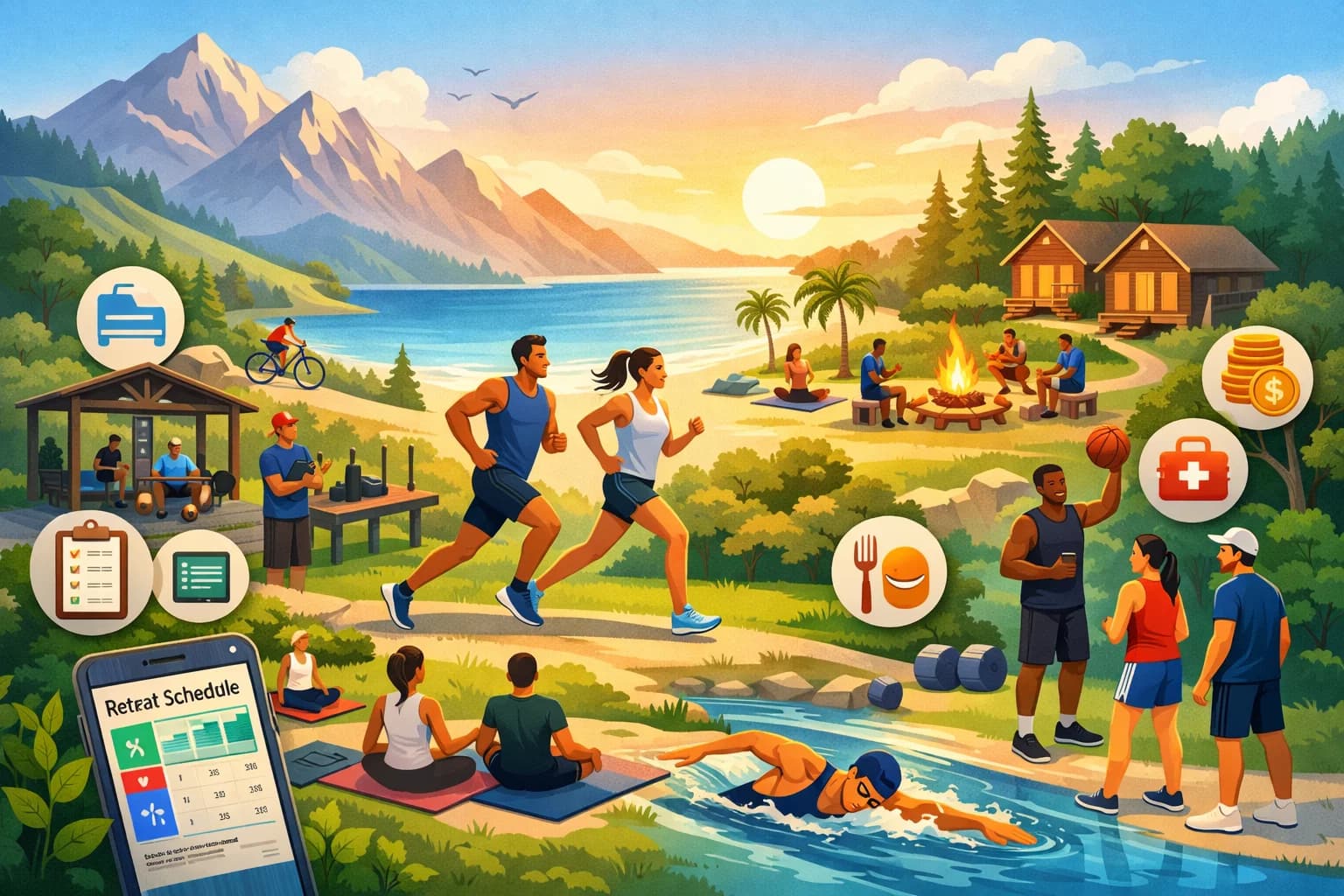
5. Outdoor & Adventure Programs
Nothing energizes a group like spending time in nature, which builds trust among participants. Outdoor and adventure retreats are a fun way to challenge teams, encourage problem solving, and build trust through physical activities and shared experiences. These activities also promote well-being by supporting both physical and mental health as participants spend time engaging with the outdoors.
Activities
- Kayaking, hiking, or ropes courses that demand teamwork and communication
- Group scavenger hunts with verbal instructions and critical tasks
- Evening campfires for short discussions and storytelling
Why It Works
Adventure programs provide the perfect balance of challenge and camaraderie, helping participants create lasting memories and return recharged.
6. Virtual & Hybrid Retreats
Remote and hybrid teams need connection, too. A virtual retreat creates space for collaboration, discussion, and team-building activities without the travel—ideal for organizations with global teams or tight schedules. For example, incorporating a virtual escape room as a team-building activity can foster problem-solving and teamwork in a fun, engaging way.
Digital escape rooms and smaller group video rooms are great examples of using a virtual room for engagement, allowing teams to collaborate, communicate, and build cohesion even when working remotely.
Program Ideas
- Live-streamed guest speakers and creative breakouts
- Digital escape rooms or online scavenger hunts for problem solving and teamwork, keeping everyone involved
- Smaller group video rooms for discussion and idea-sharing
Why It Works
Virtual retreats allow teams to focus on communication and development while reducing stress and cost, proving that creativity and connection don’t depend on a shared physical space.
Let’s Talk Tips: Thoughtful Planning for Specialized Retreat Industries
- Define objectives early. Clarify what your organization aims to achieve—whether it’s leadership development, creative thinking, or a fun way to bond.
- Balance the schedule. Alternate high-energy tasks with personal reflection and community discussion.
- Use smaller groups. Rotating teams through different activities encourages communication and fresh perspectives.
- Plan the follow-up. Keep momentum by scheduling post-retreat discussions, surveys, and skill application sessions.
Measuring Success Beyond the Retreat
A retreat’s impact doesn’t stop when the event ends. Measure outcomes and ensure long-term value by:
- Collecting valuable participant feedback to identify key insights and favorite activities
- Tracking team collaboration, communication, and creative output after the retreat
- Documenting new ideas or stories to inspire the next company retreat
- Celebrating wins and reinforcing company culture and shared experiences
Final Takeaway
With thoughtful planning and the right retreat program ideas, hosts can design experiences that build trust, spark innovation, and create memories that last well beyond the retreat itself. Whether you focus on leadership, creativity, skill-building, or adventure, the right activities will leave your participants energized, inspired, and ready to lead, collaborate, and create long after they return.
Planning your next retreat? Try SquadTrip today and make organizing effortless.
Frequently Asked Questions
1. What are some creative retreat program ideas?
Creative retreat ideas include workshops, wellness activities, outdoor challenges, and hybrid learning sessions.
2. How do I choose the right retreat format for my team?
Consider your goals, team size, and budget to decide if a leadership, wellness, or adventure format fits best.
3. Are hybrid retreats becoming popular?
Yes, hybrid retreats that blend virtual and in-person sessions are gaining traction for their flexibility and reach.
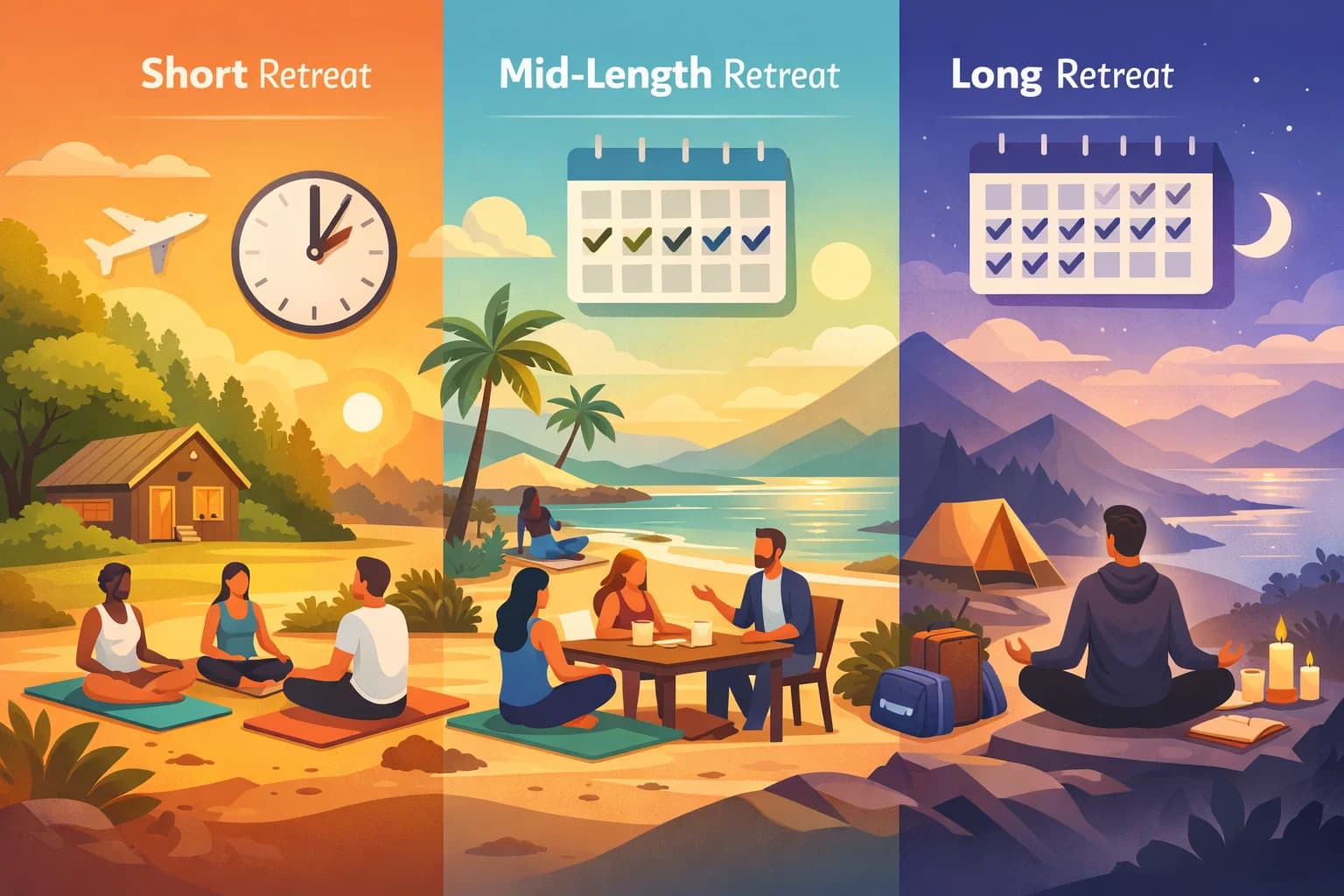
4. What’s the ideal length for a retreat program?
Most retreats run for 2–4 days, giving enough time for activities without overwhelming participants.
5. How can retreats improve team engagement?
Retreats help build stronger connections, improve communication, and inspire creativity in a relaxed setting.
6. What budget should I plan for a retreat?
Budgets vary, but factors like location, activities, and accommodations will shape overall costs.