
TL;DR :
- Florida is a strong choice for yoga retreats due to warm weather, easy flights, and varied locations
- Beach towns, nature preserves, and quiet inland areas all work well for different retreat styles
- Timing matters: avoid peak hurricane season and tourist-heavy months if possible
- Clear pricing, schedules, and communication help guests feel confident before booking
- Managing payments, registrations, and guest details in one place reduces stress
- SquadTrip helps yoga retreat hosts organize bookings, payments, and communication without juggling tools
Introduction
If you are thinking about hosting a retreat in Florida, you are already on the right track. Florida continues to be one of the most popular retreat destinations in the U.S. thanks to its warm climate, easy travel access, diverse landscapes, and strong wellness culture. From beachfront yoga sessions to quiet nature-based resets, Florida offers flexibility that few other states can match.
Planning a yoga retreat, however, is about more than choosing a beautiful location. You need to think through timing, venues, pricing, guest expectations, logistics, and how everything comes together smoothly for both you and your attendees.
This guide walks you through everything you need to know to plan a successful yoga retreat in Florida, with practical tips, real considerations, and clear next steps.
Why Florida Is Ideal for Yoga Retreats
Florida has built a reputation as a wellness-friendly destination. Many people already associate the state with relaxation, sunshine, and reset-focused travel, which makes it easier to market a yoga retreat here than in less familiar locations.
1. Consistent Warm Weather
One of Florida’s biggest advantages is predictable weather. Even during winter months, many parts of the state offer mild temperatures that are perfect for outdoor yoga sessions, morning meditation, and evening movement.
This allows you to plan retreats year-round, especially when colder states are less appealing to travelers.
2. Easy Travel for Guests
Florida has multiple major airports, including Miami, Orlando, Tampa, Fort Lauderdale, and Jacksonville. This makes it easy for guests to travel from different regions without complicated connections.
For retreat hosts, this reduces friction. The easier it is to get there, the more likely people are to commit.
Variety of Retreat Settings
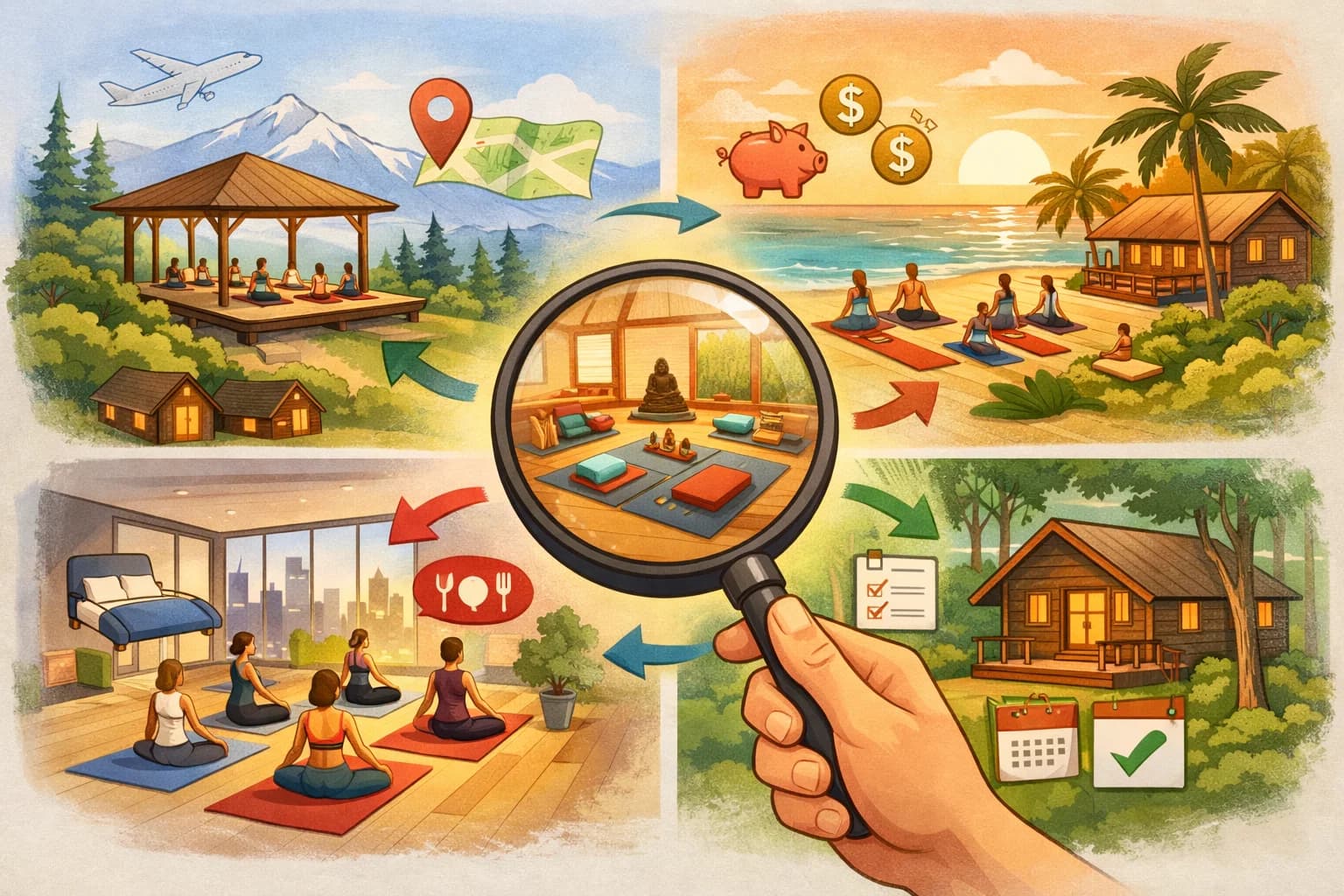
Florida is not just beaches. You can design very different retreat experiences depending on your audience:
- Oceanfront yoga retreats with sunrise and sunset sessions
- Nature-based retreats near springs, forests, or wetlands
- Luxury wellness retreats with spa access
- Quiet, minimalist retreats focused on rest and reflection
This flexibility lets you align the retreat setting with your teaching style and audience needs.
Choosing the Right Location in Florida
Where you host your retreat in Florida shapes the entire experience. Each region attracts a slightly different type of guest.
1. Beach Destinations
Popular beach areas work well for yoga retreats that focus on relaxation, movement, and reset.
Best for:
- Yoga teachers with an audience that loves ocean settings
- First-time retreat attendees
- Shorter retreats (3–5 days)
Things to consider:
- Higher accommodation costs
- Tourist traffic during peak seasons
- Noise levels depending on the town
Beach retreats are easy to sell but require clear boundaries to maintain a calm, grounded environment.
2. Nature and Springs
Inland Florida offers peaceful retreats near springs, forests, and nature preserves.
Best for:
- Deeper yoga and meditation work
- Small group retreats
- Guests seeking quiet and reflection
These locations often feel more private and intentional, which appeals to experienced retreat-goers.
3. Urban Wellness Centers
Cities like Miami, Tampa, and Orlando offer wellness centers, retreat houses, and yoga-focused venues.
Best for:
- Short weekend retreats
- Local or regional audiences
- Workshops combined with yoga
Urban retreats are easier logistically but require thoughtful scheduling to avoid distractions.
Best Time of Year to Host a Yoga Retreat in Florida
Timing plays a major role in attendance, pricing, and guest experience.
1. Winter and Early Spring (December–April)
This is peak season for Florida retreats.
Pros
- Ideal weather
- High demand from colder regions
- Strong booking interest
Cons
- Higher venue costs
- More competition
- Need to book early
2. Summer (May–August)
Summer is warmer and more humid, but it can still work with the right positioning.
Pros
- Lower venue costs
- Fewer tourists
- More availability
Cons
- Heat may limit outdoor sessions
- Requires clear communication about schedules and comfort
3. Hurricane Season (June–November)
Hurricane season does not mean constant storms, but it requires planning.
Tips:
- Avoid peak hurricane months for first-time retreats
- Have clear refund and cancellation policies
- Communicate contingency plans clearly
Designing Your Yoga Retreat Experience
A well-designed retreat feels intentional, not packed or rushed.
1. Define the Purpose of the Retreat
Before planning logistics, get clear on why this retreat exists.
Ask yourself:
- Is this a beginner-friendly yoga retreat or for experienced practitioners?
- Is the focus physical, mental, spiritual, or balanced?
- Are you offering transformation or rest?
Your answers shape everything from marketing to pricing.
2. Create a Balanced Schedule
Guests appreciate structure without feeling overwhelmed.
A typical daily flow might include:
- Morning yoga or meditation
- Free time for rest or reflection
- Afternoon workshops or gentle movement
- Evening sessions or group sharing
Leave space. Over-scheduling leads to burnout.
3. Decide What’s Included
Be clear about what guests are paying for.
Common inclusions:
- Yoga sessions and workshops
- Accommodation
- Some or all meals
- Group activities
Clear inclusions reduce questions and last-minute confusion.
Pricing Your Florida Yoga Retreat
Pricing is one of the most sensitive parts of retreat planning.
1. Understand Your Costs
Before setting a price, account for:
- Venue and accommodation
- Food and catering
- Transportation (if included)
- Marketing and admin tools
- Your own compensation
2. Offer Flexible Payment Options
Many guests cannot pay in full upfront. Offering deposits or payment plans can increase bookings significantly.
This is where having the right system matters.
Make it easier for guests to say yes. Try SquadTrip to offer deposits and payment plans without manual tracking.
Marketing Your Yoga Retreat in Florida
A great retreat still needs clear promotion.
1. Speak to the Right Audience
Avoid generic messaging. Be specific about who the retreat is for and what they will experience.
**Instead of:
**“Join us for a relaxing yoga retreat.”
Try:
“A 5-day beachfront yoga retreat designed for women who want rest, movement, and clarity.”
2. Use Visuals That Match the Experience
Photos should reflect the real environment and mood of the retreat. Authentic images build trust.
3. Set Clear Booking Deadlines
Deadlines create urgency and help you plan confidently.
Managing Registrations, Payments, and Guest Details
This is where many retreat hosts feel overwhelmed.
Spreadsheets, emails, forms, and payment apps quickly become messy, especially as guest numbers grow.
Common challenges include:
- Tracking who has paid and who hasn’t
- Managing payment plans manually
- Collecting emergency contacts and preferences
- Sending updates and reminders
Using one platform for everything removes this stress.
Legal and Safety Considerations
Even wellness retreats require planning for safety and responsibility.
1. Waivers and Policies
Have clear waivers that cover:
- Physical activity risks
- Medical responsibility
- Cancellation terms
Digital waivers are easier to manage and keep organized.
2. Insurance
Check whether your venue or retreat requires event insurance. Many do.
3. Accessibility and Inclusivity
Be honest about physical demands, accommodation limitations, and accessibility. Transparency builds trust.
Creating a Strong Guest Experience Before the Retreat
The retreat experience starts long before arrival.
1. Clear Pre-Retreat Communication
Send guests:
-
Arrival details
-
Schedule overview
-
Contact information
When guests feel informed, they arrive relaxed.
2. Centralized Communication
Avoid long email threads. A shared space for updates keeps everyone aligned.
Common Mistakes to Avoid When Planning a Florida Yoga Retreat
Learning from others can save you time and stress.
1. Overloading the Schedule
Rest is part of the retreat. Leave breathing room.
2. Underpricing
If you underprice, you risk burnout and resentment. Price fairly.
3. Vague Messaging
Unclear descriptions lead to mismatched expectations and refunds.
4. Manual Systems
Manual tracking creates errors. Use tools built for group experiences.
Scaling Your Retreats Over Time
Once your first retreat runs smoothly, you can grow confidently.
Ways to scale include:
- Running retreats annually or seasonally
- Adding themed retreats (beginner, advanced, mindfulness-focused)
- Hosting retreats in multiple Florida locations
Systems that work for one retreat should work for many.
Why Retreat Hosts Choose SquadTrip
Yoga retreat planning involves many moving parts. SquadTrip is built to support hosts managing group experiences without chaos.
With SquadTrip, you can:
- Collect registrations and payments in one place
- Offer deposits and payment plans
- Track guest details easily
- Send updates and reminders without chasing emails
This frees you to focus on teaching, connection, and creating a meaningful experience.
Conclusion : Bringing Your Florida Yoga Retreat Together
Planning a yoga retreat in Florida is both exciting and demanding. The location offers incredible advantages, but success depends on thoughtful planning, clear communication, and the right systems behind the scenes.
From choosing the right time of year to designing a balanced schedule and managing guest logistics, every detail shapes how your retreat is remembered.
When your planning tools work with you instead of against you, the experience becomes smoother for everyone involved.
If you are preparing to host a retreat in Florida and want a simpler way to manage bookings, payments, and guest communication, SquadTrip is built to support you every step of the way.
Start planning your Florida yoga retreat with confidence. Try SquadTrip today.
Frequently Asked Questions
1. Is Florida a good place to host a yoga retreat year-round?
Yes, Florida works well for yoga retreats most of the year thanks to warm weather and easy travel access. That said, winter and early spring tend to be the most popular. Summer retreats can still work if sessions are scheduled around heat and humidity.
2. What part of Florida is best for a yoga retreat?
It depends on the experience you want to create. Beach areas are great for relaxation-focused retreats, while inland nature or spring areas suit quieter, more reflective programs. Urban wellness centers work well for shorter retreats or weekend formats.
3. How many days should a yoga retreat in Florida be?
Most yoga retreats in Florida run between 3 to 5 days. Shorter retreats work well for first-time guests, while longer retreats are better for deeper practice, rest, and community building.
4. When should I avoid planning a yoga retreat in Florida?
You may want to avoid peak hurricane months if this is your first retreat, especially late summer and early fall. If you do plan during this time, clear refund policies and backup plans are important.
5. Do guests expect beach access for a Florida yoga retreat?
Not always. While beaches are appealing, many guests are equally drawn to quiet nature settings or wellness-focused venues. What matters most is clarity. Guests want to know exactly what environment they are booking.