TL;DR
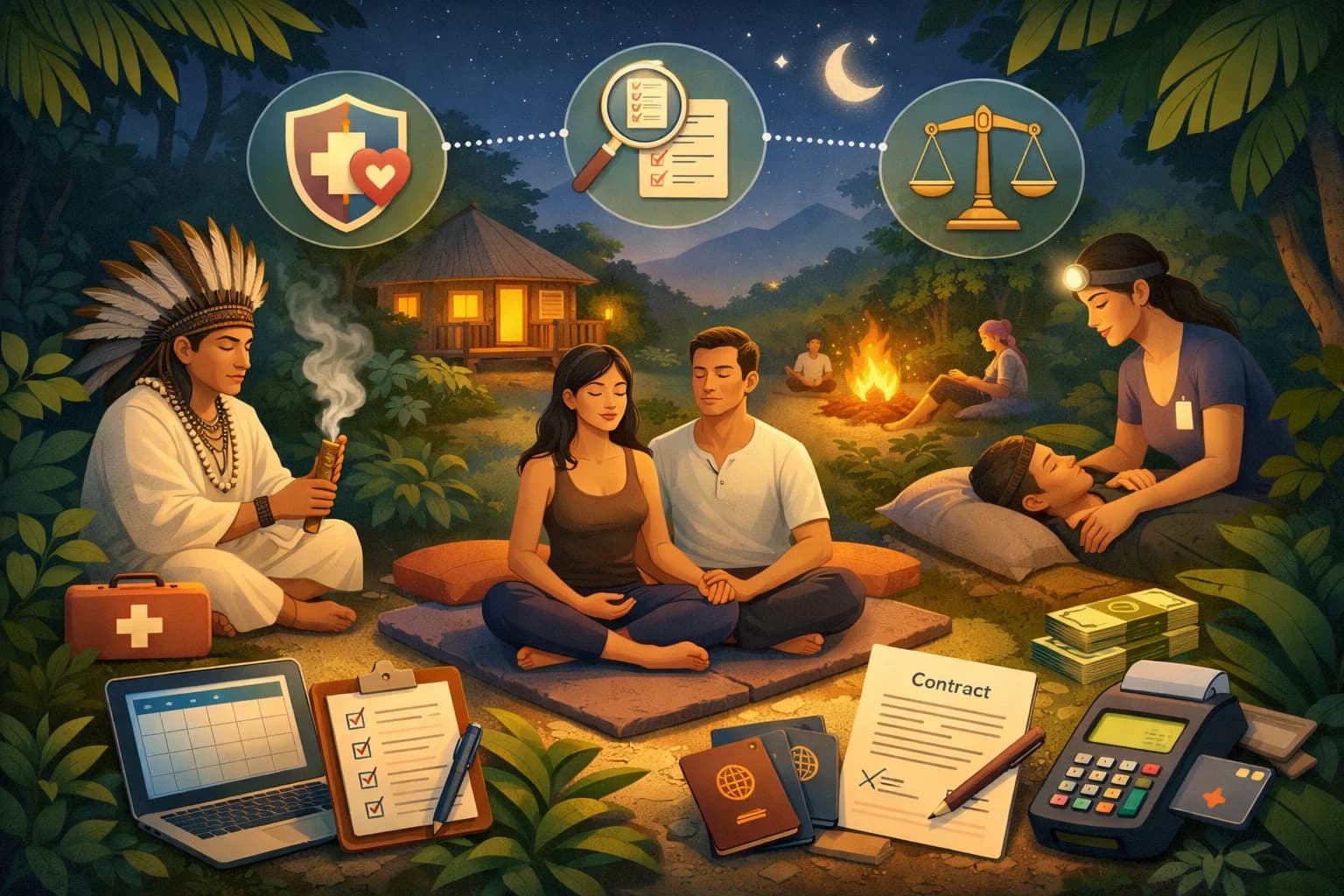
- Ayahuasca retreats require a higher standard of safety, screening, and ethics than most wellness experiences
- Hosting or partnering with an ayahuasca retreat center means prioritizing medical screening, facilitator credibility, and legal compliance
- Strong retreat operations focus on pacing, integration, clear consent, and participant support before and after ceremonies
- Transparent pricing, clear policies, and structured communication reduce risk for hosts and guests
- With SquadTrip, retreat organizers can manage payments, itineraries, waivers, and group coordination in one secure place
Introduction
Ayahuasca retreats are becoming more visible globally, but hosting or partnering with one carries serious responsibility. Unlike standard wellness or yoga retreats, ayahuasca retreats involve powerful psychoactive experiences, vulnerable participants, and complex ethical and legal considerations.
If you are considering hosting your own retreat or partnering with an existing ayahuasca retreat center, this guide walks you through what actually matters. Not surface level marketing or aesthetics, but safety standards, screening processes, facilitator roles, retreat structure, legal awareness, and the operational systems required to run everything cleanly.
This is written for retreat hosts, wellness entrepreneurs, facilitators, and organizers who want to do this properly or not at all.
Read More: Couple Only Retreats : 7 Best Experiences for 2026
Understanding What Makes Ayahuasca Retreats Different
Ayahuasca retreats sit at the intersection of wellness, spirituality, mental health, and cultural tradition. That alone changes how they should be planned and run.
Why ayahuasca retreats demand a different approach
- Participants may experience intense emotional or psychological responses
- The experience can surface trauma, grief, or unresolved mental health conditions
- Physical reactions are common and expected
- Power dynamics between facilitators and participants must be handled carefully
- Legal frameworks vary widely by country
Because of this, hosting or partnering with ayahuasca retreats is not about scale or volume. It is about care, containment, and trust.
Legal and Ethical Considerations Before You Start
Before discussing venues, ceremonies, or partnerships, you must understand where and how ayahuasca retreats can legally operate.
Legal status varies by country
Ayahuasca is legal, restricted, or illegal depending on location. Some countries allow ceremonial use under religious or cultural exemptions, while others ban it entirely.
If you are hosting or partnering:
- Consult local legal counsel in the retreat location
- Do not rely on verbal assurances from operators
- Understand visa implications for international guests
- Know whether facilitators are legally permitted to serve medicine
Ethics matter as much as legality
Even where legal, ethical failures are the biggest risk in ayahuasca retreats.
Ethical red flags include:
- No participant screening
- No medical intake forms
- Vague facilitator credentials
- Pressure to participate in ceremonies
- Poor aftercare or integration support
Your reputation as a host or partner is tied directly to these standards.
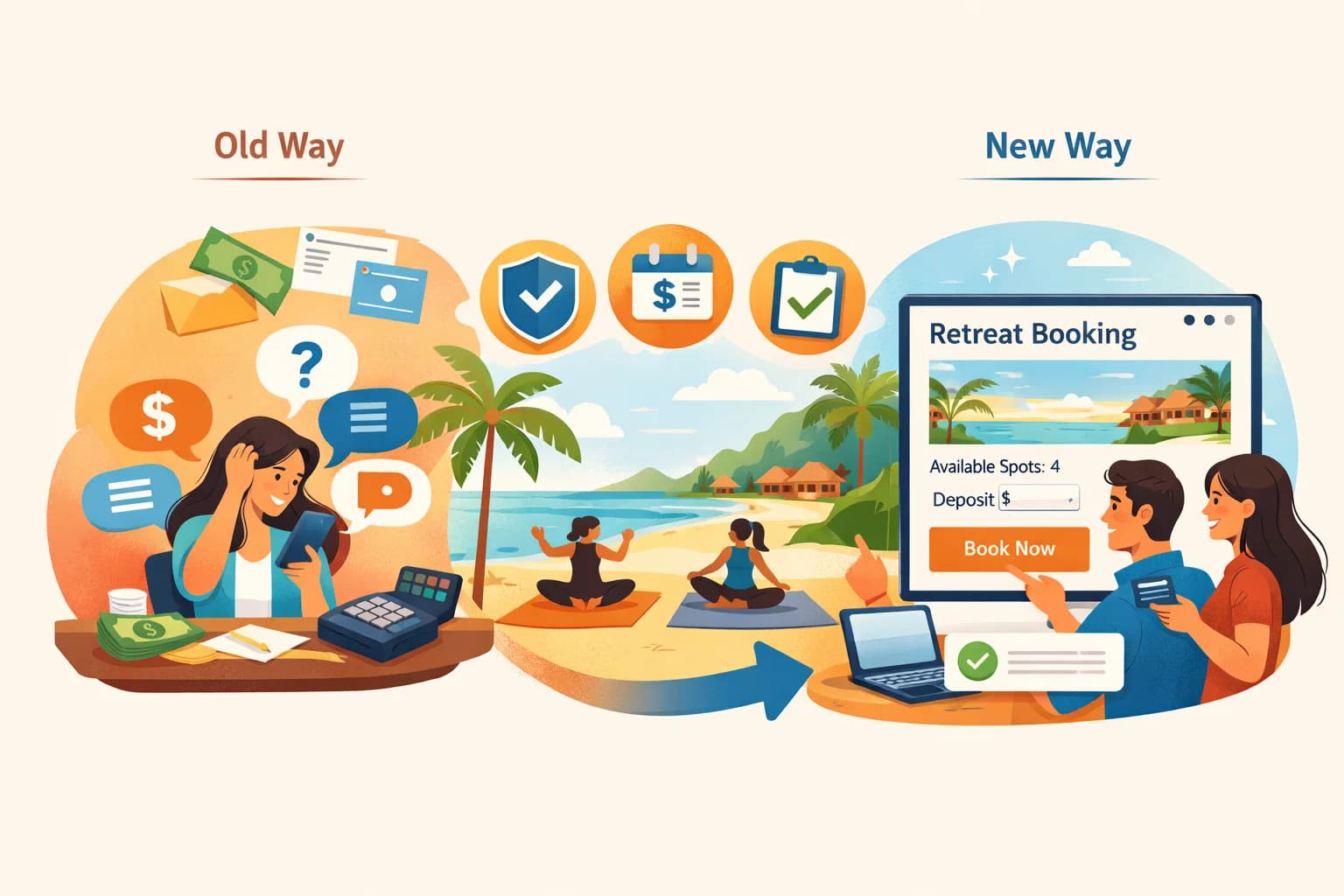
SquadTrip lets retreat hosts set clear pricing, collect deposits, manage payment plans, and keep everything transparent for participants.
Choosing the Right Ayahuasca Retreat Center to Partner With
If you are not hosting ceremonies yourself and plan to partner with an existing center, due diligence is non negotiable.
What to evaluate before partnering
Facilitator experience and lineage
- Years of experience serving ceremonies
- Training background
- Cultural respect for the medicine
- Clear boundaries and codes of conduct
Medical screening process
- Written health questionnaires
- Medication exclusion lists
- Mental health disclosures
- Clear eligibility criteria
Safety protocols
- Participant to facilitator ratio
- Emergency response plans
- Access to medical facilities
- Support staff presence during ceremonies
Integration support
- Group integration circles
- One on one support options
- Post retreat guidance
- Clear follow up communication
If any of these areas are unclear, pause the partnership.
Read more: How to Choose the Right Retreat Venue for Your Next Event
Hosting Your Own Ayahuasca Retreat: What You Are Responsible For
If you plan to host directly, responsibility increases significantly.
Participant screening is non negotiable
Ayahuasca retreats must screen participants thoroughly.
A proper intake process includes:
- Medical history
- Mental health disclosures
- Medication lists
- Previous psychedelic experience
- Clear contraindications
Never allow same day sign ups or walk-ins.
Clear informed consent
Participants must understand:
- What ayahuasca is and is not
- Potential risks and side effects
- That outcomes are unpredictable
- That participation is voluntary at all times
Consent should be documented, not implied.
Ceremony pacing and retreat structure
Overloading ceremonies is unsafe.
Responsible ayahuasca retreats usually include:
- Rest days between ceremonies
- Preparation days before first ceremony
- Gentle activities like journaling or breathwork
- Quiet integration time
Less is often safer than more.
Designing a Safe and Supportive Retreat Environment
The environment plays a major role in participant safety and comfort.
Venue considerations
- Private, quiet setting
- Clean sleeping arrangements
- Easy access to bathrooms
- Safe ceremony space with clear exits
- Comfortable temperature control
Avoid overcrowding or shared sleeping for first time participants.
Support staff matters
In addition to facilitators, retreats should have:
- Trained sitters or helpers
- Gender balanced support teams when possible
- Staff trained in grounding techniques
- Clear escalation protocols
Support staff are not optional.
Transparency in Pricing and Policies
Ayahuasca retreats already operate in a sensitive space. Lack of clarity around money creates unnecessary distrust.
What pricing should clearly include
- Number of ceremonies
- Accommodation type
- Meals and dietary support
- Integration sessions
- Transportation if offered
Refunds and cancellation policies
Policies must be clear before payment.
Consider:
- Deposit vs full payment
- Refund eligibility timelines
- Medical disqualification handling
- Transfer options
Avoid cash only or unclear payment methods.
Managing Communication Before, During, and After the Retreat
Poor communication creates anxiety, especially for first time participants.
Before the retreat
Participants should receive:
- Detailed preparation guidelines
- Dietary restrictions
- Packing lists
- Schedule overview
- Emergency contact instructions
During the retreat
Communication should be minimal but clear.
- Daily schedules
- Quiet hours
- Support availability
- Boundaries around sharing
After the retreat
Integration is often overlooked but essential.
- Follow up emails
- Integration resources
- Community spaces if appropriate
- Clear guidance on re entry
Ayahuasca retreats without aftercare increase risk for participants.
Risk Management and Liability Awareness
No retreat is risk free. What matters is preparation.
What hosts and partners should have
- Signed waivers and consent forms
- Insurance coverage where available
- Emergency response plans
- Clear facilitator accountability
Avoid relying on verbal agreements.
Cultural Respect and Responsibility
Ayahuasca is not a trend or a commodity.
Best practices for cultural respect
- Acknowledge indigenous origins
- Avoid exaggerated claims or promises
- Do not market healing guarantees
- Respect traditional practices
This is not only ethical, it builds long term trust.
Avoiding Common Mistakes in Ayahuasca Retreats
Many retreats fail due to preventable issues.
Common mistakes
- Overbooking ceremonies
- Ignoring red flags during screening
- Poor facilitator boundaries
- No integration support
- Disorganized logistics
Strong systems reduce human error.
Using Systems to Reduce Risk and Stress
Manual coordination is risky in ayahuasca retreats.
What should be systemized
- Participant registration
- Payments and refunds
- Intake forms and waivers
- Communication updates
- Itineraries and schedules
Trying to manage this with spreadsheets and email chains increases mistakes.
Scaling Responsibly Without Losing Safety
Growth should never compromise care.
Responsible scaling looks like
- Smaller group sizes
- Repeating proven retreat formats
- Training additional support staff
- Improving systems before adding volume
Ayahuasca retreats are not designed for mass scale.
Partnering as a Facilitator, Coach, or Organizer
Not everyone wants to host ceremonies.
Partnership roles can include
- Logistics and operations
- Guest onboarding and communication
- Integration coaching
- Marketing and outreach
Clear role definitions prevent conflict.
How SquadTrip Supports Ayahuasca Retreat Hosts
While SquadTrip does not handle ceremonies, it supports everything around them.
What SquadTrip helps with
- Secure group payments
- Deposit and installment options
- Centralized itineraries
- Participant coordination
- Clear communication flows
This lets hosts focus on safety, facilitation, and care rather than admin work.
Final Thoughts
Ayahuasca retreats are powerful experiences that require responsibility, structure, and integrity. Whether you are hosting directly or partnering with an established retreat center, safety must guide every decision.
Clear screening, ethical facilitation, transparent policies, and strong operational systems protect both participants and hosts. When logistics are organized and communication is clear, facilitators can focus on what matters most: holding space responsibly.
Run ayahuasca retreats with care. Use SquadTrip to manage payments, waivers, schedules, and participant communication in one place.
FAQs:
Is it legal to host or partner with ayahuasca retreats?
It depends entirely on the country and sometimes the specific region. Some places allow ceremonial use under religious or cultural exemptions, while others ban it outright. Hosts and partners should never rely on assumptions or verbal assurances and should always consult local legal counsel before getting involved.
Can I host an ayahuasca retreat without serving the medicine myself?
Yes. Many organizers handle logistics, guest coordination, or integration support while partnering with a licensed or experienced retreat center that serves the medicine. Even in this role, you are still responsible for participant safety, transparency, and ethical standards.
What kind of screening is actually required for ayahuasca retreats?
Proper screening goes beyond a basic signup form. It usually includes medical history, mental health disclosures, medication lists, contraindications, and previous psychedelic experience. Same-day signups or walk-ins are considered unsafe and irresponsible.
How do I know if an ayahuasca retreat center is safe to partner with?
Look for clear facilitator experience, written screening processes, defined safety protocols, emergency plans, and real integration support. If a center avoids questions, has vague credentials, or downplays risk, that is a strong signal to pause.
What are the biggest safety risks in ayahuasca retreats?
The main risks come from poor screening, inadequate facilitator support, lack of medical readiness, unclear boundaries, and no post-retreat integration. Most issues are operational failures rather than the ceremony itself.