TL:DR
• A sailing retreat brings people together through shared adventure, teamwork, and time away from everyday distractions.
• Planning starts with choosing the right destination, boat, dates, budget, and group size.
• A good itinerary balances sailing time with activities, workshops, and relaxed moments at anchor.
• Safety prep, clear communication, and flexible plans are essential since weather can shift quickly.
• With SquadTrip, hosts can organize payments, travel details, and retreat logistics in one place, making the entire experience easier to run.
Introduction
Picture this: your group gliding across crystal-clear waters, learning to work together as they trim sails, sharing meals under starlit skies, and forging connections that land-based events simply can’t create. Sound familiar? If you’ve ever dreamed of combining adventure with meaningful group experiences, hosting a sailing retreat might be your perfect solution.
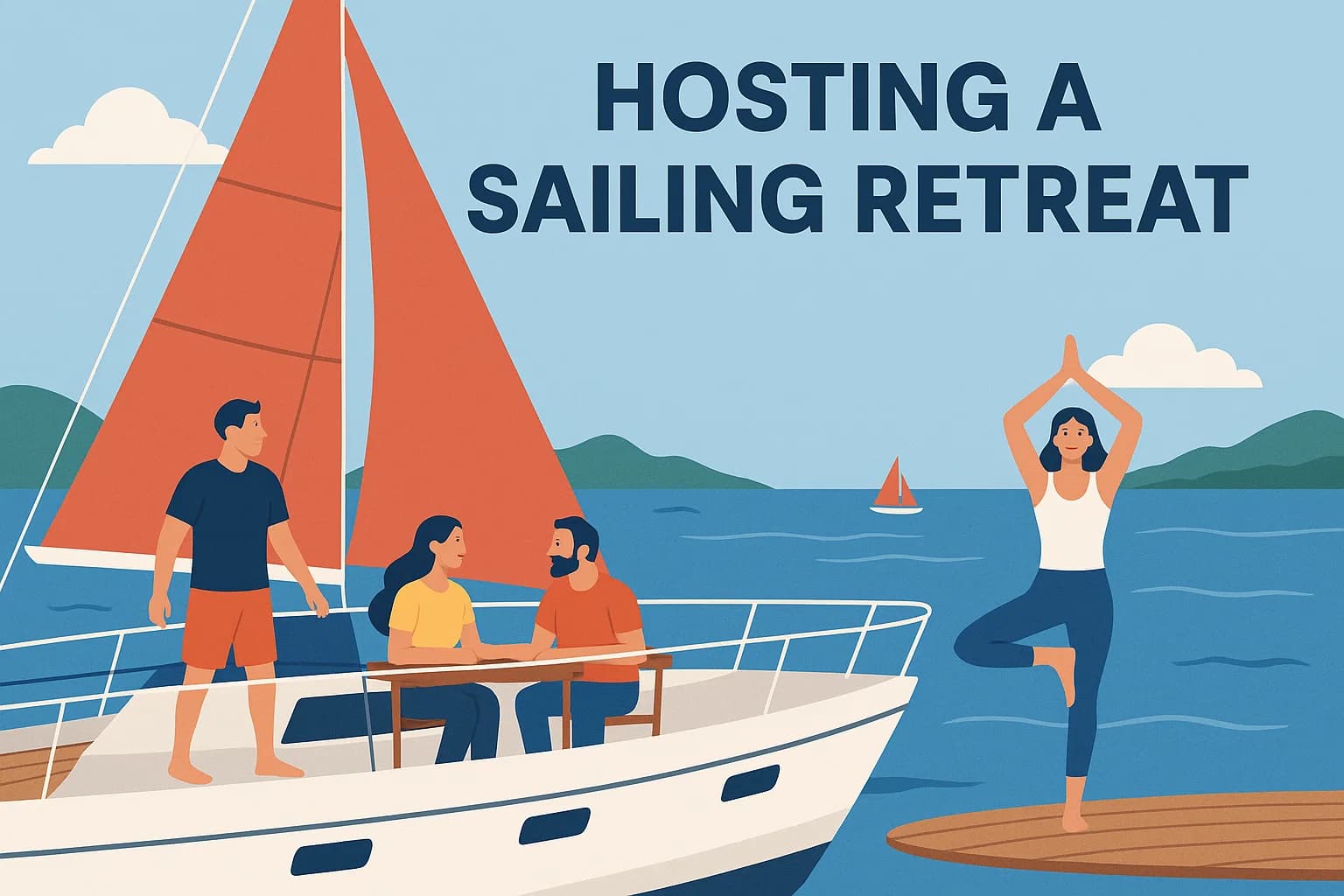
A sailing retreat brings people together on a yacht or sailboat for multiple days of sailing, exploration, and shared activities. Unlike traditional land-based retreats, sailing adventures create unique dynamics where participants disconnect from digital distractions, collaborate in close quarters, and experience the transformative power of ocean travel together.
Read More: The Best Places for a Retreat
Benefits of Sailing Retreats for Groups
Sailing retreats offer unparalleled advantages for group bonding and personal growth:
• Forced collaboration: Operating a sailboat requires teamwork, creating natural opportunities for participants to work together
• Digital detox environment: Limited connectivity helps groups focus on real connections and present-moment experiences
• Shared adventure: Overcoming challenges like rough seas or learning new sailing skills bonds groups quickly
• Intimate setting: Living in close quarters breaks down barriers and encourages authentic interactions
• Unique memories: The novelty of sailing creates lasting impressions that standard venues can’t match
• Natural stress relief: The rhythm of ocean life and sea air provides therapeutic benefits
• Skill development: Participants learn sailing basics, navigation, and maritime safety
Types of Sailing Retreats You Can Organize
The beauty of sailing retreat planning lies in its versatility. Consider these popular formats:
Corporate and Team Building Retreats: Focus on leadership development, communication skills, and collaborative problem-solving through sailing challenges.
Wellness and Yoga Retreats: Combine daily yoga sessions on deck with meditation, healthy cuisine, and swimming in secluded bays. If you’re interested in expanding your wellness offerings, explore wellness retreat ideas for coaches that can be adapted to a sailing environment.
Creative and Artist Retreats: Use the inspiring marine environment for writing workshops, photography expeditions, or painting sessions.
Adventure and Skills Training: Teach advanced sailing techniques, coastal navigation, and ocean survival skills.
Social and Networking Groups: Bring together entrepreneurs, digital nomads, or interest-based communities for connection and collaboration.
Educational and Learning Expeditions: Incorporate marine biology, environmental conservation, or historical exploration into the sailing experience.
Who Should Consider Hosting a Sailing Retreat
You don’t need to be a professional sailor to host a sailing retreat. Successful retreat organizers include:
• Coaches and consultants looking for unique client experiences
• Yoga instructors and wellness practitioners expanding their offerings
• Corporate trainers seeking innovative team-building venues
• Travel enthusiasts with strong organizational skills
• Community leaders bringing groups together
• Experienced sailors wanting to share their passion
Ready to start planning? Let’s dive into the essential first steps. Create your sailing retreat on SquadTrip to streamline the planning process.
Planning Your Sailing Retreat: Essential First Steps
Successful sailing retreat planning begins months before anyone steps aboard. These foundational decisions shape every aspect of your retreat experience.
Defining Your Retreat Goals and Theme
Start by crystallizing your retreat’s purpose. Ask yourself:
• What transformation do you want participants to experience?
• What specific outcomes should they achieve?
• How will sailing enhance your retreat objectives?
• What makes your retreat unique in the market?
Write a clear mission statement that captures your retreat’s essence. For example: “A 7-day sailing adventure for burned-out professionals to reconnect with nature, learn mindfulness practices, and build lasting friendships while exploring the Greek islands.”
Your theme influences everything from marketing messages to daily activities. Popular themes include:
• Digital detox and mindfulness
• Leadership through sailing
• Creative renewal and inspiration
• Fitness and adventure challenges
• Cultural immersion and exploration
Setting Your Budget and Pricing Structure
Create a comprehensive budget covering all retreat expenses:
Fixed Costs:
• Charter fees (typically $3,000-$15,000 per week)
• Captain and crew wages (if applicable)
• Marina and mooring fees
• Insurance coverage
• Marketing and website costs
Variable Costs:
• Provisioning and meals
• Airport transfers and transportation
• Activities and excursions
• Equipment rentals
• Welcome gifts and materials
Calculate your break-even point and desired profit margin. Most retreat organizers charge participants 30-50% above costs to cover their time and expertise. Price your retreat competitively while ensuring profitability. For detailed guidance on setting the right price point, check out how to price a retreat for success and profit.
Choosing the Perfect Time of Year
Timing affects everything from weather conditions to charter availability. Research your destination’s sailing seasons:
Mediterranean (May-October): Best weather but highest prices and crowds in July-August
Caribbean (November-May): Avoid hurricane season; December-March peak season
Southeast Asia (November-April): Dodge monsoons; consider shoulder seasons for value
Pacific Islands (April-October): Trade wind season offers consistent conditions
Book during shoulder seasons for better rates and fewer crowds while maintaining good weather. Consider participant schedules too – professionals might prefer long weekends, while others need school holiday alignment.
Determining Group Size and Participant Requirements
Your group size impacts boat selection, group dynamics, and logistics:
Small Groups (4-6 people):
• Intimate atmosphere
• Easier logistics
• Higher per-person costs
• Single monohull suitable
Medium Groups (8-12 people):
• Optimal for group dynamics
• Cost-effective pricing
• Catamaran recommended
• Diverse skill mixing possible
Large Groups (14-20 people):
• Multiple boats required
• Complex coordination
• Lower per-person costs
• Professional crew essential
Set clear participant requirements including:
• Age restrictions and physical fitness levels
• Swimming ability expectations
• Previous sailing experience (if any)
• Dietary restrictions and medical conditions
• Group compatibility factors
How to Choose the Right Sailing Destination
Your destination choice makes or breaks the retreat experience. Consider these factors when selecting your sailing grounds.
Best Sailing Destinations for Beginners
Start with destinations offering calm waters, reliable weather, and good infrastructure:
British Virgin Islands: Protected waters, short distances between islands, consistent trade winds, and numerous anchorages make BVI perfect for novice groups. Highlights include The Baths, Jost Van Dyke, and excellent snorkeling spots.
Greek Ionian Islands: Gentler conditions than the Cyclades, with predictable afternoon breezes, charming harbors, and rich cultural experiences. Corfu, Paxos, and Lefkada offer stunning scenery without challenging conditions.
Croatia’s Dalmatian Coast: Line-of-sight sailing between islands, hundreds of protected anchorages, medieval towns, and calm summer conditions. Split to Dubrovnik routes offer incredible diversity.
Whitsunday Islands, Australia: Protected by the Great Barrier Reef, offering stable weather, world-class beaches, and abundant marine life. Whitehaven Beach and snorkeling opportunities abound.
San Juan Islands, Washington: Protected Pacific Northwest waters with reliable summer weather, orca watching opportunities, and charming harbor towns.
Advanced Sailing Locations for Experienced Groups
For groups with sailing experience, consider more challenging destinations:
Greek Cyclades: Strong meltemi winds, longer passages, and iconic destinations like Santorini and Mykonos reward skilled sailors.
French Polynesia: Ocean passages between island groups, world-class diving, and remote anchorages offer true adventure.
Patagonian Channels: Extreme sailing through fjords and glaciers provides unmatched wilderness experiences.
Bay of Biscay: Atlantic sailing with variable conditions challenges experienced crews.
Seychelles: Indian Ocean sailing combines challenging conditions with pristine tropical beauty.
Weather Considerations and Seasonal Planning
Weather drives every sailing decision. Research thoroughly:
• Wind patterns: Trade winds, thermal breezes, and seasonal variations
• Storm seasons: Hurricane, cyclone, and monsoon timing
• Sea conditions: Swell patterns, currents, and tidal ranges
• Temperature ranges: Air and water temperatures affecting comfort
• Rainfall patterns: Wet seasons impacting enjoyment
Use resources like Windy.com, PredictWind, and local weather services. Build flexibility into your itinerary for weather delays.
Accessibility and Travel Logistics
Consider how participants reach your sailing destination:
• International airports: Proximity to charter bases
• Transfer options: Taxis, shuttles, or ferries to marinas
• Visa requirements: Entry restrictions for international participants
• Time zones: Jet lag impact on retreat scheduling
• Local transportation: Getting around before and after sailing
Choose destinations with straightforward access to minimize travel stress and maximize sailing time.
Selecting and Booking the Perfect Yacht or Sailboat
Your boat choice fundamentally shapes the retreat experience. Understanding options helps you make informed decisions.
Types of Boats for Different Group Sizes
Monohulls (4-8 people):
• Traditional sailing experience
• Better upwind performance
• Deeper draft limiting anchorage options
• Lower charter costs
• More heel and motion
Popular models: Beneteau Oceanis 46.1, Jeanneau Sun Odyssey 490, Bavaria Cruiser 46
Catamarans (8-12 people):
• Stable platform reducing seasickness
• Spacious living areas and deck space
• Shallow draft accessing more anchorages
• Higher charter costs
• Better for non-sailors
Popular models: Lagoon 42, Leopard 45, Fountaine Pajot Lucia 40
Luxury Yachts (10-20 people):
• Professional crew included
• High-end amenities and comfort
• Water toys and equipment
• Premium pricing
• Turnkey experience
Consider: Sunreef 60, Lagoon 620, CNB Bordeaux 60
Crewed vs. Bareboat Charter Options
Bareboat Charter:
• Complete freedom and flexibility
• Lower costs (no crew wages)
• Requires sailing certifications
• Full responsibility for navigation and safety
• More intimate group experience
Skippered Charter:
• Professional captain handles sailing
• Local knowledge and expertise
• Moderate cost increase
• Learning opportunities
• Reduced liability
Fully Crewed Charter:
• Captain, chef, and hostess included
• Luxury service and meals
• No sailing experience needed
• Highest cost option
• Focus entirely on retreat activities
For most first-time retreat organizers, a skippered or crewed charter provides the best balance of cost and peace of mind.
What to Look for in a Charter Company
Vet charter companies carefully:
• Fleet quality: Well-maintained, newer boats with good equipment
• Reputation: Online reviews, industry certifications, and testimonials
• Support services: 24/7 emergency assistance and technical support
• Flexibility: Willingness to accommodate special requests
• Insurance coverage: Comprehensive policies protecting your group
• Local presence: Base facilities and staff availability
• Transparent pricing: Clear contracts without hidden fees
Reputable companies include The Moorings, Sunsail, Dream Yacht Charter, and local operators with strong track records.
Booking Timeline and Deposit Requirements
Book early for best selection and rates:
9-12 months before: Research and initial inquiries
6-9 months before: Confirm dates and boat selection
6 months before: Sign contract and pay deposit (typically 30-50%)
3 months before: Finalize crew and special requests
1 month before: Complete final payment
1 week before: Confirm provisioning and logistics
Negotiate payment terms, especially for large groups. Some companies offer installment plans or group discounts.
Creating Your Sailing Retreat Itinerary
A well-crafted itinerary balances sailing adventure with retreat objectives while maintaining flexibility for weather and group dynamics.
Daily Schedule Planning and Activities
Structure each day to maximize both sailing and retreat experiences:
Sample Daily Schedule:
7:00 AM: Sunrise yoga or meditation on deck
8:00 AM: Breakfast and morning briefing
9:00 AM: Depart anchorage, sailing to next destination
10:00 AM: Sailing skills workshop or retreat activity while underway
12:30 PM: Lunch at anchor or while sailing
2:00 PM: Arrive at afternoon anchorage
2:30 PM: Swimming, snorkeling, or water sports
4:00 PM: Afternoon workshop or free time
6:00 PM: Sunset cocktails and group sharing
7:30 PM: Dinner and evening program
9:30 PM: Stargazing or quiet time
Build variety into your schedule:
• Alternate active and restful periods
• Mix group and individual activities
• Balance structure with spontaneity
• Include both sailing and land experiences
Balancing Sailing Time with Onshore Experiences
Sailing retreat planning requires careful balance:
Sailing Days (60% of time):
• 3-5 hour passages between anchorages
• Sailing skills instruction
• Team navigation exercises
• Lunch under sail
• Swimming stops
Shore Days (40% of time):
• Cultural site visits
• Local market tours
• Beach activities
• Restaurant dinners
• Hiking or exploring
Avoid over-scheduling. Participants need downtime to process experiences and build relationships organically.
Planning for Different Skill Levels
Accommodate varying abilities:
Non-Sailors:
• Basic sailing terminology lessons
• Simple tasks like coiling lines
• Helm time in calm conditions
• Focus on enjoying the experience
Beginners:
• Knot-tying workshops
• Basic navigation lessons
• Supervised sail handling
• Chart reading introduction
Intermediate Sailors:
• Advanced sail trim
• Night watch responsibilities
• Anchoring practice
• Weather interpretation
Experienced Sailors:
• Leadership roles
• Teaching opportunities
• Complex maneuvers
• Passage planning
Rotate responsibilities so everyone contributes according to their abilities.
Building in Flexibility for Weather Changes
Weather will disrupt your plans. Prepare accordingly:
Have Backup Plans:
• Alternative anchorages for different wind directions
• Indoor activities for rain days
• Shorter routes if conditions deteriorate
• Extended stays in protected harbors
Communicate Flexibility:
• Set expectations about weather variability
• Frame changes as adventure
• Involve group in decision-making
• Focus on safety over itinerary
Weather Window Planning:
• Check forecasts daily
• Plan challenging passages for good conditions
• Keep one “weather day” uncommitted
• Know your bail-out options
Managing Logistics and Pre-Trip Planning
Smooth logistics separate professional retreats from amateur attempts. Attention to detail here prevents problems later. For comprehensive guidance on organizing all aspects of group travel, explore the essential guide to planning unforgettable group travel experiences.
Travel Arrangements and Meeting Points
Coordinate group arrivals efficiently:
Arrival Day Logistics:
• Designate clear meeting point (airport, hotel, or marina)
• Provide detailed directions with photos
• Arrange group transfers when possible
• Build buffer time for delayed flights
• Have local contact numbers ready
Accommodation Needs:
• Book nearby hotels for early arrivals
• Arrange day rooms for late departures
• Consider group welcome dinner before boarding
• Plan for lost luggage contingencies
Create a shared document with all travel information, updating it as participants book flights.
Required Documents and Insurance
Ensure legal compliance and protection:
Essential Documents:
• Valid passports (6+ months validity)
• Visa requirements per nationality
• Sailing certifications (if bareboat)
• Medical clearance forms
• Emergency contact information
• Travel insurance proof
Insurance Considerations:
• Comprehensive travel insurance for all participants
• Charter company damage waiver
• Third-party liability coverage
• Medical evacuation insurance
• Trip cancellation protection
• Professional liability for organizers
Create a checklist and deadline for document submission.
Provisioning and Meal Planning
Food planning makes or breaks group satisfaction:
Provisioning Strategy:
• Pre-order through charter company or local services
• Budget $50-75 per person per day for full provisioning
• Plan simple meals that work in galley conditions
• Account for dietary restrictions and preferences
• Include snacks and beverages
• Stock emergency non-perishables
Sample Meal Plan:
• Breakfasts: Yogurt, granola, fruit, eggs, coffee
• Lunches: Sandwiches, salads, mezze platters
• Dinners: Grilled fish, pasta, local specialties
• Snacks: Nuts, dried fruit, crackers, cheese
• Beverages: Water, juice, wine, beer, soft drinks
Kitchen Management:
• Assign cooking teams
• Rotate responsibilities
• Plan one-pot meals for rough weather
• Schedule restaurant meals strategically
Safety Briefings and Equipment Checks
Safety is non-negotiable in sailing retreat planning:
Pre-Departure Safety Briefing:
• Life jacket locations and fitting
• Emergency procedures and alarms
• Man overboard protocols
• Fire extinguisher locations
• First aid kit contents
• VHF radio operation
• Bilge pump and emergency tiller
Equipment Verification:
• Safety equipment functionality
• Navigation instruments
• Anchor and ground tackle
• Sails and running rigging
• Engine and fuel levels
• Water and electrical systems
• Dinghy and outboard
Document the safety briefing and have participants sign acknowledgment forms.
Communication Plans and Emergency Protocols
Establish clear communication channels:
Regular Communication:
• Daily check-ins with charter base
• Weather update schedule
• Participant phone/internet expectations
• Group WhatsApp or messaging platform
• Social media sharing guidelines
Emergency Protocols:
• Emergency contact list (charter company, coast guard, medical)
• Nearest hospital and evacuation procedures
• Severe weather response plan
• Medical emergency procedures
• Boat damage protocols
• Lost participant procedures
Provide laminated emergency cards with key information for each participant.
Budgeting for Your Sailing Retreat
Financial planning determines your retreat’s viability and success. Understanding all costs prevents surprises and ensures profitability.
Breaking Down Charter Costs
Charter fees vary significantly based on multiple factors:
Base Charter Rates:
• Monohull 40-45ft: $2,500-5,000/week (bareboat)
• Catamaran 40-45ft: $4,000-8,000/week (bareboat)
• Crewed catamaran 45-50ft: $10,000-20,000/week
• Luxury yacht 50ft+: $20,000-50,000+/week
Additional Charter Fees:
• End cleaning: $200-400
• Outboard engine: $150-250/week
• WiFi router: $100-150/week
• Stand-up paddleboards: $150-200 each/week
• Kayaks: $100-150 each/week
• Spinnaker: $200-300/week
• Damage waiver: 5-10% of charter fee
• Tourism taxes: Varies by destination
Additional Expenses to Consider
Beyond charter costs, budget for:
Operating Expenses:
• Fuel: $200-500/week depending on motoring
• Marina fees: $50-200/night when applicable
• Mooring balls: $30-50/night
• Water and ice: $50-100/week
• Garbage disposal: $20-50/week
Provisioning and Dining:
• Full provisioning: $350-525/person/week
• Restaurant meals: $40-80/person/meal
• Welcome dinner: $50-100/person
• Farewell celebration: $50-100/person
• Special dietary needs: Add 20% to budget
Activities and Excursions:
• Guided tours: $50-150/person
• Scuba diving: $100-200/person/dive
• National park fees: $20-50/person
• Equipment rentals: Variable
• Transportation on land: $200-500/week
Professional Services:
• Skipper: $150-250/day plus meals
• Chef/hostess: $100-150/day plus meals
• Sailing instructor: $200-400/day
• Retreat facilitator: $500-1500/day
• Photography/videography: $500-2000/day
Setting Participant Fees and Payment Terms
Price strategically to ensure profitability:
Pricing Formula:
1. Calculate total costs including 10% contingency
2. Add your facilitation fee (typically $2,000-5,000/week)
3. Include profit margin (20-40% of costs)
4. Divide by minimum participant number
5. Round to psychologically appealing price point
Payment Structure Example:
• Deposit (30%): Due upon registration
• Second payment (40%): Due 90 days before departure
• Final payment (30%): Due 30 days before departure
Early Bird Incentives:
• 10% discount for bookings 6+ months ahead
• Free airport transfers for first 3 bookings
• Complimentary retreat materials
• Room upgrade options
Managing Deposits and Cancellation Policies
Protect yourself with clear policies:
Cancellation Timeline:
• 120+ days before: Full refund minus $250 admin fee
• 90-119 days: 50% refund of total fee
• 60-89 days: 25% refund of total fee
• Less than 60 days: No refund unless spot filled
Deposit Protection:
• Use escrow services for large deposits
• Require travel insurance proof
• Offer payment plans to reduce defaults
• Maintain waiting list for replacements
• Consider refundable vs. non-refundable pricing tiers
Force Majeure Clauses:
• Weather-related cancellations
• Government travel restrictions
• Charter company bankruptcy
• Medical emergencies
• Natural disasters
Always consult legal counsel when creating terms and conditions.
Marketing and Filling Your Sailing Retreat
Effective marketing transforms your sailing retreat planning into reality. Focus on reaching the right audience with compelling messaging.
Finding Your Target Participants
Identify your ideal participants:
Demographics:
• Age range and life stage
• Income level and spending power
• Geographic location
• Education and interests
• Travel experience level
Psychographics:
• Values and motivations
• Lifestyle preferences
• Pain points and desires
• Community affiliations
• Media consumption habits
Where to Find Them:
• Facebook groups aligned with your theme
• Instagram hashtags (#sailingretreats #yachtweek #sailingadventure)
• LinkedIn for corporate groups
• Yoga studios for wellness retreats
• Adventure travel forums
• Alumni associations
• Professional networks
Creating Compelling Retreat Descriptions
Write copy that converts browsers into bookings:
Headline Formula: [Transformation] + [Unique Experience] + [Destination]
Example: “Rediscover Your Creative Voice: Artist Sailing Retreat in the Greek Islands”
Description Structure:
1. Hook: Address their pain point or desire
2. Promise: What transformation they’ll experience
3. Proof: Your credentials and testimonials
4. Picture: Paint vivid scenes of the experience
5. Plan: Clear itinerary and logistics
6. Price: Transparent value proposition
7. Push: Urgency and clear next steps
Power Words for Sailing Retreats:
• Escape, adventure, discover, transform
• Intimate, exclusive, curated, authentic
• Crystal-clear, pristine, secluded, breathtaking
• Connect, unwind, recharge, explore
Using Social Media and Email Marketing
Instagram Strategy:
• Post stunning sailing photos daily
• Use Stories for behind-the-scenes content
• Create countdown posts to build urgency
• Partner with micro-influencers in your niche
• Use relevant hashtags (research top 30)
• Share participant testimonials and transformations
Facebook Marketing:
• Create event page with all details
• Share in relevant groups (follow rules)
• Use Facebook Live for Q&A sessions
• Run targeted ads to lookalike audiences
• Create video content showing daily life aboard
Email Campaign Sequence:
1. Announcement: Save the date excitement
2. Early bird: Limited-time discount offer
3. Story: Past participant transformation
4. FAQ: Address common concerns
5. Social proof: Testimonials and photos
6. Urgency: Limited spots remaining
7. Last chance: Final call to action
Building Trust and Credibility
Overcome hesitation with trust signals:
Credibility Builders:
• Professional website with SSL certificate
• Detailed About page with your story
• Clear terms, conditions, and policies
• Secure payment processing
• Professional photography and videos
• Media mentions or press features
• Industry certifications or memberships
Social Proof Elements:
• Video testimonials from past participants
• Before/after transformation stories
• Gallery of previous retreats
• Reviews on TripAdvisor or Google
• Social media engagement and followers
• Partner endorsements
• Money-back guarantee (if confident)
Content Marketing:
• Blog posts about sailing destinations
• Free guides (“5 Things to Know Before Your First Sailing Retreat”)
• YouTube channel with sailing tips
• Podcast interviews in your niche
• Guest posts on travel blogs
• Webinars about your retreat theme
Wondering if organizing from scratch is too complex? Join SquadTrip to access ready-made sailing experiences you can offer your group.
What to Pack and How to Prepare Participants
Proper preparation ensures participants arrive ready for adventure, not stressed about forgotten items or unrealistic expectations.
Essential Packing Lists for Sailing
Provide comprehensive packing guidance:
Clothing Essentials:
• Quick-dry shorts and shirts (5-7 sets)
• Swimwear (2-3 suits)
• Light jacket or fleece for cool evenings
• Rain jacket and pants
• Sun hat with chin strap
• Lightweight long pants and shirt for sun protection
• Non-slip deck shoes or sailing boots
• Flip-flops or sandals
• Underwear and socks (avoid cotton)
Personal Items:
• Reef-safe sunscreen (SPF 50+)
• Polarized sunglasses with retainer
• Personal medications in waterproof container
• Toiletries in refillable containers
• Quick-dry towel (2)
• Dry bag for electronics
• Reusable water bottle
• Headlamp or flashlight
• Power bank for devices
Optional Extras:
• Snorkeling gear (if not provided)
• Underwater camera
• Books or e-reader
• Journal and pens
• Musical instruments (ukulele, guitar)
• Fishing gear
• Binoculars for wildlife
• Hammock
What NOT to Bring:
• Hard suitcases (use soft duffel bags)
• Excessive clothing
• Hair dryers or styling tools
• Heavy shoes or boots
• Glass containers
• Valuable jewelry
• Single-use plastics
Pre-Trip Training and Resources
Prepare participants mentally and physically:
Physical Preparation:
• Core strengthening exercises for balance
• Flexibility training for moving around boat
• Swimming practice if skills are rusty
• Sea sickness prevention strategies
• Sun exposure adaptation
Educational Resources:
• Basic sailing terminology guide
• YouTube videos of similar trips
• Recommended sailing books
• Weather pattern explanations
• Cultural information about destinations
• Marine life identification guides
Skills Development:
• Online sailing courses (ASA or RYA)
• Knot-tying tutorials
• Navigation basics
• VHF radio protocols
• Safety procedure videos
Setting Expectations and Guidelines
Clear expectations prevent disappointment:
Living Conditions Reality Check:
• Limited privacy and space
• Shared bathroom facilities
• Conservative water usage
• Simple meals and limited refrigeration
• Potential seasickness
• Weather-dependent plans
• Physical demands of sailing
Group Living Guidelines:
• Respect for shared spaces
• Participation in daily tasks
• Flexibility with changes
• Digital device etiquette
• Alcohol consumption limits
• Noise considerations
• Personal hygiene importance
Sailing Participation Expectations:
• Everyone helps with sailing duties
• Following captain’s instructions
• Safety protocol compliance
• Night watch rotations (if applicable)
• Respecting boat equipment
• Environmental consciousness
Health and Dietary Considerations
Address health concerns proactively:
Medical Preparations:
• Required health questionnaire
• Prescription medication planning
• Seasickness remedies (patches, bands, medication)
• First aid kit familiarity
• Emergency medical contact information
• Evacuation insurance confirmation
• Allergies and conditions disclosure
Dietary Planning:
• Detailed dietary restriction survey
• Allergen management protocols
• Special diet provisioning (vegan, gluten-free)
• Hydration importance
• Alcohol and food interaction
• Fresh produce limitations
• Emergency food supplies
Fitness Requirements:
• Ability to swim 50 meters
• Balance and mobility needs
• Strength for sail handling
• Endurance for watch duties
• Flexibility for boat movement
• Medical clearance if needed
Running Your Sailing Retreat Successfully
Execution determines whether your retreat becomes a cherished memory or cautionary tale. Focus on creating magical moments while maintaining safety and structure.
Day One: Orientation and Team Building
First impressions set the retreat tone:
Arrival and Welcome:
• Greet each participant personally
• Facilitate introductions with icebreaker activities
• Tour the boat thoroughly
• Assign cabins diplomatically
• Explain boat systems and rules
• Conduct comprehensive safety briefing
• Set communication guidelines
Team Building Activities:
• Name games with sailing terms
• Partner interviews and introductions
• Group goal-setting session
• Sailing skills assessment
• Team flag or banner creation
• Sunset welcome ceremony
• Group dinner preparation
Essential First Day Topics:
• Daily routine and schedule
• Watch system and responsibilities
• Galley rules and meal planning
• Head (bathroom) etiquette
• Water and power conservation
• Emergency procedures review
• Weather monitoring plan
Managing Group Dynamics on Board
Close quarters amplify personality conflicts:
Conflict Prevention Strategies:
• Rotate cabin assignments mid-week
• Mix up watch teams regularly
• Create alone time opportunities
• Establish quiet hours
• Designate phone-free zones
• Encourage direct communication
• Model positive behavior
Common Challenges and Solutions:
• Seasickness: Have remedies ready, adjust sailing plans
• Personality clashes: Separate conflicting individuals, mediate early
• Non-participation: Create easier tasks, pair with enthusiastic members
• Fear or anxiety: Provide extra support, don’t force participation
• Homesickness: Allow communication home, provide emotional support
• Romance drama: Set boundaries, keep focus on group experience
Leadership Techniques:
• Stay calm under pressure
• Make decisions transparently
• Admit mistakes gracefully
• Celebrate small wins
• Share leadership opportunities
• Maintain energy and enthusiasm
• Know when to be flexible
Facilitating Activities and Workshops
Balance structure with spontaneity:
Workshop Best Practices:
• Use the deck as classroom when weather permits
• Keep sessions short (45-60 minutes)
• Incorporate sailing metaphors
• Allow for movement and participation
• Have backup plans for rough weather
• Use visual aids and demonstrations
• End with practical application
Activity Ideas by Retreat Type:
Wellness Retreats:
• Sunrise yoga on deck
• Meditation at anchor
• Breathing exercises while sailing
• Sunset gratitude circles
• Star gazing meditation
• Swimming meditation
• Mindful eating practices
Corporate Retreats:
• Navigation as leadership metaphor
• Team sailing challenges
• Communication exercises during maneuvers
• Problem-solving scenarios
• Trust-building activities
• Strategic planning sessions
• Reflection and feedback circles
Creative Retreats:
• Watercolor painting workshops
• Writing prompts inspired by surroundings
• Photography golden hour sessions
• Music jams on deck
• Storytelling circles
• Nature journaling
• Creative collaboration projects
Handling Challenges and Conflicts
Problems will arise; your response defines the experience:
Weather Challenges:
• Communicate changes positively
• Involve group in decision-making
• Find silver linings in delays
• Create special activities for weather days
• Maintain safety as top priority
• Document adventure aspects
Medical Issues:
• Have clear protocols for different scenarios
• Know nearest medical facilities
• Maintain calm demeanor
• Document everything
• Communicate with insurance
• Support affected participant
• Adjust plans as needed
Equipment Problems:
• Stay calm and solution-focused
• Contact charter company immediately
• Document issues with photos
• Find workarounds when possible
• Keep group informed
• Turn challenges into adventures
• Know when to return to base
Group Morale Management:
• Address issues before they escalate
• Use humor appropriately
• Create special surprises
• Acknowledge difficulties
• Celebrate resilience
• Maintain routine when possible
• End each day positively
Post-Retreat Follow-Up and Future Planning
Your retreat doesn’t end when participants disembark. Strategic follow-up creates lasting impact and future opportunities.
Gathering Feedback and Testimonials
Capture insights while memories are fresh:
Immediate Feedback:
• Final circle sharing on last day
• Written feedback forms before departure
• Video testimonials while on board
• Photo release permissions
• Quick survey via phone
Detailed Follow-Up Survey (Send within 48 hours):
• Overall experience rating
• Specific aspect ratings (boat, food, activities, leadership)
• Highlight moments
• Suggestions for improvement
• Would they recommend to friends?
• Interest in future retreats
• Permission to use feedback
Testimonial Requests:
• Ask strongest advocates personally
• Provide prompts or questions
• Request specific details
• Offer incentives (discount on future retreat)
• Make it easy with templates
• Request LinkedIn recommendations
• Gather video testimonials
Sharing Photos and Memories
Create lasting connections through shared memories:
Photo Management:
• Create shared Google Photos album
• Upload professional photos first
• Encourage participant uploads
• Curate best images for marketing
• Create highlight video
• Share on social media (with permission)
• Send printed photo gifts to participants
Memory Preservation:
• Create digital scrapbook
• Compile quote collection
• Design custom photo book
• Record podcast episode about experience
• Write blog post with participant stories
• Create anniversary reminders
• Plan reunion events
Building Community for Future Retreats
Transform participants into community members:
Community Building Strategies:
• Create private Facebook group
• Monthly virtual meetups
• Share sailing resources and articles
• Celebrate participant achievements
• Organize local meetups
• Create WhatsApp group for staying connected
• Share future travel opportunities
Alumni Benefits:
• Early access to new retreats
• Referral bonuses
• Alumni-only trips
• Discounts on future bookings
• Ambassador program opportunities
• Exclusive content and resources
• Invitation to special events
Content Creation:
• Regular newsletter with sailing content
• Participant spotlights
• Sailing tips and resources
• Destination guides
• Recipe sharing from retreat
• Book club recommendations
• Skill development resources
Evaluating Success and Areas for Improvement
Honest evaluation improves future retreats:
Success Metrics:
• Financial performance vs. budget
• Participant satisfaction scores
• Safety record
• Repeat booking interest
• Referral generation
• Social media engagement
• Personal energy and fulfillment
Areas to Assess:
• Pre-trip communication effectiveness
• Itinerary balance and pacing
• Activity engagement levels
• Group dynamics management
• Logistics coordination
• Weather contingency planning
• Food quality and quantity
• Value perception
Improvement Planning:
• List top 3 things that went well
• Identify 3 areas for improvement
• Create specific action items
• Update templates and checklists
• Revise marketing materials
• Adjust pricing if needed
• Research new destinations
• Plan professional development
Ready to Start Planning Your Sailing Retreat?
Hosting a sailing retreat can be incredibly rewarding, but it requires significant planning and coordination. If you’re looking for expert support or want to test the waters first, consider joining an existing sailing trip to learn the ropes. SquadTrip offers professionally organized group sailing experiences that can inspire your own retreat planning or provide the perfect ready-made solution for your group. Explore our upcoming sailing adventures or check out our guide on choosing the perfect sailing destination for more inspiration.
Ready to take the plunge? Whether you’re organizing your first sailing retreat or looking for a proven platform to streamline the process, we’re here to help make your sailing dreams a reality. Sign up to SquadTrip’s Free account
FAQs
1. How far in advance should I start planning a sailing retreat?
Begin planning your sailing retreat at least 6-9 months in advance. This timeline allows you to secure the best boats and destinations, especially during peak sailing seasons, and gives participants enough time to arrange travel and prepare for the experience.
2. Do I need sailing experience to host a sailing retreat?
You don’t need extensive sailing experience if you book a crewed charter with a professional captain and crew. However, basic sailing knowledge helps with planning and managing expectations. For bareboat charters, you’ll need proper sailing certifications and significant experience.
3. What’s the ideal group size for a sailing retreat?
The ideal group size depends on your boat choice and retreat goals. Most sailing retreats work best with 6-12 participants on a catamaran or 4-8 on a monohull. This size allows for meaningful connections while maintaining comfort and manageability on board.
4. How much does it typically cost to host a sailing retreat?
Costs vary widely based on destination, boat type, and season. Budget $3,000-$15,000 per week for the charter alone, plus provisions, activities, and logistics. Most retreat hosts charge participants $1,500-$4,000 per person for a week-long experience to cover costs and coordination.
5. What happens if there’s bad weather during the retreat?
Always have backup plans for weather disruptions. This includes alternative anchorages, indoor activities, flexible itineraries, and clear cancellation policies. Communicate weather possibilities to participants beforehand and maintain flexibility in your schedule to adapt as needed.