TL;DR
-
Define the goal of your martial arts retreat skill improvement, cultural immersion, or community building.
-
Choose a suitable location and venue with proper training facilities and comfortable lodging.
-
Plan a balanced schedule that includes training, rest, and team-building activities.
-
Set a clear budget covering travel, accommodation, meals, and instructor costs.
-
Promote your retreat through social media, partnerships, and limited-slot offers.
-
Handle logistics like transportation, meals, insurance, and on-site coordination.
-
Collect feedback and share content post-retreat to build community and plan future events.
Introduction
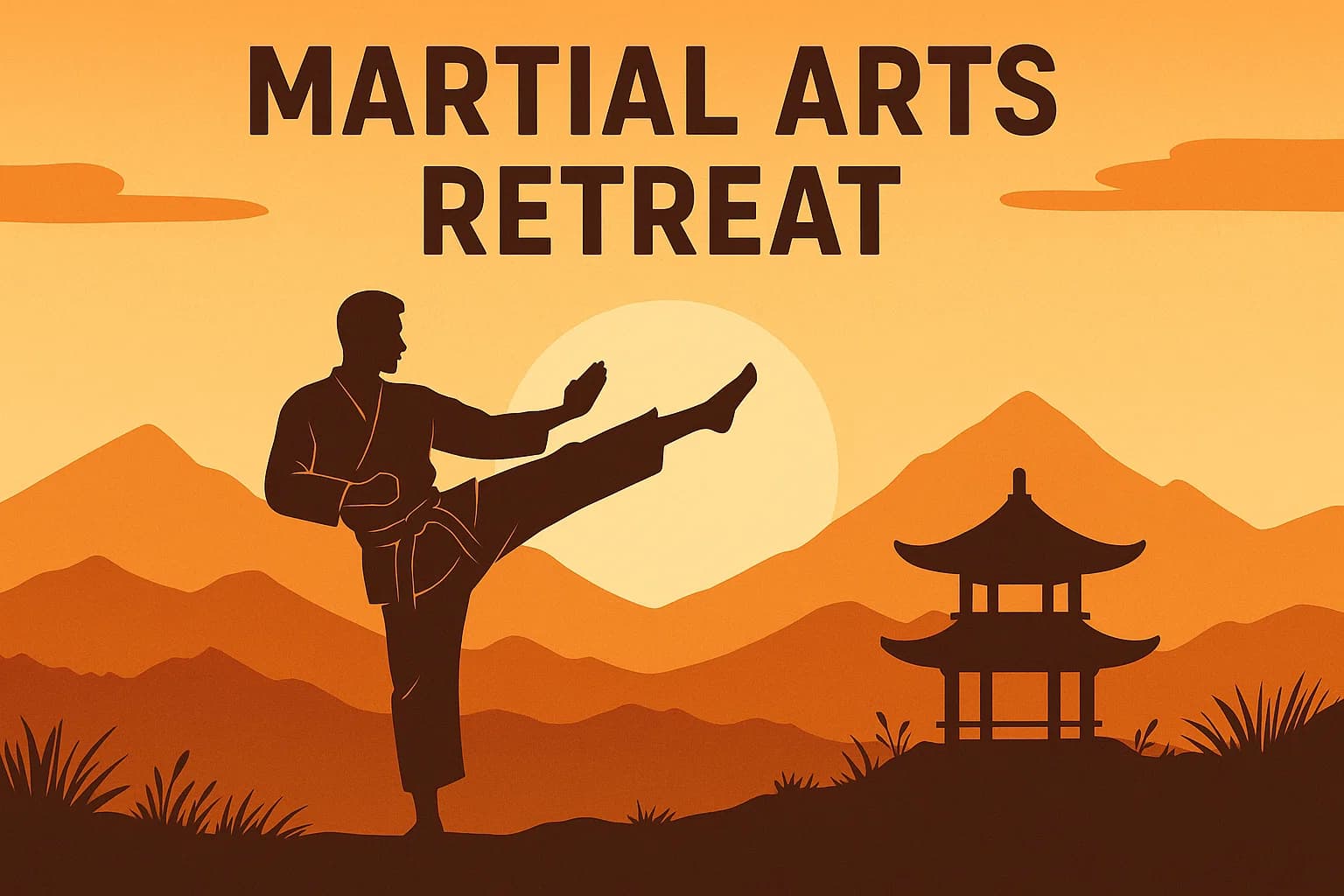
Picture this: Your students are pushing through their final kata as the sun sets over a mountain training ground, their focus sharper than ever after three days of intensive practice away from daily distractions. Sound like a dream? Organizing your own martial arts retreat can turn this vision into reality while strengthening your dojo community and taking everyone’s training to new heights.
Whether you’re a sensei looking to deepen your students’ practice or an experienced martial artist wanting to bring together practitioners from different styles, planning a martial arts retreat requires careful coordination but delivers incredible rewards. This comprehensive guide will walk you through every aspect of martial arts retreat planning, from initial concept to post-event follow-up.
With proper planning and the right approach, you can create a martial arts retreat that deepens practice, builds stronger bonds, and takes training to the next level. Let’s explore how to organize a martial arts camp that participants will talk about for years to come.
Read More: How to Host Fitness Retreats
What Makes a Successful Martial Arts Retreat
Defining Your Retreat Goals and Vision
Before booking venues or designing training schedules, clarify what you want to achieve with your martial arts retreat. Are you focusing on technical skill development, spiritual growth, competition preparation, or community building? Your goals will shape every decision that follows.
Consider these common retreat objectives:
• Technical advancement – Intensive training on specific techniques or forms
• Cross-training opportunities – Exposure to complementary martial arts styles
• Mental conditioning – Meditation, mindfulness, and warrior philosophy
• Physical conditioning – Fitness bootcamp elements alongside martial training
• Community strengthening – Building bonds between students and schools
• Cultural immersion – Exploring the origins and traditions of your martial art
Write down your top three goals and refer back to them when making planning decisions. This clarity helps you create a cohesive experience rather than a scattered collection of activities.
Understanding Your Target Participants
Knowing your audience shapes everything from location selection to training intensity. Survey potential participants early to understand their expectations, fitness levels, and constraints.
Key factors to assess include:
• Skill level range – Beginners, intermediate, or advanced practitioners
• Age demographics – Youth camps require different planning than adult retreats
• Training background – Single style versus mixed martial arts experience
• Physical limitations – Injuries or conditions requiring modifications
• Budget considerations – What participants can realistically afford
• Time availability – Weekend warriors versus those who can take a full week
Create participant profiles to guide your planning. For example, “working professionals aged 25-45 with 2-5 years of training experience who can afford $500-800 for a long weekend retreat” gives you clear parameters for decisions.
Key Elements Every Martial Arts Retreat Needs
Successful martial arts retreats share certain core components that create a complete experience:
Quality instruction goes beyond regular classes. Bring in guest instructors, offer specialized workshops, and provide individual attention that’s harder to achieve in regular dojo settings.
Progressive training structure builds skills systematically throughout the retreat. Start with fundamentals, layer in new concepts, and culminate in a memorable final session or demonstration.
Recovery and reflection time prevents burnout and allows lessons to sink in. Schedule meditation sessions, gentle stretching, or free time between intense training blocks.
Community activities strengthen bonds beyond the training floor. Shared meals, evening discussions, or cultural excursions create lasting connections between participants.
Clear communication keeps everyone informed and engaged. Provide detailed schedules, equipment lists, and expectations well before the retreat begins.
How to Choose the Perfect Location for Your Martial Arts Retreat
Indoor vs. Outdoor Training Venues
Your venue choice dramatically impacts the retreat experience and training possibilities. Both indoor and outdoor options offer unique advantages for martial arts training retreats.
Indoor venues provide:
• Controlled environment – Consistent temperature and weather protection
• Professional equipment – Mats, mirrors, and specialized training gear
• Multiple spaces – Separate areas for different skill levels or activities
• Safety features – First aid access and emergency protocols
Popular indoor options include dedicated martial arts facilities, community centers with gym spaces, retreat centers with multipurpose rooms, and university recreation facilities during breaks.
Outdoor venues offer:
• Natural inspiration – Training in nature adds spiritual dimension
• Varied terrain – Hills, sand, or grass for conditioning work
• Unlimited space – Room for large group formations and weapons training
• Memorable settings – Beach sunrises or mountain vistas enhance the experience
Consider beach resorts with private areas, mountain lodges with fields or clearings, camps with outdoor pavilions, and parks with reservable spaces.
Accommodation Options for Groups
Where participants sleep and eat significantly affects retreat dynamics and budget. Match accommodation style to your group’s needs and retreat goals.
All-inclusive retreat centers simplify logistics by bundling accommodation, meals, and training spaces. These venues often cater to group bookings and understand retreat needs. Expect to pay $75-150 per person per night including meals.
Shared vacation rentals work well for smaller groups wanting a family atmosphere. Large houses or connected condos allow communal cooking and evening gatherings. Budget $30-60 per person per night, plus food costs.
Hotel blocks offer privacy and professional service. Negotiate group rates and look for properties with conference rooms for training. Costs range from $60-120 per room per night, plus venue rental.
Camping options create an immersive experience for adventurous groups. Combine with outdoor training for a warrior bootcamp feel. Budget $15-30 per person per night, with additional meal planning needs.
Essential Facilities and Equipment Requirements
Create a detailed checklist of must-have facilities and equipment before committing to any venue:
Training space requirements:
• Minimum square footage (calculate 50-75 sq ft per person)
• Appropriate flooring (mats for grappling, wood for striking arts)
• Ceiling height for weapons work
• Mirrors for form correction
• Ventilation and climate control
• Sound system for instruction
Support facilities:
• Changing rooms and bathrooms
• Storage for personal gear
• First aid station
• Hydration stations
• Quiet space for meditation or recovery
• Social areas for meals and discussions
Equipment needs:
• Training mats or tatami
• Heavy bags and striking pads
• Training weapons (if applicable)
• Focus mitts and kick shields
• First aid supplies
• Recording equipment for seminars
Budget-Friendly Destination Ideas
Strategic location selection can significantly reduce costs while maintaining quality. Consider these dojo retreat ideas that balance affordability with experience:
Off-season destinations offer dramatic savings. Beach towns in early spring, mountain resorts in late summer, and tourist areas during shoulder seasons provide better rates and fewer crowds.
Rural retreat centers typically cost less than urban venues while offering peaceful settings ideal for focused training. Look within 2-3 hours of major cities for accessibility without premium pricing.
University campuses during breaks provide professional facilities at reasonable rates. Many offer package deals including dormitory accommodation and meal plans.
State and national parks with group camping facilities and pavilions offer natural beauty at minimal cost. Some provide lodge accommodations for year-round retreats.
International destinations in countries with favorable exchange rates can actually cost less than domestic options while adding cultural richness. Consider Mexico, Costa Rica, Thailand, or Eastern Europe.
Planning Your Martial Arts Retreat Schedule and Program
Balancing Training Sessions with Recovery Time
The most common mistake in retreat planning is overscheduling. Participants need time to absorb teachings, recover physically, and connect with fellow practitioners. Design a rhythm that challenges without exhausting.
Structure your daily schedule around energy levels:
Morning sessions (2-3 hours) should focus on technical instruction when minds are fresh. Cover new techniques, forms, or philosophical concepts requiring concentration.
Midday break (2-3 hours) allows for lunch, rest, and informal practice. Some participants may nap while others review morning lessons.
Afternoon sessions (1.5-2 hours) work well for physical conditioning, sparring, or partner drills when bodies are warm but not depleted.
Evening activities (1-2 hours) might include gentle stretching, meditation, lectures, or social time. Keep these optional for those needing extra recovery.
Build in complete rest periods. Schedule at least one afternoon or evening off during weekend retreats, and full rest days for week-long programs.
Incorporating Different Training Styles and Workshops
Variety keeps participants engaged while exposing them to new perspectives. Mix your core martial art with complementary disciplines and training methods.
Cross-training workshops might include:
• Yoga for flexibility and breathing
• Strength and conditioning circuits
• Weapons training from related arts
• Ground fighting for strikers
• Standing techniques for grapplers
• Traditional forms from parent arts
Specialty seminars add depth:
• Self-defense applications
• Competition strategies
• Teaching methodology
• Martial arts history and philosophy
• Injury prevention and treatment
• Nutrition for martial artists
Guest instructors bring fresh energy and expertise. Invite teachers from related styles, former champions, or specialists in areas like sports psychology or traditional medicine.
Adding Cultural and Team-Building Activities
Martial arts encompass more than physical techniques. Cultural activities and team experiences deepen understanding and strengthen group bonds.
Cultural immersion ideas:
• Traditional tea ceremonies
• Calligraphy or artwork sessions
• Language lessons for terminology
• Film screenings of martial arts classics
• Visits to cultural sites or museums
• Traditional music or drum workshops
Team-building activities:
• Group challenges and obstacle courses
• Partner trust exercises
• Team kata or demonstration preparation
• Shared meal preparation
• Evening discussions and story sharing
• Community service projects
Schedule these activities during lower-energy times or as alternatives to training for those needing rest.
Sample Daily Schedule Templates
Weekend Intensive Schedule (Friday-Sunday)
Friday:
• 5:00 PM – Arrival and check-in
• 6:30 PM – Welcome dinner and introductions
• 8:00 PM – Opening ceremony and goal setting
• 9:30 PM – Social time and rest
Saturday:
• 6:30 AM – Morning meditation or stretching
• 7:30 AM – Breakfast
• 9:00 AM – Technical workshop #1
• 12:00 PM – Lunch and rest
• 2:00 PM – Physical conditioning session
• 4:00 PM – Break and hydration
• 4:30 PM – Partner drills and application
• 6:00 PM – Dinner
• 7:30 PM – Philosophy discussion or film
• 9:00 PM – Optional practice or rest
Sunday:
• 7:00 AM – Morning movement session
• 8:00 AM – Breakfast
• 9:30 AM – Technical workshop #2
• 11:30 AM – Group demonstration prep
• 12:30 PM – Closing ceremony and lunch
• 2:00 PM – Departures
Week-Long Retreat Schedule Framework
Days 1-2: Foundation and assessment
• Establish training rhythm
• Assess participant levels
• Build group cohesion
• Introduce core concepts
Days 3-4: Intensive development
• Deep technical training
• Challenging physical sessions
• Individual corrections
• Small group work
Day 5: Rest and culture
• Light movement only
• Cultural activities
• Excursions or free time
• Group bonding
Days 6-7: Integration and culmination
• Apply learned techniques
• Testing or demonstrations
• Reflection sessions
• Celebration and closure
Setting Your Budget and Pricing Structure
Calculating All-Inclusive Costs
Accurate budgeting prevents financial stress and ensures a sustainable retreat model. Calculate every expense before setting participant prices.
Fixed costs (regardless of participant numbers):
• Venue rental or deposits
• Lead instructor fees and travel
• Insurance premiums
• Marketing materials
• Equipment rental or purchase
• Planning and administrative time
Variable costs (per participant):
• Accommodation per person
• Meals and snacks
• Training materials or manuals
• Welcome gifts or retreat merchandise
• Transportation during retreat
• Guest instructor fees (if split per person)
Create a spreadsheet with minimum and maximum participant scenarios. Include a 10-15% contingency buffer for unexpected expenses.
Sample budget for 20-person weekend retreat:
• Venue (training and accommodation): $3,000
• Meals (6 total): $1,200
• Guest instructor: $500
• Insurance: $300
• Materials and supplies: $200
• Marketing: $100
• Contingency: $500
• Total costs: $5,800
• Break-even price per person: $290
• Suggested price with profit: $375-425
Early Bird and Group Discount Strategies
Strategic pricing incentives drive early commitments and increase total attendance. Structure discounts to reward decisive action without undermining perceived value.
Early bird pricing creates urgency and improves cash flow:
• Offer 15-20% discount for registration 3+ months early
• Create multiple deadline tiers with decreasing discounts
• Require non-refundable deposits to secure early bird rates
• Market early bird deadline prominently in all communications
Group discounts encourage word-of-mouth marketing:
• 10% off for groups of 3-4 from same dojo
• 15% off for groups of 5+
• Free spot for organizer bringing 10+ participants
• Family discounts for related participants
Additional pricing strategies:
• Student/senior discounts (10-15%)
• Returning participant loyalty discount
• Payment plan options with small premium
• Scholarship spots for financial hardship
• Premium packages with private lessons or upgraded accommodation
Managing Deposits and Payment Plans
Clear payment policies protect both organizers and participants while making retreats accessible to more people. For comprehensive guidance on setting up payment structures, check out Offering Payment Plans to Customers: A Guide for Travel Companies.
Deposit structure recommendations:
• Require 30-50% non-refundable deposit to secure spot
• Set deposit deadline 60-90 days before retreat
• Allow deposit transfer to future retreats with notice
• Create waiting list for full retreats
Payment plan options:
• 3-month plan: Deposit, midpoint payment, final balance
• Monthly installments starting 4-6 months out
• Post-dated checks or automatic payments
• 5-10% premium for extended payment plans
Use SquadTrip’s payment collection tools to automate tracking and reminders, reducing administrative burden.
Hidden Costs to Account For
Avoid budget surprises by anticipating often-overlooked expenses:
Pre-retreat costs:
• Website or registration platform fees
• Payment processing charges (2.5-3.5%)
• Design and printing for promotional materials
• Travel for site visits
• Legal consultation for waivers
During-retreat expenses:
• Staff meals and accommodation
• Gasoline for transportation
• Replacement supplies for damaged equipment
• Medical supplies beyond basic first aid
• Tips for venue staff
• Photography or videography
Post-retreat costs:
• Thank you gifts for instructors
• Photo editing and distribution
• Follow-up communication materials
• Storage for purchased equipment
• Accounting or tax preparation
Build these into your initial budget rather than absorbing them from profits.
Marketing Your Martial Arts Retreat to Fill Spots
Creating Compelling Retreat Descriptions
Your retreat description must quickly convey value, build excitement, and address concerns. Focus on transformation and experience rather than just listing activities.
Headline formula: [Specific Benefit] + [Martial Art Style] + [Retreat Type] + [Compelling Location]
Example: “Elevate Your Karate: Intensive Mountain Training Retreat in Colorado Rockies”
Description structure:
Paragraph 1: Paint a picture of the experience and transformation
Paragraph 2: Highlight unique training opportunities and instructors
Paragraph 3: Describe the setting and accommodations
Paragraph 4: Address who should attend and skill requirements
Paragraph 5: Include logistics, dates, and clear call-to-action
Power words that convert:
• Intensive, immersive, transformative
• Expert, renowned, championship
• Exclusive, limited, intimate
• Breakthrough, elevate, master
• Authentic, traditional, innovative
Include specific details that differentiate your retreat: “Train with 3 world champions,” “Only 20 spots available,” “Includes traditional tea ceremony,” “All meals prepared by nutritionist.”
Leveraging Social Media and Your Network
Social media marketing for martial arts retreat planning requires consistent, strategic posting across multiple platforms.
Instagram strategies:
• Post training videos and technique demonstrations
• Share behind-the-scenes venue scouting photos
• Create countdown posts as retreat approaches
• Use Stories for Q&A sessions about the retreat
• Partner with martial arts influencers for reach
• Hashtags: #MartialArtsRetreat #DojoTraining #WarriorWeekend
Facebook tactics:
• Create dedicated event page with all details
• Share in relevant martial arts groups (with permission)
• Post testimonials from previous events
• Go live during planning milestones
• Run targeted ads to martial artists in your region
YouTube content:
• Upload “what to expect” video tours
• Interview confirmed instructors
• Share training previews and technique samples
• Create retreat recap videos for future marketing
Email marketing sequence:
• Announcement with early bird pricing
• Instructor spotlight features
• Participant testimonials
• Training schedule reveal
• Last chance reminders
• Waiting list notifications
Partner with Local Dojos and Instructors
Collaboration multiplies your marketing reach while building community relationships.
Dojo partnership strategies:
• Offer commission for referrals
• Provide group discounts for their students
• Guest teach at partner schools
• Exchange promotional materials
• Co-host information sessions
Instructor collaborations:
• Invite as guest teachers for credibility
• Ask them to share with their networks
• Offer free or discounted spots in exchange for promotion
• Create co-branded marketing materials
• Record joint promotional videos
Community outreach:
• Present at martial arts tournaments
• Set up booths at fitness expos
• Partner with martial arts equipment stores
• Connect with university martial arts clubs
• Reach out to corporate wellness programs
Building FOMO with Limited Spots
Scarcity and social proof drive action. Create authentic urgency without appearing manipulative.
Scarcity tactics:
• Genuinely limit spots for quality experience
• Display “X spots remaining” on all marketing
• Create waiting list when 80% full
• Share “SOLD OUT” announcement when full
• Mention previous retreats that filled quickly
Social proof elements:
• Post photos of registered participants
• Share excitement posts from confirmed attendees
• Display running count of registrations
• Highlight diversity of participants (locations, styles)
• Feature testimonials prominently
Urgency triggers:
• Countdown timers for early bird pricing
• “Last 3 spots” email campaigns
• Flash 48-hour discounts
• Bonus offerings for next 5 registrations
• Payment plan deadlines
Managing Logistics Like a Pro
Transportation and Travel Coordination
Smooth transportation sets the tone for your entire retreat. Coordinate arrival and departure logistics to minimize stress. For detailed guidance on group travel logistics, explore The Essential Guide to Planning Unforgettable Group Travel Experiences.
Airport coordination:
• Create shared spreadsheet with arrival times
• Arrange group shuttles for peak arrival windows
• Provide detailed directions for rental cars
• Partner with local transportation services
• Assign volunteer greeters for major arrival times
Local transportation:
• Arrange group vehicles for off-site activities
• Create carpooling groups from same regions
• Provide clear parking instructions
• Coordinate daily shuttle schedules if needed
• Plan for equipment transport
International travel considerations:
• Share visa requirements and processing times
• Recommend travel insurance options
• Provide currency exchange information
• Create WhatsApp group for real-time updates
• Arrange local SIM cards or WiFi devices
Meal Planning for Athletes and Dietary Restrictions
Proper nutrition fuels intensive training. Plan meals that satisfy, energize, and accommodate all participants.
Meal planning principles:
• Balance proteins, complex carbs, and healthy fats
• Schedule meals 2-3 hours before training
• Provide continuous hydration stations
• Offer snacks between sessions
• Include recovery nutrition post-training
Dietary accommodation strategies:
• Survey all dietary needs during registration
• Work with venues experienced in restrictions
• Label all foods clearly
• Provide multiple options at each meal
• Keep emergency snacks for special diets
Sample meal structure:
• Breakfast: Eggs, oatmeal, fruit, toast, yogurt
• Lunch: Lean proteins, quinoa/rice, vegetables, salads
• Dinner: Varied proteins, starches, cooked vegetables
• Snacks: Nuts, fruit, protein bars, vegetables with hummus
• Hydration: Water, electrolyte drinks, herbal teas
Insurance and Liability Considerations
Proper insurance and legal protection are non-negotiable for martial arts camp organizers.
Essential coverage types:
• General liability insurance for premises
• Professional liability for instruction
• Participant accident insurance
• Equipment coverage
• Cancellation insurance for large retreats
Waiver requirements:
• Comprehensive liability release
• Medical information disclosure
• Emergency contact details
• Photo/video release permissions
• COVID-19 acknowledgments
Work with a lawyer familiar with martial arts to create bulletproof waivers. Have participants sign during registration, not upon arrival.
Risk management strategies:
• Verify all instructor credentials and insurance
• Establish clear safety protocols
• Maintain appropriate instructor-to-student ratios
• Create emergency action plans
• Keep detailed incident reports
Creating Welcome Packets and Schedules
Professional welcome materials set expectations and reduce day-of confusion.
Physical welcome packet contents:
• Personalized welcome letter
• Detailed schedule with locations
• Map of venue and facilities
• Room assignment and key
• Contact list for staff and emergency numbers
• Local area information
• Retreat merchandise (t-shirt, water bottle)
Digital resources:
• PDF schedule for phones
• WhatsApp or GroupMe chat links
• Spotify playlist for training
• Technique videos for preparation
• Google Maps pins for all locations
Pre-arrival communication timeline:
• 1 month out: Final logistics email
• 2 weeks out: Packing list and weather update
• 1 week out: Schedule and excitement builder
• 2 days out: Final reminders and contact info
• Arrival day: Welcome message and check-in details
Running Your Retreat: Day-of Management Tips
Setting the Right Atmosphere from Day One
First impressions shape the entire retreat experience. Create an environment that immediately signals this is something special.
Arrival experience:
• Greet each participant personally
• Have check-in organized and efficient
• Play background music that sets the mood
• Offer refreshments during registration
• Give brief facility tours to early arrivals
Opening ceremony elements:
• Formal welcome from lead instructor
• Participant introductions with training background
• Statement of retreat goals and expectations
• Group agreement on training etiquette
• Traditional opening ritual if appropriate
• Ice-breaker activity to build comfort
Environmental considerations:
• Display martial arts banners or flags
• Ensure training spaces are pristine
• Set up hydration stations before needed
• Create quiet zones for meditation
• Establish social spaces for connection
Handling Common Challenges and Conflicts
Even well-planned retreats encounter unexpected situations. Prepare responses for common issues.
Skill level disparities:
• Pair advanced with beginners for mutual benefit
• Offer modified techniques for different levels
• Create breakout groups when needed
• Emphasize personal progress over comparison
• Assign assistant instructors to struggling participants
Personality conflicts:
• Address issues privately and quickly
• Rearrange training partners if needed
• Remind participants of martial arts values
• Use conflicts as teaching opportunities about respect
• Have clear policies for unacceptable behavior
Physical challenges:
• Monitor for signs of overtraining
• Encourage rest without shame
• Provide modification options
• Keep ice and first aid readily available
• Have clear protocols for injuries
Logistical hiccups:
• Maintain calm and positive attitude
• Have backup plans for activities
• Communicate changes clearly and quickly
• Turn problems into adventures when possible
• Document issues for future improvement
Keeping Energy and Engagement High
Multi-day intensive training can drain enthusiasm. Build in energy management strategies.
Energy boosting tactics:
• Start each session with energizing warm-ups
• Play appropriate music during training
• Celebrate small victories publicly
• Vary training intensity throughout the day
• Introduce surprise elements or special guests
• Use partner changes to maintain freshness
Engagement strategies:
• Give participants leadership roles
• Create mini-competitions or challenges
• Encourage peer teaching moments
• Ask for feedback and adjust accordingly
• Share progress observations
• Build toward culminating achievement
Mid-retreat adjustments:
• Check in with participants individually
• Be willing to modify schedule if needed
• Address energy dips with group discussion
• Inject humor and playfulness appropriately
• Remind participants of their goals
• Preview exciting upcoming sessions
Capturing Content for Future Marketing
Document your retreat strategically for future promotional use while respecting participant privacy.
Photo opportunities:
• Group shots in formation
• Action shots during training
• Candid moments of connection
• Scenic training locations
• Before/after transformation shots
• Instructor demonstration highlights
Video content ideas:
• Daily recap interviews
• Technique demonstration clips
• Participant testimonials
• Time-lapse of training sessions
• Behind-the-scenes footage
• Closing ceremony highlights
Content capture tips:
• Assign dedicated photographer/videographer
• Get signed media releases from all participants
• Create shot list in advance
• Capture during high-energy moments
• Include diverse participants in shots
• Document unique or unexpected moments
Post-retreat content plan:
• Edit highlight reel within one week
• Share photos in online album for participants
• Create social media content calendar
• Develop testimonial graphics
• Prepare “remember when” posts for later
• Save raw footage for multiple uses
Post-Retreat Follow-Up and Community Building
Gathering Feedback and Testimonials
Systematic feedback collection improves future retreats and provides valuable marketing material.
Feedback timeline:
• Day of departure: Quick verbal check-ins
• 48 hours post: Send digital survey while fresh
• 1 week later: Follow up for detailed testimonials
• 1 month later: Check on goal progress
Survey question categories:
• Training quality and variety
• Instructor effectiveness
• Venue and accommodations
• Meals and nutrition
• Organization and communication
• Value for money
• Likelihood to recommend
• Suggestions for improvement
Testimonial prompts:
• What was your biggest breakthrough?
• How did the retreat exceed expectations?
• What would you tell someone considering attending?
• What specific skills or insights did you gain?
• How has your training changed since returning?
Incentivizing feedback:
• Offer early bird discount for next retreat
• Provide professional photos in exchange
• Enter respondents in prize drawing
• Share compilation video with contributors
• Feature testimonials on website with permission
Maintaining Momentum with Your Group
The retreat’s impact extends beyond the final session. Foster continued connection and growth.
Immediate follow-up (Week 1):
• Send thank you message with highlight photos
• Share contact list (with permissions)
• Create private Facebook group or forum
• Provide training plan to maintain progress
• Schedule optional virtual check-in
Short-term engagement (Month 1):
• Host virtual training session
• Share technique review videos
• Celebrate participant achievements
• Facilitate training partner connections
• Send motivational challenges
Long-term community building:
• Monthly online seminars
• Regional mini-reunions
• Anniversary celebration posts
• Advanced technique progressions
• Peer mentorship programs
• Alumni discounts for future events
Planning Your Next Retreat
Use momentum and lessons learned to build a sustainable retreat program. Consider exploring How to Plan a Retreat: A Comprehensive Guide to Creating the Perfect Retreat Experience for additional insights.
Evaluation process:
• Review feedback systematically
• Analyze financial performance
• Document what worked and what didn’t
• Update templates and checklists
• Revise marketing materials
• Adjust pricing based on demand
Building retreat series:
• Create progression from beginner to advanced
• Develop seasonal retreat themes
• Establish signature annual events
• Expand to different locations
• Add specialty workshops
• Consider instructor certification programs
Scaling strategies:
• Train assistant organizers
• Develop systems and templates
• Build email list of interested participants
• Create early bird list for next retreat
• Partner with other organizers
• Consider franchise or licensing model
Leverage SquadTrip’s platform to streamline planning and manage multiple retreats efficiently.
Call to Action
Ready to take your martial arts retreat from idea to reality? You’ve got the blueprint for creating an unforgettable training experience that will strengthen your martial arts community and elevate everyone’s practice. The key to success lies in starting early, planning thoroughly, and maintaining clear communication with your participants.
SquadTrip makes organizing group travel seamless with built-in payment collection, itinerary management, and communication tools designed specifically for group organizers. Stop juggling spreadsheets and chasing payments. Our platform handles the logistics so you can focus on creating an incredible martial arts experience.
Check out our guide on “Planning Active Group Trips That Everyone Will Love” for more tips on organizing athletic retreats, or dive right in and start planning your martial arts retreat today. Your students are ready for their next level of training, and you’re ready to lead them there.
Sign up to SquadTrip’s Free account
FAQs
1. How far in advance should I start planning a martial arts retreat?
Start planning at least 6-8 months in advance for international retreats or 3-4 months for local weekend retreats. This gives you time to secure venues, market effectively, and allow participants to plan their schedules and budgets. Begin with venue booking and instructor confirmation, as these often have the longest lead times. Create your marketing timeline working backward from your retreat date, allowing at least 2-3 months of active promotion to fill spots.
2. What’s the ideal group size for a first-time martial arts retreat?
For your first retreat, aim for 15-25 participants. This size is manageable while still creating good group energy and covering your costs. Smaller groups allow for more personalized instruction and easier logistics management, while still providing enough diversity for partner work and social dynamics. As you gain experience and develop systems, you can scale up to 30-50 participants or even larger groups for special events.
3. Do I need special insurance to run a martial arts retreat?
Yes, you’ll need liability insurance that specifically covers martial arts activities and retreats. Check with your current martial arts insurance provider about adding retreat coverage or securing event-specific insurance. Most standard dojo policies don’t automatically cover off-site retreats or multi-day events. Budget approximately $300-500 for weekend retreat coverage, and ensure all guest instructors carry their own professional liability insurance.
4. How do I price my martial arts retreat competitively?
Research similar retreats in your area, calculate your break-even point with a 20-30% profit margin, and consider offering tiered pricing with early bird discounts. Most martial arts retreats range from $300-500 per person for weekends to $1,500-3,000 for week-long international retreats. Factor in your unique value propositions like guest instructors, special locations, or included amenities when setting prices above market average.
5. What if I don’t have enough instructors for multiple sessions?
Partner with guest instructors from different styles or invite senior students to lead specific workshops. This adds variety to your program and helps build relationships with other martial arts communities. Consider reaching out to former training partners, tournament connections, or instructors from complementary disciplines. Offering them free retreat attendance or a teaching fee can secure quality instruction while expanding your network.