TL;DR :
• Group trips in 2026 work best when everything lives in one place instead of scattered across chats and spreadsheets.
• SquadTrip offers the strongest all in one setup with payment plans, guest dashboards, forms, and real time itineraries.
• WeTravel is ideal for teams that need solid payment processing and financial workflows for large groups.
• Travefy works well for agents who want polished, client friendly itineraries.
• TripIt is a simple option for small groups that only need shared schedules and alerts.
• PlanHarmony helps friends plan casual trips with polls, notes, and shared budgets.
• Choose your tool based on the complexity of your trip, the number of guests, and how much payment or itinerary support you need.
Introduction
The best group trip planning tools in 2026 are SquadTrip (best for payment collection + trip pages), WeTravel (best for tour operator payouts), Travefy (best for polished itineraries), TripIt (best for itinerary tracking), and Splitwise (best for post-trip expense splitting). The right choice depends on whether you need to collect money upfront, coordinate logistics, or both.
SquadTrip focuses on full group management with payments, forms, and itineraries in one place. WeTravel helps organizers handle finances with strong payment and payout tools. Travefy is known for clean itineraries that help travelers understand their schedule at a glance. Whether you are planning a retreat, a friends trip, a corporate getaway, or a workshop, the right platform removes most of the manual work — here is how they compare side by side.
Why You Need a Group Trip Planning Tool in 2026
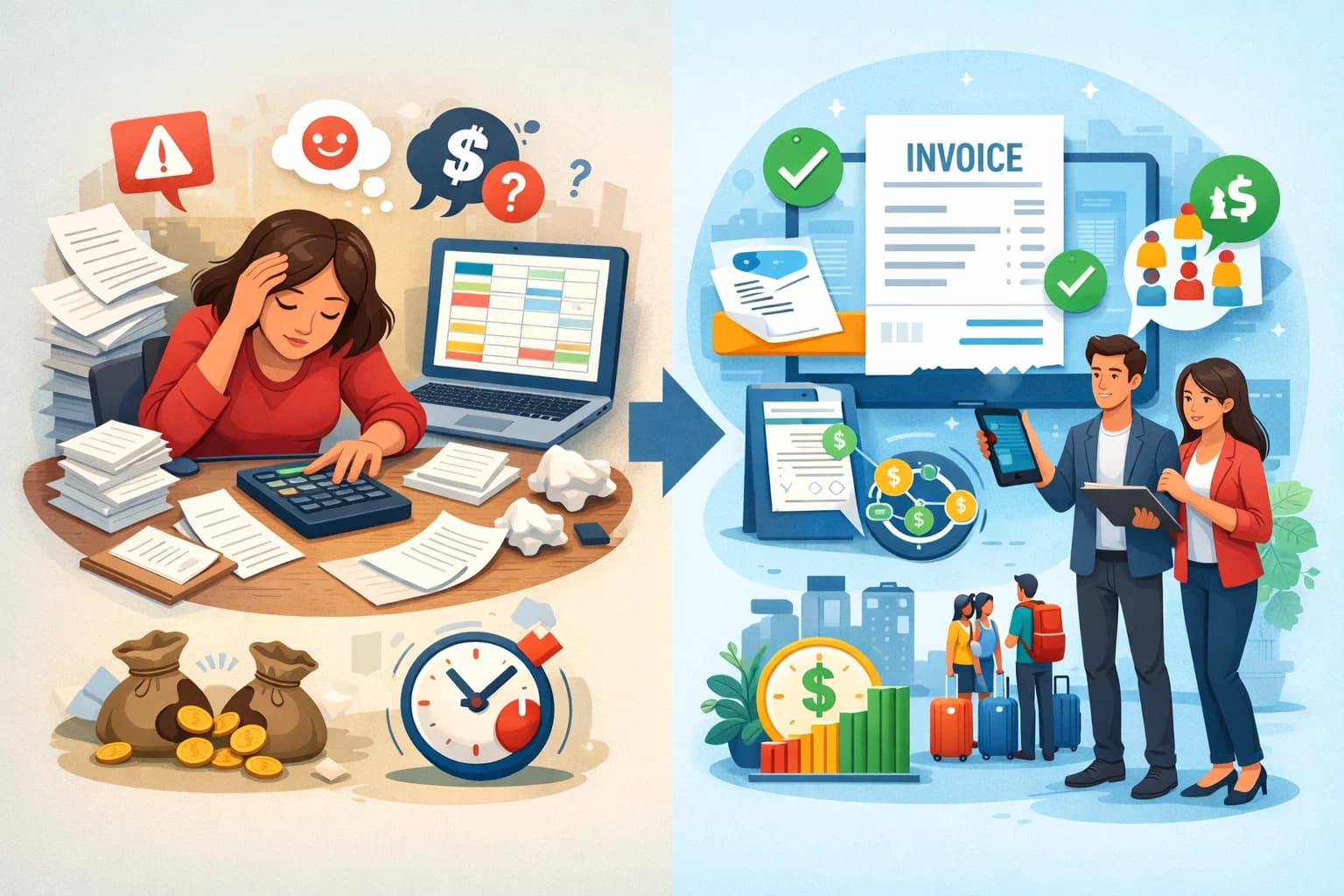
Group trips fall apart when information sits across multiple apps.
A central tool fixes this by keeping everything connected.
You get :
• Payment tracking without manual reminders
• Itineraries that update instantly
• Forms and waivers in one link
• Clear communication with your group
• Guest dashboards that reduce confusion
• Automation so you spend less time on follow ups
Once you start using a dedicated tool, planning becomes predictable and much less stressful.
Read More : How to Plan a Group Trip
5 Best Tools for Group Trip Planning in 2026
1. SquadTrip
SquadTrip is the most complete tool for planning group trips in 2026. It is built for hosts who want simple setup, smooth payments, and a clear workflow for managing guests. Instead of juggling spreadsheets, chats, and payment reminders, everything lives in one dashboard — from the moment a guest books to the day of the trip.
What SquadTrip Helps You Do
SquadTrip keeps the entire trip in one dashboard. You can create a booking page, set payment plans, collect traveler details, share itineraries, and communicate with your group. Guests get their own dashboard where they can pay, fill forms, and see updates.
This makes it far easier to run retreats, wellness trips, workations, and large group vacations.
Detailed Feature Breakdown
- Payment PlansHosts can set deposit amounts, split payments, due dates, and automatic reminders. This helps avoid chasing guests manually.
- Buy Now Pay LaterGuests can check out with Klarna, Affirm, or Afterpay — splitting the cost over time while the host gets paid upfront.
- Custom FormsYou can collect passport info, waivers, health details, preferences, or anything else using custom fields.
- Real Time ItinerariesGuests always see the updated schedule. If a timing changes, the dashboard updates instantly.
- Rooming ListsHelps hosts avoid room confusion. You can assign guests or let them choose.
- Guest DashboardA single link where travelers can check payments, forms, documents, and updates.
- MessagingHosts can send trip updates without jumping between WhatsApp and email.
- Easy Trip SetupTrips can go live within minutes because the builder is clean and simple.
Why Hosts Prefer It
SquadTrip focuses on reducing manual work. The workflow feels natural even for beginners, which is why retreat hosts, group planners, and travel creators rely on it for smooth coordination.
See why hosts choose SquadTrip
Create a booking page in minutes, set up automated payment plans, and give every guest a dashboard to track their trip details.
Try SquadTrip free2. WeTravel
WeTravel is a strong payment system built for travel companies, tour leaders, and organizers managing recurring group bookings. It shines when your biggest challenge is collecting payments, managing invoices, and handling payout workflows.
What WeTravel Helps You Do
It gives you control over money flow. You can set payment timelines, accept partial payments, track incoming revenue, and move funds between accounts. This helps companies keep finances organized for large volume trips.
Detailed Feature Breakdown
- Installment PaymentsAccept deposits upfront, then schedule installments tied to automatic reminders.
- Financial DashboardsSee payment status, revenue forecasts, and money collected per trip.
- Registration PagesCreate simple pages that allow travelers to sign up quickly.
- Refund and Adjustment ToolsHelps when plans change and you need flexibility.
- Payout ManagementMove money to your business account or split payouts among vendors.
- IntegrationsWorks with tools like QuickBooks to support accounting teams.
Why Hosts Choose It
WeTravel is ideal for teams that operate like a business. If you manage multiple groups, several departures, and complex financial structures, this tool supports the backend far better than general group planning apps.
Read More : WeTravel Payout Issues
3. Travefy
Travefy is the go to tool for travel agents who want to create clean, professional itineraries. The platform focuses on design quality and client experience, making the final schedule easy to follow.
What Travefy Helps You Do
It helps you build detailed day by day itineraries that look polished. You can add photos, notes, maps, activities, and clickable links. Travelers view everything in a clean layout on desktop or mobile.
Detailed Feature Breakdown
- Drag and Drop Itinerary BuilderBuild multi day plans with text, images, timings, and maps.
- Client ProposalsPresent trip ideas for approval before finalizing the itinerary.
- Messaging ToolsSend clients updates or revised versions without long email chains.
- Library of ElementsSave your frequently used hotels, activities, and sections to reuse later.
- PDF and Mobile VersionsGuests can download the itinerary or view it in their browser.
- Collaborative EditingTeams can work together on the same project when needed.
Why Hosts Choose It
Travefy focuses on the presentation layer. If your goal is to wow clients with clean layouts and easy viewing, Travefy gives you more design freedom than most group trip tools. It is perfect for agents, planners, and boutique travel designers.
4. TripIt
TripIt is simple but effective for small groups that want one place to view all flight, hotel, and activity details.
Detailed Feature Breakdown
• Auto import from email
• Real time flight alerts
• Shared itineraries
• Mobile tracking
• Airport and map tools
TripIt works well when you want coordination but not heavy planning.
5. PlanHarmony
PlanHarmony is a good choice for casual group decision making.
Detailed Feature Breakdown
• Polls for dates and locations
• Shared notes
• Budget split calculators
• Simple task checklists
It is best suited for informal trips with friends or small groups.
How to Choose the Best Tool for Your Group Trip
Your choice depends on what you care about most.
1. Choose SquadTrip if you want
• Easy payment plans
• Guest dashboards
• Real time itineraries
• Forms and waivers
• Full group management
2. Choose WeTravel if you want
• Strong financial tools
• Installment plans
• Payout workflows
3. Choose Travefy if you want
• Polished itineraries
• Clean proposals for clients
4. Choose TripIt if you want
• A shared travel schedule
• Real time mobile alerts
5. Choose PlanHarmony if you want
• Group decision making
• Budget polling
Ready to simplify your next group trip?
SquadTrip handles payments, itineraries, forms, and guest management — all in one place. No more juggling multiple tools.
Try SquadTrip freeSide-by-Side Comparison
| Feature | SquadTrip | WeTravel | Travefy | TripIt | PlanHarmony |
|---|---|---|---|---|---|
| Payment collection | ✓ Auto | ✓ Auto | ✗ | ✗ | ✗ |
| Installment plans | ✓ | ✓ | ✗ | ✗ | ✗ |
| BNPL (Klarna/Affirm) | ✓ | ✗ | ✗ | ✗ | ✗ |
| Guest dashboard | ✓ | ✗ | ✗ | ✗ | ✗ |
| Itinerary builder | ✓ | ✓ | ✓ | ✓ | ⚠ Basic |
| Group chat | ✓ | ✗ | ✗ | ✗ | ✗ |
| Registration forms | ✓ | ✓ | ✗ | ✗ | ✗ |
| Free tier | ✓ | ⚠ Limited | ⚠ Trial | ✓ | ✓ |
| Best for | All-in-one group trips | Tour operator payouts | Agent itineraries | Simple schedule sharing | Casual friend trips |
What Changed in 2026
BNPL (Buy Now Pay Later) has become a major differentiator for group trip tools. Platforms that offer Klarna, Affirm, or Afterpay at checkout see higher booking conversion because travelers can commit without paying the full amount upfront. SquadTrip is currently the only group trip planning tool with built-in BNPL support, which is worth considering if your trips are priced above $500 per person.
Final Thoughts
Group trips run smoother when you have a tool that keeps everyone aligned. Payments are tracked automatically. Guests know where to find updates. Itineraries stay current. Forms and documents stay in one place.
For most group trips in 2026, SquadTrip offers the strongest all in one experience. It covers payments, itineraries, communication, forms, and guest management without making the host do extra work.
Frequently Asked Questions
1. What is the best tool for group trip planning in 2026?
SquadTrip is the best overall choice for most group trips because it handles payments, itineraries, forms, reminders, and guest management in one place. It reduces manual work and gives travelers a clean dashboard to follow.
2. Which tool is best for managing payments?
WeTravel is the strongest option for payment processing. It supports deposits, installment plans, payouts, refunds, and financial reports. It works well for travel companies and organizers that run multiple paid trips.
3. Which tool should I choose if I only need a clean itinerary?
Travefy is a good fit. It creates polished, easy to follow itineraries that guests can view on mobile or download as PDFs. It is popular with travel agents.
4. What if I’m planning a small friends trip?
TripIt or PlanHarmony works well. TripIt helps everyone stay aligned with a shared plan, while PlanHarmony helps with polls, notes, and simple decisions.
5. Can these tools handle payment reminders automatically?
Yes. SquadTrip and WeTravel both send automatic payment reminders so you do not have to follow up manually.