TL;DR
• Gardening retreats help people disconnect from digital stress and reset through hands-on gardening and simple wellness practices.
• These retreats lower cortisol, boost mood, and create a calmer daily rhythm through soil work, fresh air, and mindful routines.
• A typical day includes gardening sessions, workshops, farm-to-table meals, and relaxed downtime in nature.
• Choosing the right retreat depends on goals, location, program length, and how immersive you want the experience to be.
• With SquadTrip, hosts can plan and manage nature-based retreats that feel restorative, organized, and easy to run.
Introduction
Do you find yourself scrolling through your phone even during supposed “relaxation” time, feeling more drained than recharged? Sound familiar? You’re not alone in craving a genuine disconnect from the digital world and a meaningful reconnection with something real, tangible, and healing.
Gardening retreats have emerged as a powerful antidote to modern stress, offering far more than just a weekend away. These carefully crafted experiences blend the therapeutic benefits of working with soil and plants with proven wellness practices, creating an environment where stress naturally melts away. Research from environmental psychology shows that just three days at a gardening retreat can lower cortisol levels by up to 30% and improve mood markers for weeks afterward.
Whether you’re seeking relief from burnout, looking to develop practical gardening skills, or simply yearning for a deeper connection with the natural world, gardening retreats provide transformative experiences that create lasting change. Ready to discover how getting your hands dirty can clean up your mental state? Let’s explore why gardening retreats are becoming the go-to choice for stressed professionals seeking genuine restoration.
Read More: Yoga Retreats vs Meditation Retreats
What Are Gardening Retreats and Why Are They Gaining Popularity?
Understanding the Gardening Retreat Experience
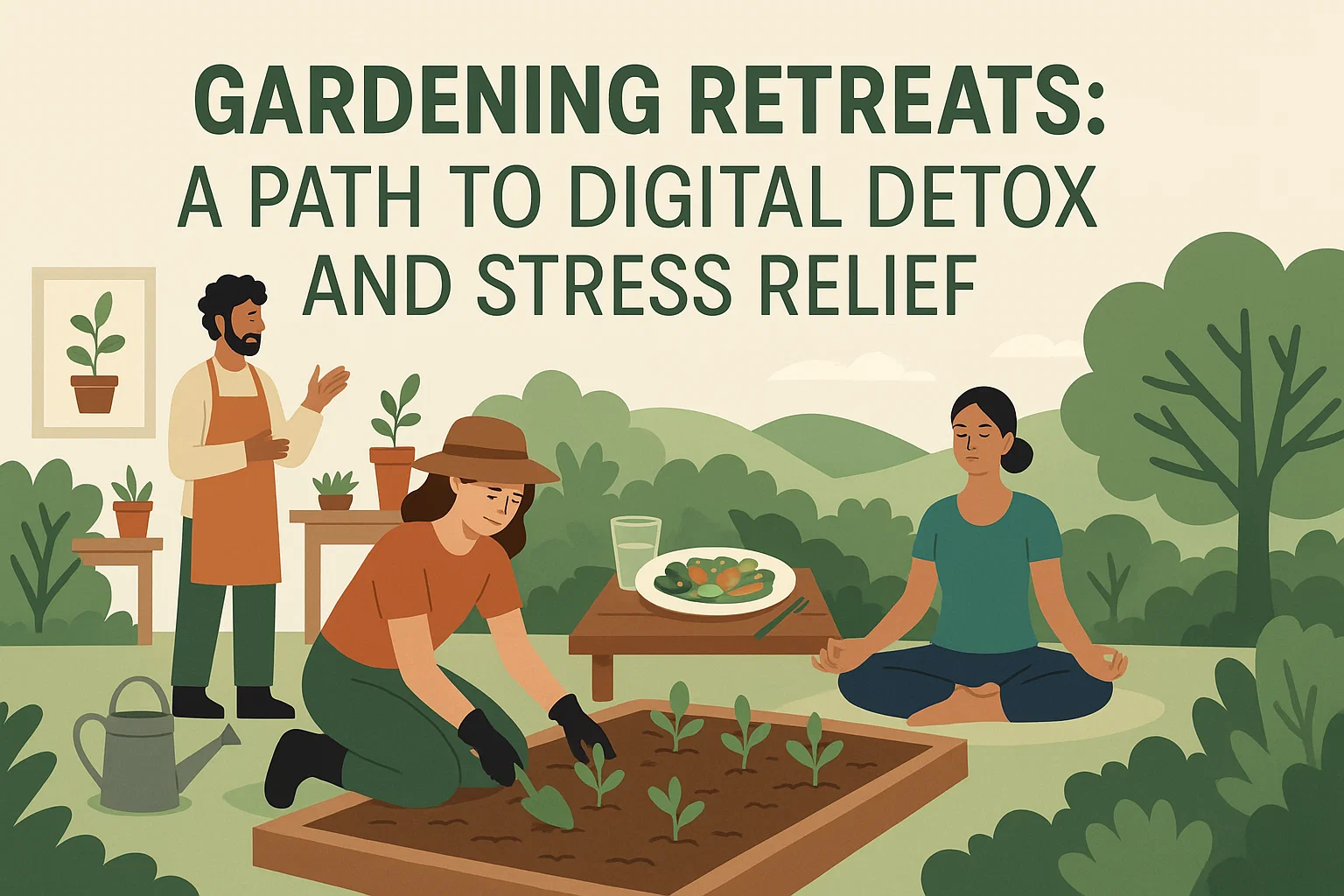
Gardening retreats represent a unique fusion of agricultural education, wellness programming, and nature immersion. Unlike traditional vacations where relaxation is passive, these retreats engage participants in purposeful, grounding activities that reconnect body and mind through direct contact with the earth.
Core components of gardening retreats include:
• Hands-on gardening workshops led by expert horticulturists
• Mindfulness and meditation sessions in garden settings
• Farm-to-table meals featuring fresh, organic produce
• Educational talks on sustainable living and permaculture
• Quiet reflection time in natural surroundings
• Small group activities that foster community connection
Typical daily schedules balance active gardening work with restorative practices. Mornings often begin with gentle stretching or yoga in the garden, followed by 2-3 hours of gardening activities like planting, harvesting, or composting. Afternoons might include workshops on topics like seed saving or herbal medicine, while evenings are reserved for communal meals and relaxation.
The variety of nature retreats available means there’s something for every interest level:
• Beginner-friendly programs focusing on basic gardening fundamentals
• Permaculture intensives for those interested in sustainable design
• Medicinal herb retreats combining gardening with natural wellness
• Farm stays offering immersive agricultural experiences
• Urban gardening workshops for city dwellers with limited space
The Rising Trend of Nature-Based Wellness Tourism
The wellness tourism industry has exploded to a $651 billion market, with nature-based experiences showing the strongest growth. Garden therapy programs specifically have seen a 40% increase in participation since 2020, driven by a collective recognition of nature’s healing power. This mirrors the broader wellness travel trends that prioritize authentic, transformative experiences over traditional tourism.
This shift toward experiential travel reflects changing priorities. Modern travelers increasingly seek transformative experiences over traditional sightseeing. They want to return home with new skills, improved wellbeing, and meaningful connections rather than just photos.
The appeal of horticultural therapy retreats spans generations:
• Millennials and Gen Z appreciate the Instagram-worthy aesthetics combined with genuine digital detox opportunities
• Gen X professionals value stress reduction and skill-building aspects
• Baby Boomers enjoy the gentler physical activity and social connections
• Retirees find purpose and community in longer-term programs
7 Science-Backed Ways Gardening Retreats Reduce Stress
Physical Benefits of Gardening Activities
The physical act of gardening triggers remarkable changes in your body’s stress response system. When you engage in wellness gardening, you’re not just growing plants; you’re cultivating better health through multiple physiological pathways.
1. Dramatic Cortisol Reduction
Studies from the Journal of Health Psychology demonstrate that 30 minutes of gardening activities lower cortisol levels more effectively than indoor reading. Participants in gardening retreats show sustained cortisol reduction lasting up to three weeks post-retreat.
2. Enhanced Sleep Quality
The combination of physical activity, natural light exposure, and reduced screen time during gardening retreats resets circadian rhythms. Participants report:
• Falling asleep 23% faster
• Experiencing 40% fewer nighttime awakenings
• Waking feeling more refreshed and energized
3. Gentle, Therapeutic Movement
Gardening provides low-impact exercise that:
• Improves flexibility through stretching and reaching
• Builds functional strength via digging and lifting
• Enhances balance and coordination
• Burns 200-400 calories per hour without joint stress
Mental and Emotional Wellness Impacts
Beyond physical benefits, gardening retreats create profound psychological shifts that address root causes of chronic stress.
4. Mindfulness Through Repetitive Tasks
The rhythmic nature of gardening activities like weeding, watering, and seed planting naturally induces meditative states. This “soft fascination” allows the mind to rest while remaining gently engaged, promoting:
• Reduced rumination and worry
• Increased present-moment awareness
• Improved emotional regulation
5. Breaking Negative Thought Patterns
Working with plants provides immediate, tangible feedback that interrupts anxiety spirals. When you’re focused on nurturing seedlings or harvesting vegetables, there’s little mental space for stress-inducing thoughts.
6. Confidence Through Skill Development
Learning new gardening techniques builds self-efficacy. Mastering skills like:
• Identifying plant diseases
• Creating compost systems
• Propagating plants from cuttings
• Designing garden layouts
…provides lasting confidence that transfers to other life areas.
7. Achievement and Purpose
Watching seeds transform into flourishing plants satisfies deep psychological needs for growth and accomplishment. This tangible progress combats feelings of stagnation common in modern work life.
How to Choose the Right Gardening Retreat for Your Needs
Factors to Consider When Selecting a Retreat
Choosing the perfect gardening retreat requires thoughtful consideration of your goals, preferences, and practical constraints. Here’s what to evaluate:
Location and Climate Preferences
• Tropical settings offer year-round growing seasons and exotic plant varieties
• Temperate locations provide seasonal diversity and familiar growing conditions
• Mountain retreats combine gardening with hiking and forest therapy
• Coastal programs integrate ocean elements with garden experiences
Consider travel distance and whether you prefer staying close to home or combining your retreat with destination travel.
Duration and Intensity Levels
• Weekend workshops (2-3 days): Perfect for beginners or those with limited time
• Week-long programs (5-7 days): Allow deeper immersion and skill development
• Extended stays (2+ weeks): Offer transformation and comprehensive learning
• Day retreats: Provide taste of garden therapy without overnight commitment
Group Size and Social Dynamics
• Intimate groups (6-10 people): Foster close connections and personalized attention
• Medium groups (15-20 people): Balance social interaction with personal space
• Large programs (25+ people): Offer diverse perspectives and networking opportunities
• Solo options: Some retreats offer individual programs for introverted travelers
Accommodation Types and Amenities
• Rustic farm stays: Authentic experiences with basic comforts
• Eco-lodges: Sustainable luxury with modern amenities
• Camping options: Full nature immersion for adventurous spirits
• Boutique retreat centers: Comfortable accommodations with spa services
Popular Gardening Retreat Destinations
Best North American Locations
California’s Central Coast offers year-round growing conditions and established permaculture centers. Popular retreats here combine gardening with wine country experiences and coastal relaxation.
Vermont and New England provide quintessential farm experiences with maple sugaring, apple orchards, and traditional homesteading skills during spectacular fall foliage seasons.
Pacific Northwest retreats focus on forest gardening, mushroom cultivation, and rain-garden techniques in lush, green environments.
Southwest Desert Regions teach xeriscaping, drought-resistant gardening, and indigenous agricultural practices in stunning high-desert settings.
International Gardening Retreat Hotspots
Tuscany, Italy combines gardening with culinary experiences, teaching Mediterranean growing techniques while enjoying world-class cuisine.
Costa Rica offers tropical permaculture programs in biodiverse rainforest settings with opportunities for wildlife observation. These destinations pair perfectly with other affordable all-inclusive wellness retreats in the region.
Japan provides unique Zen garden experiences, teaching principles of Japanese landscape design and mindful cultivation.
New Zealand features regenerative agriculture programs on working farms with stunning mountain and coastal backdrops.
Seasonal Considerations
• Spring (March-May): Peak planting season with maximum learning opportunities
• Summer (June-August): Abundant harvests and long daylight hours
• Fall (September-November): Harvest celebrations and preservation techniques
• Winter (December-February): Planning workshops and greenhouse growing in colder climates
What to Expect During Your First Gardening Retreat
Daily Activities and Schedule
Your typical day at a gardening retreat balances active learning with restorative practices, creating rhythm that naturally reduces stress while building skills.
Morning Gardening Sessions (6:30 AM – 9:30 AM)
Days begin early to take advantage of cool morning temperatures. After optional sunrise yoga or meditation, you’ll engage in hands-on gardening:
• Monday: Garden orientation and tool introduction
• Tuesday: Soil preparation and composting basics
• Wednesday: Planting techniques and seed starting
• Thursday: Pest management and companion planting
• Friday: Harvesting and post-harvest handling
• Weekend: Design your own garden bed project
Educational Workshops and Demonstrations (10:00 AM – 12:00 PM)
Mid-morning brings focused learning sessions:
• Permaculture design principles
• Water conservation techniques
• Natural pest control methods
• Propagation and grafting demonstrations
• Herb identification walks
• Seasonal food preservation
Farm-to-Table Meals and Nutrition Focus (12:30 PM – 2:00 PM)
Lunch becomes educational experience itself. You’ll:
• Harvest ingredients for meals
• Learn recipe adaptations using garden produce
• Discuss nutritional benefits of fresh vegetables
• Participate in cooking demonstrations
• Share meals in communal settings
Afternoon Free Time and Optional Activities (2:00 PM – 5:00 PM)
Afternoons offer flexibility:
• Rest in hammocks among gardens
• Explore surrounding nature trails
• Practice newly learned techniques
• Journal or sketch in garden settings
• Receive one-on-one gardening consultations
Evening Relaxation and Reflection (5:30 PM – 8:30 PM)
Evenings emphasize restoration:
• Gentle stretching sessions
• Group discussions about day’s learnings
• Garden-themed movie nights
• Stargazing and night garden tours
• Early bedtimes for quality rest
Skills You’ll Learn and Take Home
Basic Organic Gardening Techniques
You’ll master fundamental skills applicable anywhere:
• Reading soil conditions and pH testing
• Proper planting depths and spacing
• Watering techniques for different plant types
• Recognizing common plant diseases
• Organic fertilization methods
• Crop rotation principles
Composting and Soil Health
Understanding soil biology transforms gardening success:
• Building effective compost systems
• Understanding carbon-nitrogen ratios
• Creating worm bins for vermicomposting
• Making compost tea and natural fertilizers
• Testing and amending soil naturally
• Cover crop selection and management
Plant Identification and Care
Develop confidence in plant knowledge:
• Identifying edible wild plants
• Understanding plant families and characteristics
• Recognizing beneficial insects vs. pests
• Pruning techniques for different plants
• Seed saving and storage methods
• Creating plant propagation stations
Sustainable Living Practices
Broader sustainability skills include:
• Rainwater harvesting setup
• Creating pollinator habitats
• Building raised beds and containers
• Designing efficient irrigation systems
• Reducing food waste through preservation
• Integrating gardens into small spaces
Preparing for Your Gardening Retreat Experience
What to Pack for a Gardening Retreat
Essential Clothing and Gear
Packing appropriately ensures comfort during all gardening activities:
Work Clothes:
• 2-3 pairs of comfortable, breathable pants (avoid jeans)
• 4-5 moisture-wicking t-shirts or long sleeves
• 1 light rain jacket or poncho
• Wide-brimmed sun hat
• Bandana or buff for dust protection
• Work gloves (even if provided, bring your preferred pair)
Footwear:
• Waterproof boots or sturdy gardening shoes
• Comfortable walking shoes for non-gardening time
• Sandals or slip-ons for indoor/evening wear
Sun Protection:
• High-SPF sunscreen (reef-safe preferred)
• Sunglasses with UV protection
• Lip balm with SPF
• After-sun care or aloe vera
Personal Items and Comfort Essentials
Wellness and Self-Care:
• Reusable water bottle (32oz minimum)
• Personal first-aid basics
• Any prescription medications
• Natural insect repellent
• Hand cream for working hands
• Muscle relief balm or cream
Documentation and Learning:
• Journal or notebook for observations
• Pencils/pens for garden planning
• Camera or smartphone for photos
• Small ruler or measuring tape
• Plant identification guidebook (optional)
Comfort Items:
• Favorite pillow or pillowcase
• Cozy layers for cool evenings
• Reading material for downtime
• Portable phone charger
• Earplugs and eye mask
Optional Items to Enhance Your Experience
• Personal garden tools if you have favorites
• Seed packets to share or trade
• Knee pads or garden kneeler
• Binoculars for bird watching
• Art supplies for garden sketching
• Musical instrument for evening gatherings
• Favorite teas or snacks to share
Physical and Mental Preparation Tips
Setting Intentions for Your Retreat
Before departure, clarify your goals:
• Write down 3 primary intentions (stress relief, skill learning, connection)
• Identify specific outcomes you hope to achieve
• Release perfectionism and embrace learning process
• Prepare for digital detox by setting out-of-office messages
• Communicate boundaries with family and colleagues
Basic Fitness Considerations
While gardening retreats accommodate various fitness levels, basic preparation helps:
• Start daily stretching routine 2 weeks before
• Practice squatting and kneeling positions
• Take short daily walks to build stamina
• Strengthen core muscles with gentle exercises
• Stay hydrated in days leading up to retreat
Managing Expectations
Realistic expectations ensure positive experience:
• Embrace beginner’s mind regardless of experience level
• Expect some physical tiredness initially
• Welcome unexpected weather as part of nature connection
• Prepare for emotional releases as stress dissolves
• Allow social connections to develop naturally
• Trust the process even when challenging
Maximizing the Long-Term Benefits After Your Retreat
Bringing Garden Therapy Home
Creating Your Own Garden Space
Transform any space into your personal garden therapy sanctuary:
For Apartment Dwellers:
• Start windowsill herb gardens with basil, mint, and oregano
• Create balcony container gardens using vertical space
• Install grow lights for indoor vegetable production
• Join community garden for larger growing space
• Develop indoor microgreen growing system
For Homeowners:
• Designate specific garden meditation area
• Build raised beds using retreat-learned techniques
• Start composting system immediately
• Plant perennial herbs for low-maintenance harvests
• Create pollinator garden supporting local ecosystem
Maintaining Mindfulness Practices
Integrate garden-inspired mindfulness into daily routine:
• Morning plant check-ins replace phone scrolling
• 5-minute garden meditation before work
• Mindful watering as evening wind-down ritual
• Weekend garden journaling to track progress
• Seasonal garden planning as reflective practice
Joining Local Gardening Communities
Stay connected to gardening community:
• Search for local gardening clubs and societies
• Attend farmers’ markets and talk with growers
• Volunteer at community gardens or school programs
• Join online gardening forums and social media groups
• Organize seed swaps and plant exchanges
• Take continuing education gardening classes
Integrating Lessons into Daily Life
Stress Management Techniques Learned
Apply retreat lessons to everyday stressors:
The “Garden Breath” Technique:
When stressed, visualize planting seeds with each exhale, growing calm with each inhale. This simple practice, learned during wellness gardening sessions, provides instant stress relief anywhere.
Seasonal Rhythm Adoption:
Align your energy with natural seasons:
• Spring energy for new projects
• Summer abundance for productivity
• Fall harvest for completing goals
• Winter rest for planning and reflection
Growth Mindset Application:
Approach challenges like tending plants:
• Problems are opportunities for learning
• Patience brings better results than force
• Small consistent actions create big changes
• Failures fertilize future success
Maintaining Connection with Nature
Daily Nature Practices:
• Take lunch breaks outside
• Walk barefoot on grass weekly
• Bring fresh flowers or plants to workspace
• Eat seasonally and locally when possible
• Notice natural changes during commute
• Practice gratitude for food origins
Monthly Nature Immersions:
• Schedule regular hiking or nature walks
• Visit botanical gardens or arboretums
• Plan picnics in local parks
• Participate in outdoor volunteer work
• Take photography walks focusing on plants
• Organize friends for garden tours
Building on New Friendships and Connections
Retreat relationships often become lasting bonds:
• Create group chat for ongoing support
• Share garden progress photos and challenges
• Plan reunion visits or future retreats together
• Exchange seeds and cuttings by mail
• Collaborate on garden projects remotely
• Celebrate successes and troubleshoot problems together
For those inspired to organize their own gardening retreat or wellness experience after attending one, consider exploring how to plan a wellness retreat to share this transformative experience with others.
Ready to Transform Your Stress into Growth?
You’ve learned how gardening retreats offer powerful, science-backed solutions for reconnecting with nature while developing practical skills that enhance your daily life. These transformative experiences provide more than temporary relief; they equip you with lasting tools for stress management, mindfulness, and sustainable living.
Whether you’re drawn to weekend workshops or week-long immersions, tropical permaculture or temperate organic farming, there’s a perfect gardening retreat waiting to help you cultivate both inner peace and outer abundance. The combination of therapeutic gardening activities, mindful practices, and natural settings creates ideal conditions for genuine restoration and personal growth.
Don’t let another season pass while stress takes root in your life. Take the first step toward transformation by exploring gardening retreat options that align with your goals and schedule. Your future self will thank you for investing in this powerful blend of nature connection, skill development, and stress relief.
The garden is calling, and your journey to renewed wellbeing starts with a single seed of intention. Plant it today, nurture it with action, and watch as your life blooms with new possibilities.
Sign up to SquadTrip’s Free account
FAQs
1. Do I need gardening experience to attend a gardening retreat?
No prior gardening experience is necessary. Most gardening retreats welcome complete beginners and provide instruction for all skill levels. Programs typically start with basics and offer personalized guidance throughout your stay.
2. How long do gardening retreats typically last?
Gardening retreats range from weekend workshops (2-3 days) to week-long immersive experiences. Some facilities also offer extended stays of two weeks or more for those seeking deeper transformation and skill development.
3. What’s the average cost of a gardening retreat?
Prices vary widely based on location, duration, and amenities. Weekend retreats typically range from $300-800, while week-long programs can cost $1,500-3,500 including accommodation, meals, and all activities.
4. Can gardening retreats accommodate dietary restrictions?
Yes, most gardening retreats feature farm-to-table dining and can accommodate various dietary needs including vegetarian, vegan, gluten-free, and allergen-free options. Always communicate your requirements when booking.
5. What’s the best season to attend a gardening retreat?
Spring and early summer (April-June) are ideal for most locations, offering pleasant weather and peak growing seasons. However, some retreats offer specialized programs year-round, including winter planning workshops and fall harvest experiences.