TL;DR
-
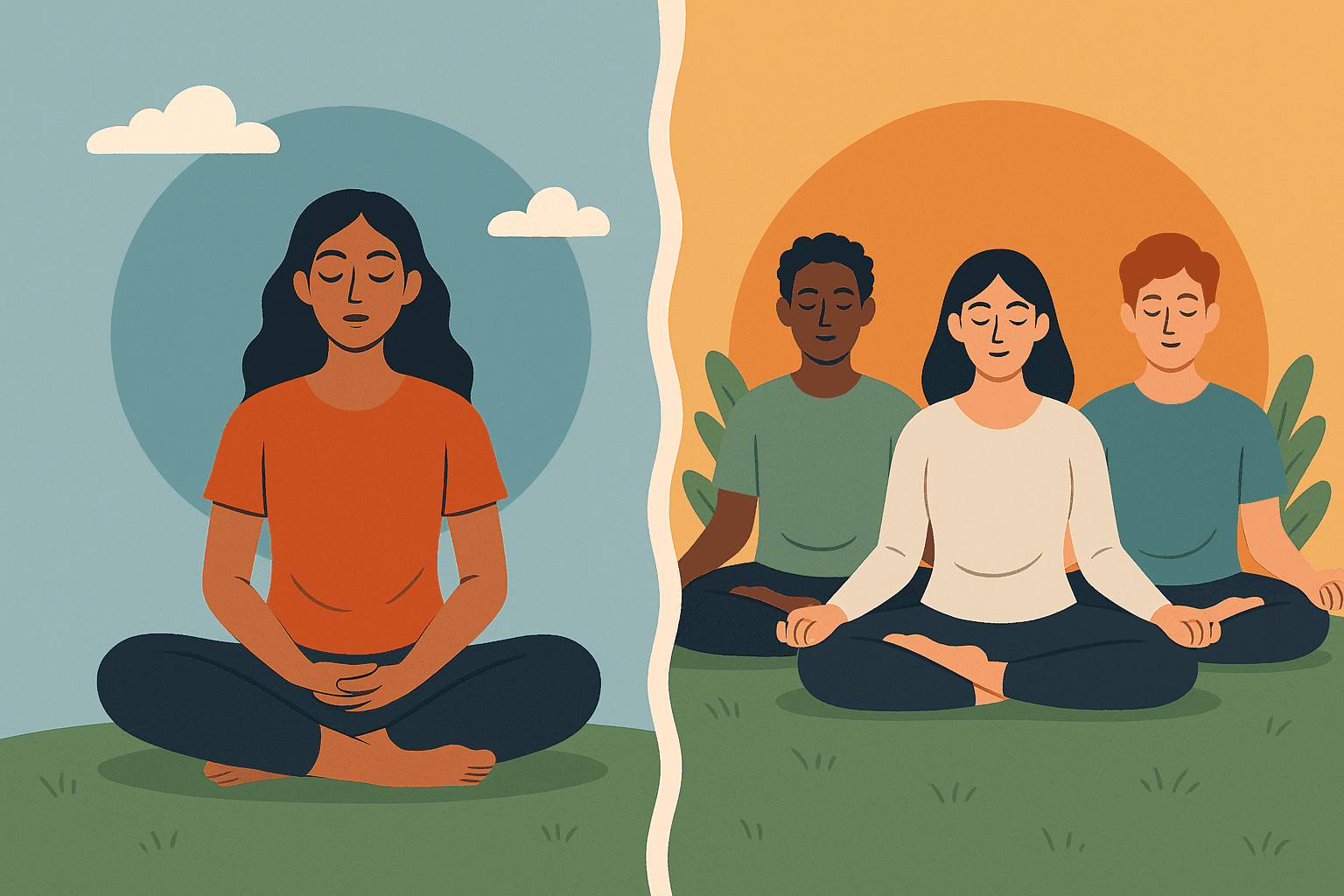
Solo retreats offer full flexibility, quiet, and deep self-reflection. They are ideal for experienced practitioners or those seeking solitude.
-
Group retreats provide structure, shared energy, and guided support. They are better for beginners or people who enjoy community settings.
-
Choose based on your goals, personality, and comfort level with social interaction.
-
Solo formats require self-discipline and can feel isolating, while group ones may involve social pressure or comparison.
-
Consider time, budget, and readiness. Solo suits independent journeys, while group works best for collective growth.
Introduction
You’ve been feeling overwhelmed lately, scrolling through retreat options wondering whether you need solitude to reconnect with yourself or the energy of a supportive community to guide your healing journey. Sound familiar? The choice between solo and group mindfulness retreats isn’t just about preference it’s about finding the format that will truly serve your current needs and personal growth goals.
Whether you’re an introvert craving silence or someone who thrives on shared experiences, this comprehensive guide will help you navigate the decision between solo vs group mindfulness retreats, ensuring you choose the path that leads to genuine transformation.
Read More: How to Plan the Perfect Mindfulness Retreat for your Guests
What Are Solo and Group Mindfulness Retreats?
Before diving into which retreat format suits you best, it’s essential to understand what each type actually entails. The distinction goes beyond just the number of participants—it fundamentally shapes your entire retreat experience.
Defining Solo Mindfulness Retreats
Solo mindfulness retreats put you in the driver’s seat of your spiritual journey. These retreats center around self-guided practice and personal schedule, allowing you to wake, meditate, and rest according to your body’s natural rhythms. Many solo retreats offer one-on-one guidance options, where you can work directly with a meditation teacher or wellness coach who tailors their instruction to your specific needs.
The hallmark of solo retreats is complete flexibility in activities and timing. Want to spend an entire afternoon in walking meditation? Go ahead. Feel called to journal for hours instead of attending a scheduled yoga class? That’s your choice. This format respects your intuition as the primary guide for your practice.
Understanding Group Mindfulness Retreats
Group mindfulness retreats operate on a different philosophy—one that recognizes the power of collective energy and shared intention. These retreats feature structured programs with shared activities, from morning meditation sessions to evening dharma talks. You’ll follow a predetermined schedule designed by experienced facilitators who understand how to build momentum throughout the retreat experience.
The community-based learning environment becomes a teacher in itself. You’ll witness others’ breakthroughs, share in their challenges, and discover that your struggles aren’t unique. Facilitated group sessions and workshops create containers for deep exploration while providing the safety net of professional guidance and peer support.
Key Benefits of Solo Mindfulness Retreats
Deep Personal Introspection Without Distractions
When you’re alone with your thoughts, there’s nowhere to hide. Solo retreats eliminate the social distractions that often pull us away from uncomfortable but necessary inner work. Without the need to make small talk at meals or navigate group dynamics, you can dive deeply into your consciousness, exploring thoughts and emotions that might remain hidden in social settings.
This uninterrupted introspection often leads to profound insights about your life patterns, relationships, and purpose. The silence becomes a mirror, reflecting aspects of yourself that daily life keeps obscured.
Complete Schedule Flexibility
Your body has its own wisdom about when it needs rest, movement, or stillness. Solo retreats honor this biological intelligence by allowing you to create a schedule that flows with your natural energy patterns. Early riser? Begin your practice at dawn. Night owl? Meditate under the stars.
This flexibility extends to practice duration too. If a particular meditation technique resonates deeply, you can extend that session without worrying about keeping others waiting. Conversely, if you’re struggling with sitting meditation, you’re free to switch to walking meditation or gentle yoga without disrupting anyone else’s practice.
Customized Practice Based on Your Needs
Every person arrives at a retreat with unique challenges and goals. Solo retreats allow you to design a practice that directly addresses your specific needs. Dealing with grief? You can focus entirely on heart-opening practices. Seeking clarity on a major decision? Dedicate your time to insight meditation.
This customization extends to the pace of your practice as well. You can spend days building foundational skills or jump straight into advanced techniques if you’re ready. There’s no need to slow down for beginners or struggle to keep up with more experienced practitioners.
No Social Pressure or Comparisons
The comparison trap is real, even in mindfulness settings. In solo retreats, you’re freed from wondering if you’re meditating “correctly” compared to others or feeling self-conscious about your emotional releases. Your journey unfolds without the subtle pressure to perform or conform to group norms.
This absence of social pressure can be particularly liberating for those processing trauma or deep emotional pain. You can cry, laugh, or sit in complete stillness without worrying about how others perceive your process.
Advantages of Group Mindfulness Retreats
Built-in Support System and Accountability
There’s something powerful about showing up to a 6 AM meditation knowing that others are counting on your presence. Group retreats create natural accountability that can push you through resistance moments when you might otherwise give up. When motivation wanes, the group energy carries you forward.
This support system extends beyond just showing up. Fellow participants become witnesses to your journey, offering encouragement during difficult moments and celebrating your breakthroughs. Many people form lasting friendships during group retreats, creating a network of mindfulness practitioners who continue supporting each other long after the retreat ends. If you’re interested in finding your travel community for wellness journeys, explore these top travel groups that specialize in transformative experiences.
Learning from Diverse Perspectives
Every participant brings their unique life experience and wisdom to a group retreat. During sharing circles or discussion groups, you’ll hear perspectives that challenge your assumptions and expand your understanding of mindfulness practice. Someone’s breakthrough might provide the key to unlocking your own stuck patterns.
This diversity of experience is particularly valuable for working through universal human challenges. Hearing how others navigate anxiety, relationships, or life transitions provides a rich tapestry of strategies and insights you might never discover in isolation.
Structured Guidance from Experienced Teachers
Group retreats typically feature seasoned meditation teachers who’ve guided hundreds or thousands of students through the practice. Their expertise helps you avoid common pitfalls and accelerates your learning curve. They can spot when you’re forcing rather than allowing, pushing too hard or not engaging enough.
The structured teaching format also ensures comprehensive coverage of mindfulness techniques. You’ll learn proper posture, breathing techniques, and various meditation styles in a systematic way that builds upon itself throughout the retreat.
Cost-Effective Through Shared Resources
From a practical standpoint, group retreats often provide more value for your investment. The cost of facilities, teachers, and meals is distributed among all participants, making high-quality instruction and beautiful retreat settings more accessible. You might find yourself practicing in stunning locations with renowned teachers that would be prohibitively expensive in a solo format.
Many group retreats also include additional resources like workbooks, guided meditation recordings, and ongoing online support communities—extras that might cost significantly more if purchased individually.
Who Should Choose Solo Retreats? (Personality Types and Goals)
Introverts and Highly Sensitive People
If social interaction drains your energy rather than replenishing it, a solo retreat might be your path to restoration. Introverts often find that the constant presence of others, even in silence, creates a subtle stress that prevents deep relaxation. Solo retreats provide the solitude necessary for true rejuvenation.
Highly sensitive people (HSPs) may find group retreat environments overwhelming. The emotions, energy, and even physical presence of multiple people can create sensory overload that interferes with mindfulness practice. In solo settings, HSPs can control their environment completely, adjusting lighting, temperature, and stimulation levels to support their nervous system.
Advanced Practitioners Seeking Deeper Practice
If you’ve maintained a consistent meditation practice for years, you might be ready to explore advanced techniques that require extended periods of uninterrupted practice. Solo retreats allow you to engage in lengthy meditation sessions, multi-day fasts, or intensive contemplative practices without accommodating beginners’ needs.
Advanced practitioners often benefit from the freedom to experiment with different techniques, combining practices from various traditions or developing their unique approach. This experimentation requires the flexibility that solo retreats provide.
Those Processing Personal Challenges
Grief, divorce, career transitions, or health crises often require private space for processing. Solo retreats offer the confidentiality and emotional freedom to work through intense feelings without the added complexity of group dynamics. You can structure your entire retreat around healing specific wounds or finding clarity on personal decisions.
The absence of social obligations means you can fully surrender to your emotional process, whether that involves days of tears, angry journaling, or profound stillness. This complete freedom to feel can be essential for moving through major life transitions.
People with Specific Health or Dietary Needs
Managing complex health conditions or strict dietary requirements becomes simpler in solo retreat settings. You control every aspect of your environment, from meal preparation to practice modifications. There’s no need to explain your needs repeatedly or worry about cross-contamination in shared kitchen spaces.
Those recovering from illness or managing chronic conditions can pace their practice according to their daily energy levels without feeling pressured to keep up with group activities. This self-pacing can be crucial for building sustainable wellness practices.
Who Thrives in Group Retreat Settings?
Beginners to Mindfulness Practice
If you’re new to meditation and mindfulness, group retreats provide the structure and support essential for building a strong foundation. You’ll learn proper techniques from the start, avoiding the development of habits that might hinder your progress later. The group format also normalizes the challenges beginners face—restlessness, doubt, and physical discomfort—showing you that these experiences are part of the journey.
Beginners benefit enormously from observing more experienced practitioners. Seeing others sit peacefully through long meditations or navigate emotional releases with grace provides inspiration and practical models for your own practice. For those just starting their wellness journey, understanding how to plan a wellness retreat can help you appreciate the thoughtful structure behind group programs.
Social Learners and Extroverts
If you process information best through discussion and derive energy from social interaction, group retreats align with your natural learning style. The opportunities for questions, sharing, and collaborative exploration enhance your understanding and retention of mindfulness principles.
Extroverts often find that the group energy amplifies their practice, creating a positive feedback loop of motivation and engagement. The social aspects of group retreats—mindful meals together, walking meditations in pairs, or small group discussions—provide the interpersonal connection that fuels your spiritual growth.
Those Seeking Community and Connection
Loneliness and isolation are modern epidemics that mindfulness alone cannot cure. Group retreats offer genuine human connection with people who share your values and interests. The bonds formed during intensive retreat experiences often run deeper than everyday friendships because they’re forged through shared vulnerability and growth.
For those who feel isolated in their spiritual journey, finding “your people” at a group retreat can be life-changing. You discover that others share your questions, struggles, and aspirations, creating a sense of belonging that extends far beyond the retreat itself.
People Looking for Structure and Accountability
If you struggle with self-discipline or tend to abandon practices when they become challenging, group retreats provide the external structure needed to push through resistance. The schedule removes decision fatigue—you simply show up and follow the program.
This structure is particularly helpful for those with busy minds who might otherwise spend solo retreat time planning, analyzing, or avoiding the present moment. The group format keeps you engaged and present, preventing the escape routes that solitary practice might allow.
Cost Comparison: Solo vs Group Retreat Budgeting
Breaking Down Solo Retreat Expenses
Solo retreat costs can vary dramatically depending on your choices. Understanding the components helps you budget realistically:
Accommodation costs form the largest expense for most solo retreats. Options range from:
• Camping or basic cabins: $20-50 per night
• Retreat center private rooms: $75-200 per night
• Luxury wellness resorts: $300-1000+ per night
Private instruction fees add significant cost but provide personalized guidance:
• Individual meditation sessions: $75-200 per hour
• Daily check-ins with a teacher: $50-100 per session
• Intensive one-on-one retreat guidance: $500-2000 per day
Transportation considerations often overlooked in budgeting:
• Remote location travel costs
• Airport transfers or car rentals
• Local transportation for supplies or activities
Understanding Group Retreat Pricing
Group retreats typically offer more predictable, all-inclusive pricing:
All-inclusive packages simplify budgeting:
• Basic group retreats: $500-1500 for 3-5 days
• Mid-range programs: $1500-3500 for a week
• Premium retreats with renowned teachers: $3500-10,000+
Shared accommodation savings reduce per-person costs:
• Dormitory-style rooms: 50-70% less than private rooms
• Shared doubles: 25-40% savings
• Group meal preparation: 30-50% less than individual dining
Group discounts and early bird rates provide additional savings:
• Early registration: 10-25% off
• Returning participant discounts: 5-15% off
• Bringing a friend incentives: 10-20% off for both
How to Prepare for Your Chosen Retreat Format
Solo Retreat Preparation Checklist
Creating your practice schedule requires thoughtful planning:
• Map out daily meditation sessions, including duration and technique
• Build in flexibility for spontaneous practice
• Balance sitting meditation with movement and rest
• Plan meal times that support your practice
• Include time for integration and journaling
Gathering resources and materials ensures you’re self-sufficient:
• Meditation timer or app with interval bells
• Guided meditation recordings for variety
• Books or teachings for inspiration
• Journal and writing materials
• Comfortable meditation cushion or bench
• Weather-appropriate clothing for outdoor practice
Setting boundaries and expectations protects your retreat space:
• Inform family and friends about your communication limits
• Set up email auto-responders
• Prepare for potential loneliness or boredom
• Create contingency plans for emergencies
• Define your retreat goals without rigid attachment
Group Retreat Preparation Tips
Understanding group dynamics helps you navigate social aspects:
• Prepare for different personality types and energy levels
• Practice patience with others’ learning paces
• Set intentions for healthy boundaries
• Cultivate openness to unexpected connections
• Remember that everyone’s journey is valid
Packing for shared spaces requires consideration:
• Bring quiet alarm clocks (no phone alarms)
• Pack modest, comfortable clothing
• Include personal items that won’t disturb others
• Bring earplugs and eye masks for sensitive sleepers
• Consider roommate preferences when packing toiletries
Mental preparation for social interaction eases the transition:
• Practice active listening skills
• Prepare to share appropriately in group settings
• Cultivate compassion for others’ struggles
• Set realistic expectations for social energy
• Plan for integration time between group activities
Common Challenges and How to Navigate Them
Solo Retreat Challenges
Maintaining motivation without external structure tests your commitment. When the initial excitement fades and you’re facing another day of silent practice, doubt creeps in. Combat this by creating small milestones throughout your day. Celebrate completing each meditation session. Write brief notes about insights or experiences. Remember that motivation naturally ebbs and flows—consistency matters more than constant enthusiasm.
Dealing with isolation or loneliness can trigger unexpected emotions. The silence might amplify feelings of disconnection or abandonment. Prepare by bringing photos of loved ones or writing yourself encouraging letters to open during difficult moments. Remember that loneliness often precedes breakthrough moments of self-connection. If isolation becomes overwhelming, consider scheduling a brief check-in call with a trusted friend or teacher.
Creating your own accountability requires discipline. Without others watching, it’s tempting to skip sessions or cut corners. Build accountability by keeping a practice log, setting phone reminders, or arranging remote check-ins with a meditation buddy. Treat your practice schedule as sacred appointments with yourself. Remember why you chose this solo journey and let your deeper purpose guide you through resistance.
Group Retreat Challenges
Managing different personalities and energy levels tests your equanimity. You might find yourself irritated by someone’s snoring, triggered by another’s emotional processing, or drained by an overly talkative participant. Use these irritations as practice opportunities. Notice your judgments without acting on them. Practice loving-kindness meditation directed toward challenging individuals. Remember that everyone, including you, is doing their best with their current level of awareness.
Maintaining personal boundaries becomes crucial in close quarters. You might feel pressured to share more than feels comfortable or participate in activities that don’t serve you. Practice saying “no” gracefully. Take solo walks when you need space. Skip optional activities if you’re overwhelmed. Your retreat experience is still yours to shape, even within a group structure.
Dealing with comparison or competition can derail your practice. Watching others sit perfectly still while you fidget, or hearing about their profound insights while you feel stuck, triggers inadequacy. Remember that external appearances rarely reflect internal experience. That perfectly still meditator might be battling intense mental chaos. Focus on your own journey. Celebrate others’ successes without making them mean anything about your worth.
Making Your Final Decision: A Step-by-Step Guide
Assess Your Current Life Situation
Take an honest inventory of where you are right now. Are you emerging from a period of isolation and craving connection? Or are you overwhelmed by social obligations and desperately need solitude? Consider your energy levels, emotional state, and available time. If you’re in crisis, the structure of a group retreat might provide needed support. If you’re seeking specific answers, solo practice might offer clearer insights.
Define Your Retreat Goals
Get specific about what you hope to achieve. Are you looking to establish a meditation practice, heal from trauma, make a major life decision, or simply rest? Solo retreats excel for deep personal work, specific healing goals, and developing self-reliance. Group retreats shine for learning new techniques, finding community, and gaining multiple perspectives on universal challenges. For wellness professionals considering hosting their own retreats, learning how to host a wellness retreat that sells out can transform your practice into a thriving business.
Consider Your Learning Style
Reflect on how you best absorb and integrate new information. Do you need to talk things through to understand them? Do you process better through writing or silent contemplation? Visual learners might benefit from group demonstrations. Kinesthetic learners might prefer the freedom to explore movement in solo practice. Auditory learners could thrive with group discussions or solo practices with recorded guidance.
Evaluate Your Budget and Time Constraints
Be realistic about your resources. Group retreats often provide better value for comprehensive instruction and amenities. Solo retreats offer more flexibility for shorter or extended stays. Consider hidden costs like transportation, additional meals, and required materials. Factor in the time needed for travel and post-retreat integration. Sometimes a well-supported three-day group retreat serves you better than a poorly planned week-long solo journey.
Ready to experience the transformative power of group mindfulness retreats? Explore SquadTrip’s curated collection of wellness retreats designed for meaningful connections and personal growth. Whether you’re seeking your first mindfulness experience or looking to deepen your practice with like-minded travelers, find your perfect retreat match today. Sign up to SquadTrip’s Free account.
FAQs
1. Can I switch between solo and group formats during a retreat?
Some retreat centers offer hybrid options where you can participate in group activities while maintaining solo practice time. Check with specific venues about flexibility in their programs.
2. How long should my first mindfulness retreat be?
Beginners typically benefit from 3-5 day retreats, whether solo or group. This provides enough time to settle into practice without overwhelming yourself with extended silence or social interaction.
3. Are online group retreats as effective as in-person ones?
Online group retreats can be highly effective, offering community connection with the convenience of home practice. They work especially well for those with travel limitations or who prefer familiar surroundings.
4. What if I’m an introvert but want the structure of a group retreat?
Look for small group retreats (under 10 people) or those that incorporate significant solo practice time. Many retreats also offer single room accommodations for personal space.
5. How do I know if I’m ready for a silent solo retreat?
Consider starting with a guided solo retreat or shorter silent periods. If you have an established daily practice of at least 20-30 minutes and feel comfortable with extended quiet time, you may be ready for a silent solo experience.