TL;DR:
- Your tour guide website is your storefront and without one, travelers move on.
- Include must-have pages: Home, Tours, About, FAQs, Contact, Reviews.
- Focus on mobile design, speed, and clear booking calls-to-action.
- Highlight yourself as a local tour guide to connect with travelers seeking authentic experiences.
- Showcase hidden gems and unique culture to make each trip stand out.
- Use reviews, testimonials, and guarantees to build trust and increase bookings.
- Skip tech overwhelm by using SquadTrip’s booking-ready templates.
Introduction
Your tour guide website is your storefront. Having a modern website should be the cornerstone of your tour marketing efforts. If you’re a guide or small tour operator, not having one is like leaving your shop empty with the lights off.
Guests expect to find you online, and if they don’t, they’ll move on to someone they can trust. In this guide, we’ll walk through the essentials of building a tour guide website that actually drives bookings, step by step.
Read More: How to Be a Great Tour Guide
Why Your Website Matters
Part of being a great tour guide is being visible, available, and helpful, before your would-be guests even book with you.
A well-built tour guide website does more than just showcase your trips. It builds trust, drives conversions, and gives you control over your brand. Without it, you rely too heavily on third-party platforms and miss out on direct guest relationships.
Local Guide
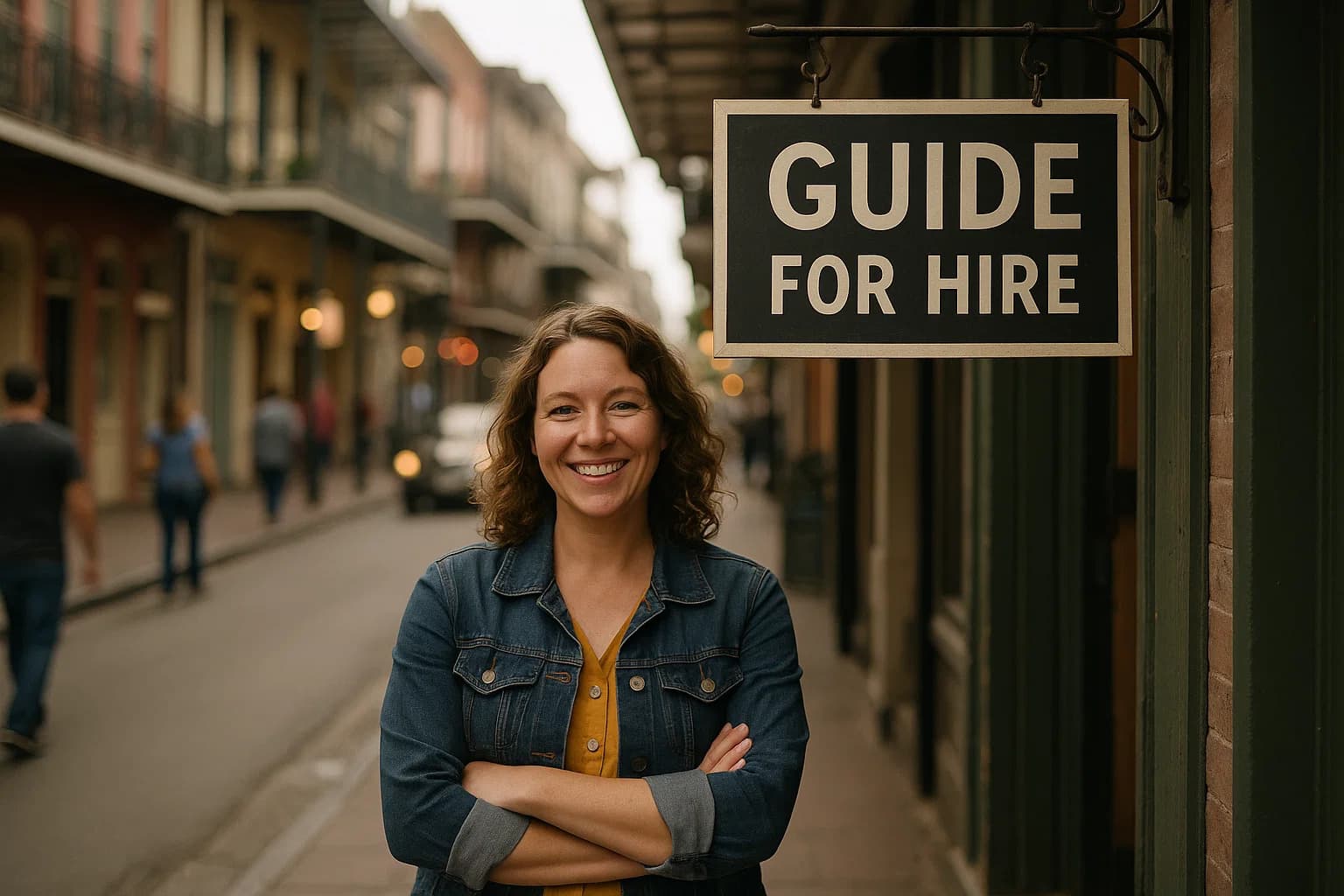
A great tour guide website gives you the chance to highlight yourself as a trusted local guide who knows the city better than any brochure. When travelers search for their next trip, they’re not just looking for logistics, they want someone who can bring destinations to life with personal stories and cultural insights.
A quick tip for local guides: make sure your brand fuels your tour packages, they should feel like an extension of your expertise and brand story.
A Website That Promotes Local Tour Guides
A local tour guide in London can focus on creating tours that go beyond Big Ben and Buckingham Palace. Guests might spend a morning exploring lively food markets in the East End, hearing about the history of Victorian-era neighborhoods, and learning how modern locals keep traditions alive.
This type of tailored journey helps travellers connect with the region in a way that feels authentic and memorable.
Showcasing your services as a knowledgeable guide helps you stand out from large agencies, offering guests the freedom to explore at their own pace with someone who truly understands the culture and life of the city.
Trust, Conversion, Brand Control
Travelers are cautious with their money. A polished website signals professionalism and reassures them they’re booking with a credible guide. Beyond that, your site helps you convert visitors into paying guests and ensures your brand shines.
Core Pages You Need
Every successful website for tour guides has a clear set of core pages. These make it easy for visitors to learn, trust, and book with you.
Home Page
Your home page should grab attention fast. Use a strong headline, a brief value proposition, and a clear call-to-action like “View Tours” or “Book Now.”
Tours Page
This is your money-maker. Each tour should have its own dedicated page with photos, itinerary, pricing, inclusions, and a booking button. Organize tours by category so guests can quickly find what fits.
About Page
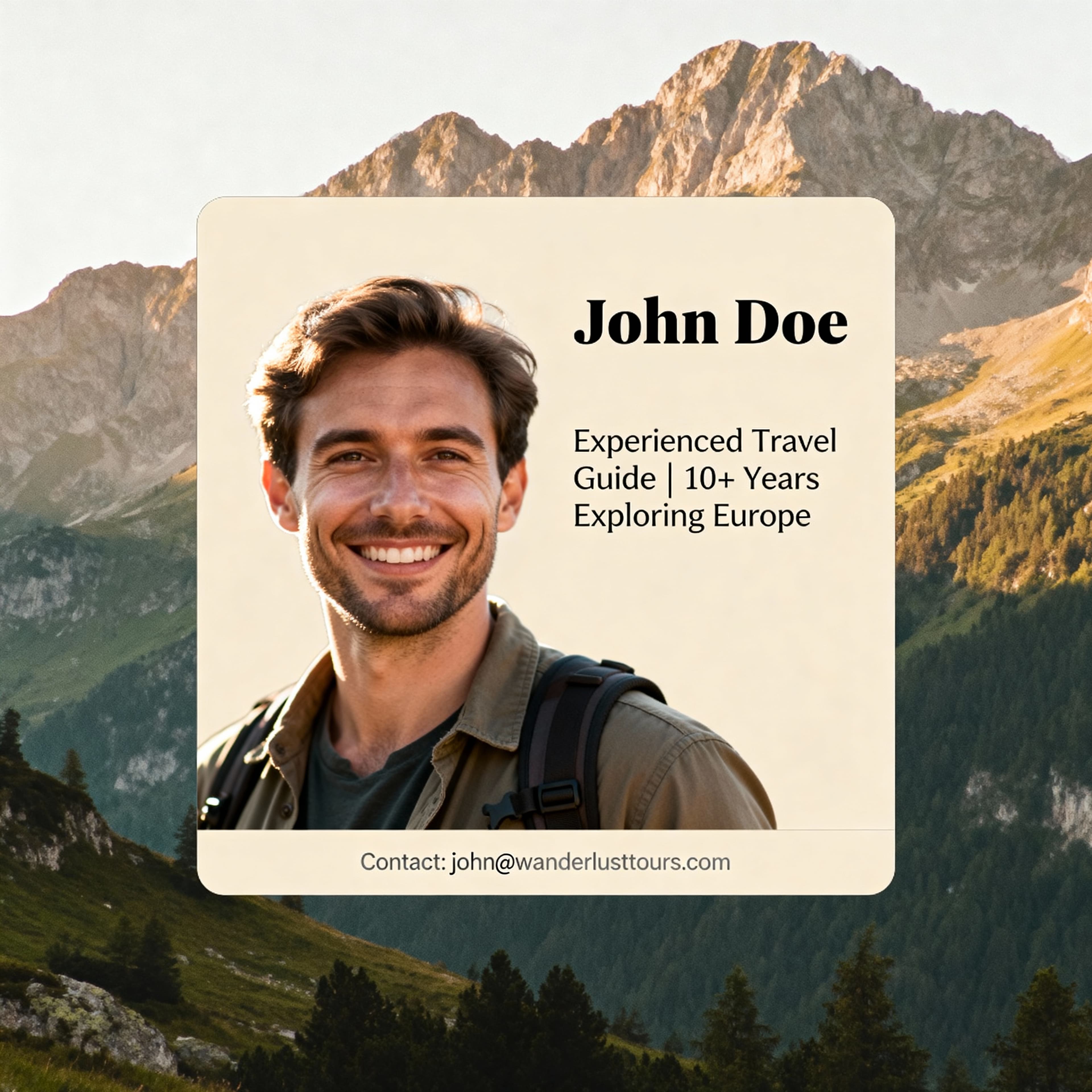
Travelers want to know who you are. Share your story, your passion for guiding, and why you’re uniquely qualified. Add a friendly photo to make it personal.
FAQs Page
Guests often hesitate because of unanswered questions. Cover topics like cancellation policies, payment terms, or group size limits. Anticipating concerns reduces friction.
Contact Page
Make it easy to reach you. Include a form, email, and phone number. Add your social links if you’re active there.
Reviews Page
Testimonials and reviews build credibility fast. Feature quotes, photos, or even video reviews from past travelers.
Design and UX Essentials
A tour company website design should focus on clarity, speed, and mobile usability. Guests won’t tolerate clunky sites when researching their dream trip.
Mobile-First
Most travelers browse on their phones. Make sure your site design is mobile-friendly, with big buttons and readable text.
Speed
A slow site means lost bookings. Use tools like Google PageSpeed Insights to test and improve load times.
Clear Calls-to-Action
Don’t hide your booking button. Place it at the top, bottom, and within your tour pages. Each page should guide visitors toward action.
DIY vs. Platforms
When building your site, you can DIY with general platforms or use tools designed for tour businesses.
WordPress and Wix
Platforms like WordPress and Wix give you flexibility but require plugins, integrations, and ongoing maintenance. They’re best for guides comfortable with tech or willing to hire help.
SquadTrip
SquadTrip removes the complexity. With booking website templates designed for tours and retreats, you can build a booking-ready site in hours. No coding needed, no chasing payments, and no piecing together multiple tools.
SEO Basics for Guide Sites
Search engines are how many guests will find you. Even the best tour guide websites won’t work if they’re invisible on Google.
Keywords
Use the primary keyword “tour guide website” in your title, intro, and a couple of subheadings. Add variations like “website for tour guides” naturally throughout your content.
Alt Text
Every image should have descriptive alt text, both for accessibility and for SEO.
Internal Linking
Link to other helpful resources, like how to start a tour business, your tour guide company’s step-by-step guide, or how to create tour ads.
Conversion Boosters
Even a clean website won’t book tours unless you give visitors a reason to act now.
Hidden Gems for Your Next Destination
One of the best ways to create excitement on your website is by featuring hidden gems that guests might not discover on their own. This works especially well when you tie these discoveries to famous destinations. In Paris, for instance, beyond the Eiffel Tower and Louvre, a guide can take travellers into tucked-away courtyards, secret bookshops, or family-run bistros with menus that locals swear by.
France Tour Tips for Foreign and Local Guides
In France, a tour tip is to offer a closer look into lesser-known wine villages where traditions still shape everyday life. By including these details on your booking page, you give guests a taste of the joy and culture they’ll encounter when they visit.
The Power of “Hidden” Gems and Secrets
Hidden gems not only make your tours fantastic experiences but also encourage glowing reviews from travellers who feel like they gained exclusive access. This approach shows that you know how to focus on your guests’ interests and help them discover a side of the world they wouldn’t see on their own.
Photos
Invest in professional photos. Guests book with their eyes first, and vivid images sell experiences better than text alone.
Testimonials
Highlight testimonials prominently. A simple quote like “The best guide we’ve ever had” can push someone over the line.
Scarcity
Show limited spots or dates. Phrases like “Only 3 spots left for May” add urgency.
Guarantees
Offer risk-reducing guarantees like flexible cancellation policies or satisfaction promises.
SquadTrip Final Thoughts
Your website isn’t just a digital brochure. It’s your most powerful booking tool. By building the right structure, focusing on design, and adding conversion elements, you can turn casual browsers into paying guests. And if you’d rather skip the tech overwhelm, SquadTrip makes it easy to create a booking-ready site in no time.
Skip tech headaches, try SquadTrip free.
Frequently Asked Questions
Q1. What pages are absolutely necessary for a tour guide website?
At minimum, include: Home, Tours, About, FAQs, Contact, and Reviews. These pages cover who you are, what you offer, and how guests can book. Skipping any of them usually leaves gaps in credibility or clarity.
Q2. Why do I even need my own website if I already use TripAdvisor, Airbnb, or Viator?
Because those platforms take a cut and control how you appear. Your website gives you freedom you own your traffic, your branding, and your guest list.
Q3. What makes a tour guide website trustworthy?
Consistency. Matching branding, clear pricing, visible contact info, and reviews from real guests. Also, fast-loading pages people associate slow websites with unreliable businesses.
Q4. What’s the easiest way to collect guest inquiries?
Add a simple contact form and connect it to your email or WhatsApp. Don’t make visitors hunt for your info include “Contact” links in your header and footer.
Q5. What should I write on my tour descriptions to get more bookings?
Focus on the experience, not just logistics. Instead of “2-hour city tour,” say “Discover old markets, hidden courtyards, and street food locals swear by.” Paint a picture that sells the feeling.