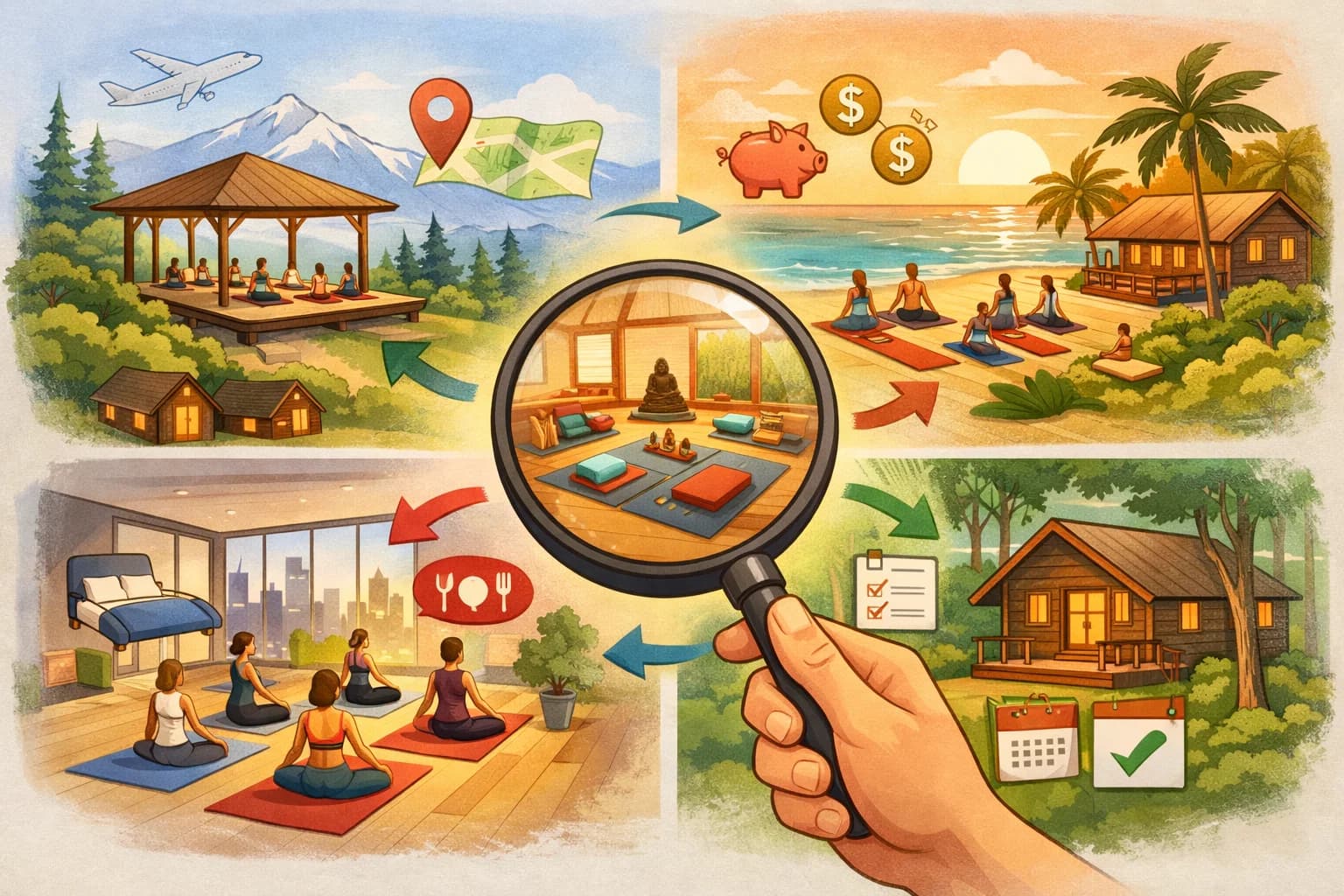
Organizing your first yoga retreat but don’t know where to start? Many might advise you to offer a market-competitive plan with yoga sessions, wellness workshops, and other fun activities to attract a targeted audience.
But the tricky part is: how do you market your yoga retreat and make it stand out from other yoga planners?
For this, you need an all-in-one solution where people can just book, pay, and be on their way to the wellness journey. SquadTrip is one such platform that offers easy-to-use navigation, allowing you to plan detailed itineraries and manage payments, and you can market your retreats too!
Here’s a list of well-thought strategies derived from user experiences and reviews that can help you promote your first-ever yoga retreat and how you can use Squadtrip as your dashboard to implement them effectively:
5 Proven Effective Strategies Every Yoga Retreat Should Use
Over 20,000 yoga retreats are happening worldwide, with Europe being the most popular destination. Among them, only a few stand out due to their well-made marketing plans and tools used for tracking their progress.
Whether you’re planning a serene mountain retreat or a series of yoga sessions by the waterfall, here are 5 strategies highly practiced for yoga retreat marketing:
Strategy 1: Pick a Retreat Planning Platform – SquadTrip
SquadTrip is your go-to platform for organizing a perfect retreat planning for organizers. You can use its many features such as itinerary management, booking pages, payment processes, reporting dashboard, etc. to ensure your trip is well-structured and easy to navigate through.
When you pick a planning platform, it makes the rest of the strategies easier to stand out from other wellness and yoga retreat planners.
Strategy 2: Define Your Target Audience
You can look at existing surveys or conduct your own survey to understand the market needs. This helps in setting your intentions such as the purpose of your retreat or what clients can achieve from the retreat. It can also include choosing the ideal serene location, creating extra stops, or organizing meal preps with vendors.
Another way, a quicker way, to do it, is to use SquadTrip’s itinerary management where you can track the preferences of certain groups and customize your plan accordingly within the same retreat, this can become your unique selling point.
Strategy 3: Promote on Social Media with Visual Storytelling
Almost everyone is scrolling through social media to find new activities in trend. In the last 3 years (post-COVID19), yoga retreats have increased drastically and digital platforms are a common marketplace to draw target customers to your retreat groups.
You can share captivating videos or testimonials as reels on Instagram to attract clients. Use hashtags to increase discoverability, specifically in your area. The ad feature also allows yoga retreat organizers to attract people from certain demographics or locations. These days, retreat marketing is a widely used strategy among yoga businesses
Strategy 4: Referrals through Word-of-Mouth and Affiliates
Most yoga businesses grow in popularity through word of mouth. What if you had a platform that allows your clients to just share a link that invites their friends and families to join your yoga retreats? That’s smart marketing in action!
With SquadTrip, your clients can receive unique referral links to share with their network, encouraging others to join your retreats. As a result, your retreats gain visibility and attract new participants. You can also track these referrals.
Another marketing strategy is to leverage affiliate programs to market your yoga retreat. You can invite affiliates such as partners, ambassadors, influencers, or fellow wellness enthusiasts to promote your retreats. SquadTrip enables you to track their sales and measure their impact directly from your dashboard.
Strategy 5: Host a Live Session with Q&A To Promote Your Yoga Retreat
Many yoga instructors host free online live sessions to build the credibility of their yoga retreats. This is a great strategy if you’re looking to attract more clients.
You can give an informative session about yoga workshops and activities you have planned, answer questions from the live stream, and share your experiences with yoga trips to sound appealing. If you already have created a trip on SquadTrip, you can share the link to win over people’s instinct to book within minutes.
You can also partner with yoga studios to promote your trip effectively.
How to Organize a Successful Wellness Retreat with SquadTrip
1. Plan a Retreat Itinerary by Tracking Preferences
The most essential element to attract clients for a yoga retreat is the itinerary. According to our review research, many clients seek personalized attention and expect yoga instructors to understand their unique needs.
SquadTrip allows you to customize day-by-day yoga sessions, wellness workshops, and relaxation activities according to your client’s preferences. You can add visuals with attractive descriptions of each day. The add-on option lets travelers include multiple items such as meals, downtime, and extra workshops to their package plan if they want.
This flexibility of options showcases perfectly customized retreat programs that meet diverse client needs and preferences, increasing expectations and excitement among people.
2. Track Wellness Retreat Payments and Bookings
Ever wonder why certain yoga retreats become more popular? It’s the secret of automated payments and bookings. Sometimes people find the constant calls about payments and bookings from yoga retreats quite bothersome. After all, the whole idea of a wellness retreat is to make that experience seamless and smooth for travelers.
For small yoga instructors, SquadTrip streamlines payment and booking management. Clients can access itineraries, add packages to their cart, book, and pay. The platform allows an initial deposit and sets up monthly auto-billing for those who like to stay on budget. This makes yoga retreats feel less stressful and away from excessive phone use.
Furthermore, the yoga teachers don’t have to pay any extra fees. Only the travelers pay a transaction fee during payment.
3. Coordinating activities for a Wellness Retreat
Many clients expect structured group wellness activities that foster connections and a sense of community. This can only be achieved if the yoga retreat includes personalized sessions, workshops, and activities catered to the specific needs of that certain group.
Since SquadTrip focuses on personalization and customization, yoga instructors can understand what the clients want to create an atmosphere during the retreat that can help travelers connect spiritually and socially. The SMS and email notifications allow clients to stay on track with updates, making the experience more personal and worthy.
4. Analyze Your Retreats for Future Improvements
Yoga retreats require constant improvements to stay on top and keep up with rising trends based on customer behavior. SquadTrip has a reporting dashboard specifically designed for yoga retreats where you can monitor the following:
- Financial Metrics: Revenue, Expenses, Profit Margin Booking Trends: Popular sessions, ideal destinations, and participant demographic for marketing
- Feedback: Collect post-retreat feedback from travelers to improve your yoga retreat packages and plans
- Pricing & Demand: See which retreats are more popular, how prices can be improved to attract clients, and what’s on demand
Start Planning Your Next Free Yoga Retreat Today. Create your trip for free on the SquadTrip.
Read Next: